1
Home

Blog

Blog

  • Waterborne Polyurethane Dispersion Solutions for Specialty Paper Coatings
    Waterborne Polyurethane Dispersion Solutions for Specialty Paper Coatings Jun 10, 2026
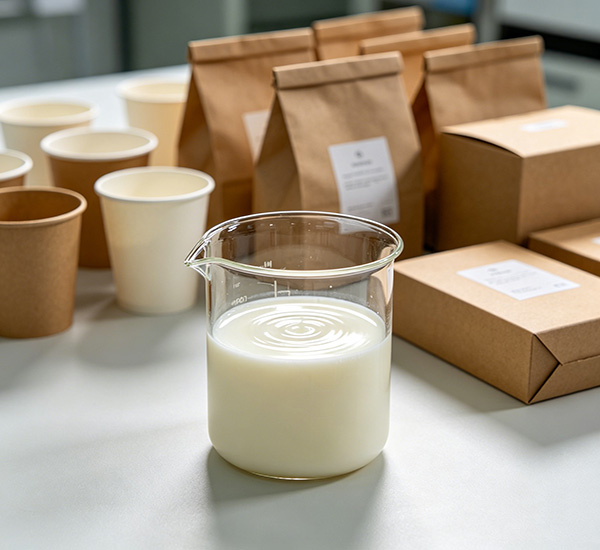
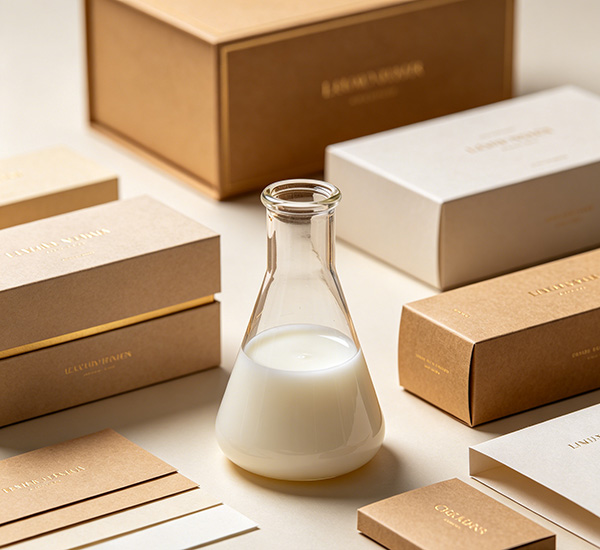
    Specialty Paper Applications Driven by Sustainability and Premium Surface Performance Specialty paper refers to paper grades engineered with specific functional or decorative properties for targeted applications. Compared with conventional paper products, specialty paper typically offers higher added value, superior aesthetics, and enhanced performance characteristics. It is widely used in luxury packaging, cosmetics packaging, electronic product packaging, wine and spirits packaging, premium labels, book covers, and decorative printing applications.As environmental regulations become increasingly stringent and global plastic reduction initiatives continue to expand, paper-based packaging is rapidly replacing traditional plastic laminates and film-coated materials. This market transition has created growing demand for advanced coating technologies capable of delivering both premium appearance and functional protection while maintaining recyclability and sustainability.To meet these evolving requirements, Runshine has developed a series of polyurethane-based coating solutions specifically designed for specialty paper applications, with Waterborne Polyurethane Dispersion U200T serving as an advanced solution for soft-touch and high-performance paper coatings. Understanding Waterborne Polyurethane Dispersion Technology Polyurethane (PU) is a polymer containing urethane linkages (-NHCOO-) within its molecular structure. It is typically synthesized through the reaction of polyisocyanates and active hydrogen-containing compounds. Due to its unique segmented molecular architecture consisting of hard segments and soft segments, polyurethane combines excellent mechanical strength with outstanding flexibility.Hard segments contribute to film strength, abrasion resistance, and durability, while soft segments provide elasticity, flexibility, and tactile comfort. As a result, polyurethane coatings are capable of delivering exceptional adhesion, abrasion resistance, water resistance, chemical resistance, low-temperature flexibility, and overall coating durability.Compared with conventional acrylic systems that may exhibit heat-induced tackiness or low-temperature brittleness, polyurethane coatings maintain balanced mechanical performance across a wide temperature range. This unique characteristic enables coated surfaces to remain soft, smooth, and durable without becoming sticky or fragile.As a premium Soft-touch Polyurethane Dispersion, Runshine U200T leverages these inherent advantages to create superior paper coating formulations with enhanced tactile performance and surface protection. Product Series 1 Soft-touch Coatings for Specialty Paper Soft-touch coatings have become one of the most popular finishing technologies in premium packaging and decorative paper markets. Consumers increasingly associate tactile experience with product quality, making surface touch an important element of brand differentiation.Runshine U200T is a solvent-free Paper Coating Polyurethane Resin specifically developed to provide a luxurious velvety feel on paper substrates. The coating delivers outstanding soft-touch characteristics while simultaneously enhancing slip performance, abrasion resistance, and anti-blocking properties.The resulting coating film provides a smooth and pleasant tactile sensation without sacrificing durability. This makes U200T particularly suitable for: Luxury packaging papers Cosmetics packaging Electronics packaging Decorative paper Book covers Premium brochures and catalogs High-end promotional materials Unlike conventional coating systems, U200T maintains its tactile properties even after repeated handling, helping premium packaging retain its high-value appearance throughout the product lifecycle. Product Series 2 Sustainable Plastic Replacement Coatings The global movement toward plastic reduction has significantly challenged traditional film lamination processes. As governments continue implementing restrictions on single-use plastics, packaging manufacturers are actively seeking environmentally responsible alternatives.Waterborne polyurethane-based plastic replacement coatings have emerged as one of the most effective solutions. These coatings enable paper substrates to achieve many of the performance benefits previously associated with laminated films, including: Enhanced abrasion resistance Improved fold-crack resistance Water resistance Surface protection Adjustable gloss levels Premium tactile properties Unlike conventional laminated structures, paper coated with waterborne polyurethane systems remains more compatible with recycling processes, supporting circular economy objectives while maintaining high packaging performance standards. Product Series 3 Sustainable Waterborne Coating Technologies Sustainability has become a key driver of innovation within the paper packaging industry. Brand owners increasingly require coating technologies that reduce environmental impact without compromising performance.Runshine's waterborne polyurethane technologies contribute to this objective by providing low-VOC, solvent-free coating solutions capable of delivering excellent surface properties and long-term durability. These advanced coatings support sustainable packaging development while helping manufacturers comply with evolving environmental regulations.As a high-performance Waterborne Soft-touch Polyurethane Resin, U200T offers an environmentally responsible approach to creating premium paper surfaces with superior tactile appeal and functional protection. Product Series 4 High-performance Paper Impregnation Coatings Paper impregnation coatings are designed to improve the internal strength and durability of paper substrates. Through the incorporation of waterborne resins, penetrants, softeners, and other functional additives, paper fibers can be reinforced to achieve improved wet strength, water resistance, flexibility, and mechanical performance.Such technologies are widely used in decorative papers, specialty packaging materials, and industrial paper applications where enhanced durability and processing performance are required.The versatility of polyurethane chemistry makes it particularly suitable for these demanding applications, providing excellent fiber bonding and long-term performance stability. Runshine U200T for Specialty Paper Coatings Runshine U200T is a solvent-free waterborne polyurethane dispersion developed for premium paper coating applications requiring outstanding tactile performance and surface durability. Key performance advantages include: Outstanding soft-touch feeling Excellent slip performance Superior abrasion resistance Reliable anti-blocking properties Excellent film-forming capability Solvent-free formulation Low VOC content Broad substrate compatibility The product can be incorporated into various paper coating formulations to create high-value packaging and printing solutions that satisfy both aesthetic and functional requirements. Applications include: Luxury packaging paper Cosmetics packaging paper Electronics packaging paper Decorative paper Specialty labels Book covers Premium printed materials High-end paper-based consumer packaging Conclusion The specialty paper market continues to evolve toward sustainable, recyclable, and high-performance packaging solutions. Waterborne polyurethane technology has become a critical enabling platform for achieving these objectives.Runshine U200T combines the advantages of advanced polyurethane chemistry with exceptional tactile performance, providing paper coating formulators with a versatile solution for premium packaging and specialty paper applications. Through its outstanding soft-touch feeling, excellent slip properties, abrasion resistance, and anti-blocking performance, U200T helps manufacturers create differentiated products that meet the growing market demand for both sustainability and consumer experience.As global packaging markets continue their transition from plastic-based materials to paper-based alternatives, Runshine remains committed to delivering innovative polyurethane solutions that support the next generation of specialty paper coatings.    
  • Advantages and Development Trend of Waterborne Polyurethane Dispersion
    Advantages and Development Trend of Waterborne Polyurethane Dispersion Jun 03, 2026
    Definition & Basic Introduction of PUD   Polyurethane Dispersion (abbreviated as PUD) is an eco-friendly polymer material featuring tiny polyurethane resin particles evenly and stably dispersed in water as the dispersion medium.   Unlike conventional solvent-borne polyurethane, PUD replaces organic solvents with water as the continuous phase, drastically cutting emissions of volatile organic compounds (VOCs). It forms a binary, thermodynamically stable colloidal system. Reliable water based polyurethane resin resources are fundamental to stable production of this waterborne material.     Core Composition and Synthesis Principle   The core principle of PUD is to chemically convert hydrophobic polyurethane into hydrophilic structures for stable dispersion in water. Key components and their functions are listed below:   Primary Raw Materials   Polyurethane prepolymers are generally synthesized via step-growth polymerization between diisocyanates (such as IPDI and HDI) and polyols (polyester or polyether polyols), a core production link for qualified polyurethane resin manufacturer.   Hydrophilization   Hydrophilic-group-containing monomers (e.g., dimethylolpropionic acid, DMPA) are incorporated during polymerization, followed by ionisation with neutralisers like triethylamine. This endows polyurethane polymer chains with self-emulsifying capacity to disperse steadily in water without extra emulsifiers.   Chain Extension   Chain extenders such as polyamines are added during or after aqueous dispersion to react with prepolymers, boosting the molecular weight of polyurethane and forming final polymer particles, a core technical focus for professional Polyurethane Dispersions supplier.     Outstanding Performance Characteristics of Waterborne Polyurethane   PUD boasts prominent comprehensive advantages over traditional counterparts, making products from a professional waterborne polyurethane supplier widely recognized across industries:   Environmental Friendliness: Water-based carrier delivers low or zero VOC emissions with non-toxic and odour-free features, complying with prevailing environmental regulations. Mechanical Performance: Retains premium inherent polyurethane properties; cured films feature outstanding flexibility, abrasion resistance, impact resistance and low-temperature elasticity. Strong Adhesion: Exhibits superior bonding performance on diverse substrates including wood, metal, leather and plastics. High Formulation Flexibility: Adjustable raw material recipes enable customisable properties ranging from ultra-soft to ultra-hard, high elasticity to high mechanical strength to meet diversified requirements.   Production Technologies and Downstream Application Scenarios   Three mainstream production processes   Acetone Process: Most mature technology yielding premium-quality products; acetone applied as auxiliary solvent needs recovery, leading to higher production costs. Prepolymer Mixing Process: Solvent-free, eco-friendly and cost-effective yet demanding stringent process control with challenges in precise molecular weight regulation. Melt Dispersion Process: Direct emulsification under high-temperature melting conditions, a mainstream route to manufacture high-solid-content waterborne polyurethane Dispersions.   Major Application Fields   Benefiting from eco-friendliness and superior performance, PUD has extensive application coverage:   Coatings & Finishes: Wood coatings, anti-rust metal paints, automotive coatings and plastic coatings. Adhesives: Environment-friendly adhesives for footwear, automotive interior parts, furniture and packaging industries. Leather & Textiles: Leather finishing agents, topcoat for artificial leather, textile printing and functional finishing to deliver soft texture and desirable physical attributes. Inks: Binder component for water-based inks used in food packaging and plastic film printing.     Industry Summary and Future Development Trend   As the core representative of waterborne polyurethane technology, PUD resolves the intrinsic water-insolubility drawback of conventional polyurethane via elaborate molecular design, achieving green production while preserving excellent material properties.   Driven by global environmental policies, upstream polyurethane resin manufacturer, downstream Polyurethane Dispersions supplier and waterborne polyurethane supplier keep upgrading formulations of water based polyurethane resin and waterborne polyurethane Dispersions. Current PUD R&D trends focus on higher solid content, lower production costs and multi-functional upgrading including bio-based formulations and self-repairing capabilities.
  • Waterborne Polyurethane Dispersion as a New Green High Performance Material Choice
    Waterborne Polyurethane Dispersion as a New Green High Performance Material Choice May 27, 2026
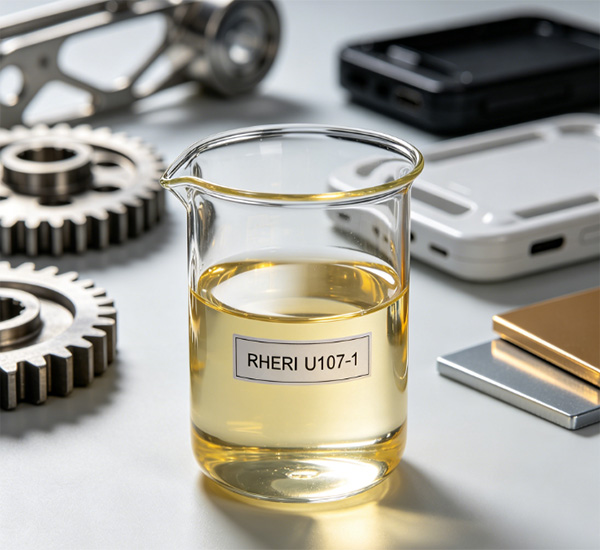
    The Growing Importance of Waterborne Polyurethane Dispersions   In recent years, driven by stricter environmental regulations and increasing demand for high performance from downstream industries, Waterborne Polyurethane Dispersions have emerged as a star material in coatings, adhesives, textiles, leather, inks, and other fields, offering both eco-friendliness and excellent properties. So, what makes PUD so special? What performance characteristics can it achieve? And in which applications can it be used? Let’s explore below. What is Waterborne Polyurethane Dispersion? A waterborne polyurethane dispersion is a polyurethane emulsion system using water as the dispersion medium. Through mechanical dispersion or self-emulsification, polyurethane prepolymers are uniformly dispersed in water to form stable polyurethane particles. Compared with traditional solvent-borne PU, its main advantages are: 1.Low VOC / solvent-free 2.Safe, environmentally friendly, low odor 3.Suitable for applications with strict environmental requirements (e.g., shoe materials, leather, water-based inks) Core Performance Characteristics of Waterborne Polyurethane Waterborne PUD can balance softness and toughness, offering high design flexibility and a remarkable set of comprehensive properties. 1.Excellent Mechanical Properties High strength and toughness, good abrasion resistance, and tunable tactile properties from soft to rigid through structural design. 2.Good Chemical & Weather Resistance Good water resistance, oil and chemical resistance, and excellent anti-yellowing properties (especially for aliphatic PUD). 3.Good Film Formation Fast drying, excellent low-temperature film formation, and compatibility with various resins (e.g., acrylics, epoxies). 4.Process-Friendly & Green Easy to handle, suitable for multiple application processes, contains no or very low organic solvents, and is increasingly used in food contact materials (subject to regulations). Typical Application Areas of Waterborne Polyurethane Dispersion Our product RHERI U107-1 exemplifies these capabilities, especially in metal and plastic protective coatings. The versatility of waterborne PUD spans from industrial to consumer goods. 1.Leather Finishing & Synthetic Leather Improves flexibility, hand feel, abrasion resistance, flex resistance, and hydrolysis resistance. Widely used in shoe upper leather, case leather, garment leather, etc. 2.Waterborne Adhesives Used for shoe adhesives, furniture adhesives, and packaging adhesives, effectively replacing traditional solvent-borne PU adhesives with low odor, high safety, and tunable heat resistance. 3.Waterborne Wood Coatings & Industrial Coatings Excellent scratch resistance, anti-yellowing properties, and transparency. Applied in furniture coatings, metal protection coatings, wheel hub coatings, etc. As a Polyurethane Dispersions, RHERI U107-1 delivers strong adhesion, high hardness, and corrosion resistance on both substrates. 4.Textile Auxiliaries & Coatings Provides water-repellent and breathable finishes, as well as scratch-resistant functional coatings. Commonly used in sportswear, outdoor gear, and functional fabrics. 5.Waterborne Inks & Overprint Varnishes High transparency and gloss, improving abrasion resistance, folding endurance, and adhesion. Used in printing packaging and electronic product surface protection. 6.PUD for Building Waterproofing (Key Focus) With rising demand for eco-friendly waterproofing materials in construction, waterborne PUD is becoming an important resin system for waterproof coatings. Advantages of waterborne PUD in building waterproofing: Excellent water resistance and hydrolysis resistance: The polyurethane chain forms a continuous dense film, effectively blocking water permeation, withstanding long-term immersion and water pressure. High elongation and flexibility: Elongation up to 300–900% (depending on formulation), accommodating substrate shrinkage, micro-cracks, and thermal cycling. Good weather resistance and aging resistance: Aliphatic systems exhibit excellent anti-yellowing, resisting chalking and cracking under outdoor exposure. Strong application adaptability: Suitable for roller, trowel, and brush application; good adhesion to concrete and cement mortar; compatible with acrylics and various waterproof additives. Eco-friendly and safe: Low VOC, low odor, suitable for indoor waterproofing (bathrooms, kitchens, balconies). 7.Special High-Growth Applications 3C product protective coatings, eco-friendly spray adhesives, waterborne PU elastomers, medical device surface coatings. Key Factors Affecting Waterborne PUD Performance To meet different application needs, PUD performance can be tuned through various structural design approaches: Soft/hard segment ratio (more soft segments give more flexibility) Type of diisocyanate (aliphatic for anti-yellowing, aromatic for higher mechanical strength) Diamine chain extender composition Presence of hydrophilic groups (e.g., DMPA) Crosslinking (self-crosslinking or external crosslinker) Precisely because of its high designability, PUD can cover so many industries. Industry Trends: Why Is PUD Becoming Increasingly Popular? Environmental regulations driving global VOC restrictions End-user brands moving toward waterborne and sustainable solutions Performance gradually catching up with or even surpassing solvent-borne PU Rapid progress in domestic PUD technology with more competitive pricing In the coming years, waterborne polyurethane will continue to penetrate more application fields. Conclusion As a Green High-Performance Material, waterborne polyurethane dispersion is in a phase of rapid development. It not only meets environmental trends but also serves as a powerful alternative to traditional solvent-borne materials, leveraging its outstanding properties. RHERI U107-1 stands as a reliable example of an Eco-friendly Resin for demanding protective coating applications.  
  • Water Based Polyurethane Dispersion For Environmental Coating
    Water Based Polyurethane Dispersion For Environmental Coating May 20, 2026
    The Eco-Core Zero-VOC Green Trait​ Traditional solvent-based polyurethane coatings and adhesives are widely criticized for their heavy use of organic solvents, including toluene (C₆H₅CH₃), xylene (C₇H₈), and ethyl acetate (CH₃COOCH₂CH₃). In contrast, water based polyurethane resin uses water (H₂O) as the continuous phase, fundamentally eliminating Volatile Organic Compound (VOC) emissions. For any Polyurethane Dispersions supplier, this eco-friendly core is non-negotiable—PUD products comply with the world’s strictest environmental regulations, such as the EU REACH Regulation and China’s "Solvent-to-Water" policy, granting end products a "green pass" that lays the foundation for successful partnerships across multiple industries.​ Core Applications & Key Advantages​ Synthetic Leather Coatings Unmatched Tactility & Eco-Friendliness​ Widely used in high-end footwear, apparel, automotive interiors, and furniture leather, waterborne polyurethane Dispersions for synthetic leather coatings stand out for their non-toxic, odorless composition—free of benzene-based solvents and eliminating residual risks of DMF and toluene. As a leading polyurethane resin manufacturer, we prioritize formulating products that meet strict safety requirements for daily-use and interior products. The versatility of polyurethane resin allows precise adjustment of soft segments (e.g., polyester polyols, polycarbonate polyols) and hard segments (reaction products of diisocyanates and chain extenders), delivering textures ranging from ultra-soft "baby-skin feel" to robust durability. Complemented by excellent physical properties like hydrolysis resistance, scratch resistance, and flex resistance, these dispersions match or even outperform solvent-based alternatives, making a reliable partner a valuable asset for synthetic leather manufacturers. ​ Industrial & Wood Coatings Balancing Performance & Sustainability​ Covering metal protection, plastic part coating, wood flooring, furniture, and construction machinery, PUD-based coatings—formulated from high-grade polyurethane resin—excel in high gloss and clarity due to pure formulations with controllable fine dispersion particle sizes. A reputable waterborne polyurethane supplier understands that the synergy between physical crosslinking sites from hard segments and flexible soft segments endows these coatings with both hardness and toughness. By optimizing formulations with hydrolysis-resistant polyols, blocked isocyanate crosslinkers, or acrylic modification, a quality manufacturer enhances chemical resistance. With self-crosslinking capabilities via ketone-hydrazide reactions and mature two-component technology (PUD-OH + HDI trimer curing agents), these coatings meet the demands of industrial anti-corrosion and premium wood finishing while complying with VOC limits.​ High-Performance Adhesives The Bonding Power of Tomorrow​ water based polyurethane resin adhesives are widely applied in footwear assembly, automotive interior bonding, composite lamination, and flexible packaging. As a dedicated Polyurethane Dispersions supplier, we tailor these adhesives to offer fast initial tack and strong final bond, tunable via molecular design, tackifying resins like terpene phenol, and particle size optimization. Their heat and creep resistance are enhanced by chemical crosslinking reactions, while their waterborne nature eliminates workplace VOC emissions— a key selling point for any responsible manufacturer. Equipped with polarity groups (-COOH, -OH, -NHCOO) that ensure excellent wetting on both porous and non-porous substrates, these adhesives are ideal for odor and VOC-sensitive sectors, making a reliable partner indispensable for brands prioritizing safety. ​ Textile Functional Coatings & Inks Tech-Enhanced & Green Expression​ In textile applications, waterborne polyurethane Dispersions create continuous, controllable microporous films (with pores vapor and >100μm for liquid water), enabling waterproof-breathable performance similar to Gore-Tex while maintaining softness and breathability. A leading supplier knows that these products easily blend with flame retardants (APP ammonium polyphosphate), antistatic agents (carbon black, quaternary ammonium salts), and water repellents, providing versatile functional solutions. Derived from high-quality polyurethane resin, these coatings are a staple for outdoor wear, protective gear, and stain-resistant textiles. The same core advantages extend to flexographic and digital inks, where these dispersions serve as a green color expression solution—reinforcing the value of a trusted polyurethane resin manufacturer in the textile industry.​ Key Competitive Advantages of PUDs​ Polyurethane Dispersions (PUD) dominate across industries due to their comprehensive strengths. For any manufacturer or supplier, these advantages are the cornerstone of success: ultimate eco-friendliness with water-based dispersion and near-zero VOC emissions; unmatched chemical versatility that allows tailoring of properties (hardness, elasticity, adhesion, etc.) by adjusting polyols, diisocyanates, and hydrophilic chain extenders; superior physical performance inheriting PU’s high strength, abrasion resistance, and flexibility; safety and health benefits by eliminating harmful solvent risks; and convenient processing with easy mixing, cleaning, and equipment compatibility. These traits make any reliable partner a critical asset for businesses pursuing sustainability without compromising performance. ​ Conclusion A Key Material for Sustainable Development​ Twenty years of progress have transformed waterborne polyurethane Dispersions — from resin prototypes to mass-produced products — into a cornerstone of industrial green transformation. As a seasoned waterborne polyurethane supplier and manufacturer, we’ve seen how PUD enhances comfort in synthetic leather, ensures safety in automotive interiors, delivers durable protection for wood surfaces, and enables smart functional textiles. High performance and environmental protection are no longer mutually exclusive—and these dispersions prove it. As global carbon reduction policies and manufacturing greening accelerate, they will solidify their position as the "Eco-Performance King" across sectors, making a trusted Polyurethane Dispersions supplier an indispensable partner for modern industry. Technology advances forward; sustainability leads the way. water based polyurethane resin and its derived products show that the path balancing both is often the most enduring.
  • What is DTF Printing? How to Choose a DTF Printer?
    What is DTF Printing? How to Choose a DTF Printer? May 13, 2026
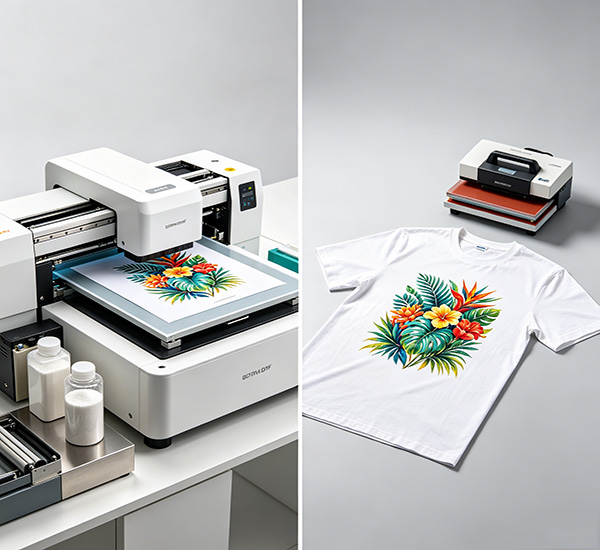
    Introduction A DTF (Direct-to-Film) printer is a type of digital garment printing machine, widely used in heat transfer printing, and best known for one of its most popular applications: T-shirt heat transfer printing. The garment printing market continues to see strong growth, and DTF printing has become one of the primary production methods in this industry. However, the final print quality and transfer reliability are not determined by the printer alone; they also depend heavily on the performance of the cationic ink absorption coating applied to the transfer film. A high-quality cationic ink absorption coating—such as a water-peelable formulation with excellent ink anchoring and defect-free surface properties—ensures vibrant colors, sharp edges, and clean film release after lamination. Therefore, choosing a truly suitable DTF printer together with a compatible cationic ink absorption coating is a critical factor for the success of your printing business, and is arguably the most important part of investing in a printing operation or running a garment customization shop. Main Applications DTF printing is widely used for printing and producing a variety of products. Below are its primary application areas and suitable products: 1. Garment Printing T-shirts, hoodies, sweatshirts, jeans, sportswear, socks, gloves, dresses, bikinis, garment inner labels 2. Accessory Customization Hats (baseball caps, beanies, etc.), backpacks, handbags, waist bags, aprons, safety vests 3. Home Decor Pillows, throw pillows, canvas bags, curtains, rugs       Advantages Broad Material Compatibility: Suitable for a wide range of fabrics, including cotton, polyester, nylon, silk, and more. High Color Vibrancy: Delivers bright and vivid colors, even on dark fabrics. Eco-friendly: The inks and processes used meet environmental standards. Simple Operation: No complex plate-making is required, making it ideal for small-batch and personalized production. What is a DTF (Direct-to-Film) Printer? DTF gets its name from "Direct-to-Film" – a process where designs are printed directly onto a PET film, a key substrate in PET digital Printing. To achieve optimal ink fixation and image sharpness, the PET film is typically pre-coated with a cationic ink absorption coating, which instantly immobilizes the anionic pigment ink droplets upon contact, preventing bleeding and ensuring vivid color reproduction. Afterwards, hot-melt adhesive powder is evenly applied over the still-wet printed pattern, melted, and dried. The finished PET film is then trimmed, and the design is heat-pressed onto various garments to complete the garment printing process. Why emphasize this method? Since around 2021, DTF printing has steadily gained market share in the garment printing industry and is now one of the mainstream methods. According to Google Trends, the search volume for "DTF Printer" has been climbing since 2021. A major reason for the popularity of DTF printers lies in their distinct advantages: Convenient printing workflow Short preparation cycle Fast printing speed High production efficiency Reliable output quality Whether it's meeting bulk production needs during peak seasons or handling urgent custom orders during slower periods, DTF printers handle the job with ease. Advantages of DTF Printers Compared to DTG (Direct-to-Garment) printing, DTF — a prominent method in both heat transfer printing and textile digital printing — requires no pre-treatment spray, eliminating the pre-treatment step entirely. Compared to screen printing, DTF eliminates the need for plate-making, film output, and many other complex steps. With DTF, you simply design the artwork in graphic software, correctly operate the machine following a technical guide, and complete the process: print → powder coating → drying → heat pressing. The performance of the transfer film is largely determined by the cationic ink absorption coating applied onto it. A high-quality cationic ink absorption coating, such as a water-peelable formulation with excellent ink anchoring and no water-edge defects, ensures that ink droplets are instantly fixed, resulting in vivid colors and sharp image edges. Wash durability: For textile hot stamping applications, DTF prints can withstand repeated washing and abrasion. The color fastness to washing reaches grade 4–5. For a summer T-shirt washed three times a week, the print can last up to two years. This durability is further enhanced when the cationic ink absorption coating forms a strong yet peelable interface between the ink layer and the film, providing reliable transfer adhesion without compromising wash resistance. Versatility: In the field of textile digital printing, compared to DTG or dye-sublimation printing, DTF printing is not limited by substrate constraints. It can be widely applied to fabrics such as cotton, polyester, wool, nylon, Lycra, cotton-linen blends, denim, silk, and many others. In this sense, DTF printers can truly be called the "universal garment printer." The broad substrate compatibility is made possible by the consistent ink-fixing performance of the cationic ink absorption coating, which functions independently of fabric type. Environmental benefits: Before DTF printing emerged, screen printing was one of the giants in the garment printing industry. Screen printing is known for high-volume production, providing reliable output speed during peak seasons. However, the preparation required before screen printing is highly time-consuming, and the process generates significant wastewater and pollution. From an environmental perspective, DTF printing — as a modern heat transfer printing technology — is far superior: it produces no wastewater or emissions during operation. The machine is equipped with a smoke purifier that eliminates fumes internally. The only precaution is preventing hot-melt powder dust from escaping during printing. Additionally, the water-based nature of the cationic ink absorption coating contributes to a low-VOC, eco-friendly workflow, aligning with modern sustainability standards.   How to Choose the Right DTF Printer? In the field of textile hot stamping, different DTF configurations come with different price points. More features and higher configurations command higher prices. But does that mean you should always go for the highest configuration with the most features? The answer is: find what suits you best. While traditional manufacturers have their strengths, some emerging DTF printer manufacturers are more innovative in certain aspects, designing more thoughtful new products to leverage DTF's advantages and adapt to local markets. For example, some manufacturers export DTF printers to many countries worldwide, making functional modifications to accommodate regional climates. In addition to printer hardware, the compatibility and performance of the cationic ink absorption coating—such as its viscosity (<2500 mPa·s) and pH stability (4.0–6.0)—should also be considered, as these factors directly affect ink fixation quality and machine reliability under varying temperature and humidity conditions. Specifically, when selecting a DTF printer that truly fits your garment printing business, you need to carefully consider the following factors: 1. Choose According to Market and Business Needs DTF printers come in many types, such as: High-precision, high-quality A3-sized DTF printers: Suitable for moderate production volumes but with extremely high print quality for T-shirts. Large-format, high-performance DTF printers: Capable of batch production, large-format printing, and special finishes. Printers equipped with 4 or 5 printheads: Enable sustained, stable high-speed output, meeting the bulk production needs of garment factories. As a business operator, you should already have a clear understanding of your local printing market, its demands, and characteristics. Ask yourself the following: How large is the market demand? How many orders are there? What are the print volumes? Does demand remain consistent between regular and seasonal peak periods? Are there special printing requirements (e.g., extra-large formats, all-black designs, requiring exceptional wash and abrasion resistance)? Do you need to handle emergency or rush orders? Once you have answers to these questions and a clear grasp of your market and business needs, you can narrow down your options based on the features and types listed above to find the DTF printer or complete solution suited to your garment printing business. If you find that some configurations don't align with your needs, flexible DTF printer configurations are available – you can consult with your supplier to obtain the most suitable DTF printer. 2. Critical Components to Understand When Choosing a DTF Printer Understanding the configuration and key components of a DTF printer is extremely helpful when making your selection! Otherwise, you may feel confused when encountering unfamiliar parameters and terms. More importantly, you might not understand why seemingly similar printers with similar configurations can differ significantly in price: some command higher prices simply because of a well-known brand but may not be worthwhile, while others deliver high performance hidden behind parameters and configurations but may be overlooked because the brand is less recognized. As a successful investor, try to avoid these traps. Printhead The printhead is one of the most critical components of a DTF printer. It determines printing performance and quality, serving as the core of any inkjet printer. If the printhead becomes clogged or burns out, it severely affects the machine's overall operation. Most manufacturers on the market use Epson printheads. For more demanding applications, the I3200-A1 printhead is often chosen, as it generally offers higher performance and longer service life compared to other options. Mainboard (Motherboard) The mainboard coordinates the various components of the printer, including the printhead(s), ink delivery system, and other parts, to produce high-quality output. It is a key part of overall printer reliability. White Ink Circulation System A DTF printer places high demands on the smooth flow of white ink. Due to the unique composition of white ink, most machines come equipped with a white ink circulation system. This system includes components such as the circulation pump and circulation filters. Proper white ink management prevents sedimentation and clogging, which are common issues with white pigment inks. 3. DTF Consumables – DTF Ink In heat transfer printing, DTF ink is a water‑based pigment ink. This type of ink offers superior lightfastness, moisture resistance, and oxidation (including ozone) resistance, which explains why prints made with it can last a long time on garments. High‑quality DTF ink is characterized by strong color saturation, a wide color gamut, high color fidelity, and prints that remain vibrant for extended periods. To fully utilize these advantages, the transfer film must be coated with a high‑performance cationic ink absorption coating. This coating instantaneously immobilizes the anionic pigment ink droplets through electrostatic attraction, preventing bleeding and ensuring that the intrinsic color saturation and fidelity of the ink are faithfully reproduced on the final print. Characteristics of high‑purity, high‑quality DTF ink: Non‑clogging: At room temperature, with automatic or manual printhead maintenance, the ink does not dry out even after 24 hours of standby, improving the printer's operational efficiency. The compatibility between the ink and the cationic ink absorption coating further reduces nozzle issues because the coating’s controlled pH (4.0–6.0) and absence of volatile components help maintain stable ink drop formation. Economical usage: Compared to standard inks, it can cover 10–20 % more printed area per volume, reducing consumption and lowering costs. This efficiency is enhanced by the cationic ink absorption coating, which creates a uniform receptive layer that maximizes ink transfer and minimizes waste. High color fidelity: It reproduces a broader range of colors with vibrant, realistic output, achieving near‑photographic print quality. The coating’s ability to eliminate water‑edge defects and snowflaking ensures that every shade and tone is rendered with true‑to‑original accuracy. Sharp edges: It prints crisp pattern edges, ensuring clean powder application without adhesive residue or "glue lines." The cationic ink absorption coating anchors ink precisely at the intended dot location, preventing lateral spread and delivering razor‑sharp boundaries. Soft hand feel: Manufactured with premium raw materials, the ink produces bright, soft prints with superior water resistance. When combined with the thin, flexible film formed by the cationic ink absorption coating, the final transferred image retains a soft tactile quality on fabric, without stiffness or cracking. 4. DTF Consumables – DTF Hot‑Melt Powder Several types of hot‑melt adhesive powder are available on the market to meet different production needs, including PA (polyamide), EVA (ethylene‑vinyl acetate), and TPU (thermoplastic polyurethane) powders. For optimal transfer quality, high‑purity TPU powder is recommended. 100 % TPU powder offers a cleaner composition (no impurities), better stretch resistance, cleaner powder application (no residue), crisp transfer results with fine details and no ghosting, as well as good resistance to scratching and yellowing. 5. DTF Consumables – PET Film DTF printing, an important technique within PET digital Printing, involves printing onto a PET film (or transfer paper), which is then transferred to garments using a heat press. PET films are available as single‑coated and double‑coated variants. Based on peeling temperature, they are also classified as cold‑peel, warm‑peel, and hot‑peel films. The performance of the PET film is largely determined by the cationic ink absorption coating applied onto its surface, which enables strong ink absorption through electrostatic attraction and ensures defect‑free printing. High‑quality DTF transfer film is characterized by: Uniform coating Strong ink absorption (achieved by a high‑performance cationic ink absorption coating with controlled solids content of 25±2% and viscosity <2500 mPa·s) Accurate registration with minimal slipping Clean powder shake‑off Good release properties Uniform adhesive application and curing for high wash durability Soft, elastic, crack‑resistant hand feel Recommended transfer conditions: 130–160 °C, 8–15 seconds. 6. DTF Printer Price Currently, DTF printer prices vary widely, and different manufacturers have different pricing strategies. Component prices can also fluctuate over time, and government policies supporting the industry may affect costs. Therefore, after understanding the entire operational process and ensuring the brand meets quality standards, you should evaluate the machine based on the factors outlined above. Extended guidance on total cost of ownership and support requirements is discussed under "After‑Sales Support and Training." 7. After‑Sales Support and Training Whether the supplier provides comprehensive after‑sales support is a key consideration when purchasing a printer. Ask about shipping logistics, the length of the printer warranty, routine maintenance procedures, replacement frequency for consumable parts, and other details. Using a DTF printer is not difficult, and proper training can help a great deal. Many suppliers offer on‑site instruction and technical support, which helps customers better understand and operate the equipment.    
  • How to Improve Barrier Properties of Paper
    How to Improve Barrier Properties of Paper May 06, 2026
    Abstract Against the trend of environmental protection, waterborne coatings have emerged as a sustainable solution to enhance the barrier performance of paper. This article elaborates on key factors affecting the barrier properties of coated paper, including coating process, base paper properties, coating methods, and the inherent characteristics of waterborne barrier coatings, providing practical guidance to optimize paper packaging performance.   Introduction Plastic packaging offers convenience but poses severe environmental challenges due to its non-biodegradable nature. Paper, with its recyclable and repulpable advantages, is increasingly favored as an eco-friendly alternative in food packaging to replace traditional plastics. However, the porous fibrous structure of paper results in poor barrier properties against water vapor, oil, water, and other liquids, limiting its wider application. Waterborne coatings have thus been developed. Unlike conventional polyethylene (PE) extrusion-coated paper products, waterborne coatings facilitate the repulping of disposable paper packages, enabling partial replacement of virgin pulp in paper mills and minimizing the environmental footprint of disposable paper packaging. As a leader in dispersions and resins, BASF is committed to sustainability through innovative products. Its high-performance waterborne barrier Joncryl® HPB (High Performance Barrier) series delivers excellent paper barrier properties, reduces plastic usage, lowers solvent emissions, and improves the carbon footprint of packaging.   Key Factors Affecting Barrier Properties of Coated Paper 1. Coating Process Barrier coatings work by applying a water-based layer on the paper surface to block the passage of liquids and gases. Generally, higher coating weight improves barrier performance but increases costs, requiring a balance between performance and cost in production. Double Coating for Base Paper Uncoated base paper for food packaging often has uneven surface porosity, moisture, basis weight, and thickness, causing waterborne coatings to penetrate into the paper during drying and leading to uneven coating layers. Pre-treatment or double coating can effectively mitigate this issue, ensuring more uniform coating and better barrier performance compared to single coating. Drying Temperature and Method Drying conditions significantly impact barrier effectiveness. Each styrene-acrylic emulsion has an optimal drying temperature to maximize its barrier properties. Hot-air oven drying is preferred for barrier coatings, as it enables uniform drying via adjustable drying curves and effectively removes residual volatile odors from the coating. 2. Base Paper Properties Properties of base paper—including smoothness, air permeability, gloss, and fiber composition—determine its absorbency and thus the final coating effect. Even with the same barrier coating, process, and coating weight, different base papers yield vastly different barrier results due to variations in surface roughness and structural uniformity. 3. Coating Methods Common coating methods include blade coating, metering rod coating, air knife coating, and anilox coating. The first three are widely used in paper mills, while anilox coating is common in printing plants. The selection should be based on base paper basis weight, target coating weight, and barrier requirements. For example, air knife or anilox coating is suitable for applying approximately 3 g/m² coating on 20–30 g/m² hamburger paper to meet Kit 6 grease resistance, achieving uniform coatings and high barrier performance at low coating weights. 4. Inherent Properties of Waterborne Barrier Coatings Barrier coatings are designed based on different barrier mechanisms Water vapor barrier coatings: Reduce the solubility coefficient by maximizing the polarity difference between the coating and water vapor; higher coating weight and thickness enhance water vapor barrier performance. Oil and water barrier coatings Block or delay the penetration of oily substances through film formation, influenced by polymer solubility, glass transition temperature, core-shell structure, acid value, and pH. Coatings may offer multi-functional properties (oil resistance, water resistance, water vapor barrier, heat-sealability) or single-function barrier performance. Selection should align with specific application needs.   Conclusion With the tightening of plastic restriction policies, the era of "replacing plastic with paper" has arrived. Material suppliers represented by BASF are actively promoting innovative barrier coatings to meet the market's demand for sustainable green packaging. The development and application of high-performance waterborne barrier coatings will further unlock the potential of paper in eco-friendly packaging.
  • Introduction Of Release Coating With Excellent Peeling Performance On Textile Digital Printing
    Introduction Of Release Coating With Excellent Peeling Performance On Textile Digital Printing Apr 29, 2026
    The Rise of Waterborne Release Coating Technology in Modern DTF Printing Industry   The textile digital printing industry, especially DTF transfer printing, is shifting toward sustainable, high-efficiency auxiliaries. Water-based silicone release coatings designed for PET film enable clean heat transfer with low VOC emissions. The coat-529 release coating from Runshine New Materials offers free-tear peeling, excellent PET adhesion, solvent resistance, and stable processing (35±2% solids, pH 7.0–8.0, viscosity <3500 mPa·s), making it ideal for modern DTF applications. Excellent Peeling Performance and Solvent Resistance on PET Film – More Than Just Non-Stick One of the most critical requirements for DTF release liners, especially in high-volume production environments where ink systems and adhesives vary significantly, is the ability to maintain clean, residue-free separation after heat pressing. The coat-529 water-based silicone release coating addresses this need by forming a stable, crosslinked non-stick layer upon drying. What sets this release coating apart is its ability to combine free-tear peeling behavior with robust solvent resistance—a combination traditionally difficult to achieve because many waterborne release coatings either lack sufficient adhesion to PET or fail to withstand aggressive DTF inks and cleaning solvents. This release coating achieves this balance through its stable Si-O-Si backbone architecture. During film formation, the silicone polymer network coalesces into a continuous release layer with low surface energy, ensuring that transferred ink and adhesive do not adhere to the PET carrier while maintaining sufficient anchorage to the substrate itself. According to the technical data sheet, this release coating exhibits excellent adhesion on PET film and can be easily torn off, making it an outstanding choice for DTF transfer film production. Moreover, the inherent solvent resistance of this release coating ensures that the release layer remains intact even when exposed to routine printing solvents, preventing delamination or contamination that could ruin the final print quality. For converters dealing with high-speed roll-to-roll DTF lines, the robust peeling reliability of this release coating translates directly into lower rejection rates, reduced rework, and higher customer satisfaction. Whether used on standard PET films or specialty carrier sheets, this release coating provides a durable, non-stick barrier that withstands the rigors of powder adhesive application, heat pressing, and final transfer without sacrificing the clean, effortless peeling that DTF workflows demand. Superior Storage Stability and Processing Reliability – Enabling Consistent DTF Production For any release coating intended for industrial DTF manufacturing, predictable storage behavior and trouble-free application are make-or-break parameters. The coat-529 water-based silicone release coating demonstrates excellent stability when stored under recommended conditions. This release coating maintains consistent viscosity, pH, and particle size distribution for up to three months after delivery when kept in intact original packaging at 20°C. The recommended storage temperature range is 5°C to 30°C. Freezing or exposure to temperatures above 30°C may affect the viscosity and average particle size of this release coating, potentially leading to precipitation or coagulation. Therefore, proper warehouse management ensures that this release coating delivers batch-to-batch consistency. But stability alone is not enough; in roll-to-roll coating lines, the release coating must also provide excellent wetting and adhesion to PET film without requiring aggressive primers or extensive corona treatment adjustments. Remarkably, this release coating also offers a controlled viscosity profile (<3500 mPa·s at 25°C), which allows smooth application by gravure, flexo, or bar coating equipment at low coat weights. As noted in the technical data sheet, if the release coating is contaminated by bacteria, fungi, or algae, it will cause irreversible damage to the product—highlighting the importance of sanitary handling and clean production environments. By following simple storage guidelines and maintaining proper hygiene, users can maximize the shelf life and reliability of this release coating. In an industry where unplanned downtime and material spoilage carry significant costs, the robust storage profile of this water-based silicone release coating provides peace of mind and supports just-in-time manufacturing strategies. Ultimately, choosing a release coating with well-documented storage parameters and consistent processing behavior is a smart investment in operational efficiency. Sustainability and Low-VOC Formulation – Practical Advantages for Modern DTF Facilities In today's regulatory environment, coating products must not only perform well but also meet stringent environmental and safety standards. The coat-529 water-based silicone release coating is a waterborne system that emits negligible volatile organic compounds (VOCs), making it suitable for indoor production facilities, workplaces with strict air quality requirements, and brands pursuing eco-friendly supply chains. Unlike solvent-borne silicone release coatings that require flammable solvents, complex ventilation, and costly solvent recovery systems, this release coating can be applied and cleaned up with water, reducing fire hazards and operator exposure to harmful vapors. Moreover, the product's non-toxic, non-flammable nature simplifies handling, storage, and waste disposal. For DTF converters seeking to reduce their environmental footprint without compromising release performance, this water-based release coating offers an attractive balance. The product's solids content (35±2 wt%) provides adequate film build while allowing fast drying, which is essential for high-speed coating lines. Additionally, the release coating's pH neutrality (7.0–8.0) minimizes corrosion risks on coating equipment, extending hardware life and reducing maintenance costs. Unlike conventional release coatings that may contain alkylphenol ethoxylates (APEOs) or other restricted substances, this waterborne formulation is designed to meet modern regulatory expectations. By adopting this water-based silicone release coating, manufacturers gain a versatile release solution that streamlines compliance, reduces hazardous waste, and supports corporate sustainability goals—all while delivering the reliable peeling performance on PET film that DTF printing demands. Broad Application Spectrum – From PET-Based DTF Transfer Films to Specialty Release Liners The versatility of the coat-529 water-based silicone release coating makes it an indispensable tool for coaters serving the digital textile printing market. On PET film substrates, this release coating functions as a primary release layer for DTF transfer film production—enabling clean, free-tear separation after heat sublimation transfer. For standard DTF workflows—think custom T-shirts, garment printing, and soft signage—this release coating provides a reliable non-stick surface that enhances transfer efficiency while resisting scuffing and solvent attack during printing and handling. In the textile transfer sector, this release coating can be applied to various PET carrier films to achieve consistent peeling performance without the residue or tearing often associated with conventional release coatings. Moreover, the excellent adhesion of this release coating to PET is especially valuable for high-speed roll-to-roll converting, preventing delamination that could ruin costly printed transfers. The product's viscosity (<3500 mPa·s) offers a good balance between flow and film integrity, ensuring defect-free coverage even at low coat weights. For applications requiring even higher release durability or customized release force, this release coating can be optionally blended or adjusted through formulation modifications while preserving the waterborne, low-VOC characteristics. Because this release coating is supplied as a ready-to-use waterborne dispersion, formulators can easily incorporate it into existing coating lines with minimal trial work. Whether the goal is to upgrade a standard PET release liner, develop a new DTF transfer film for specialty textiles, or create a durable release coating for high-temperature sublimation applications, this water-based silicone release coating offers a reliable, high-performance foundation. As the market continues to favor release solutions that combine peeling reliability, solvent resistance, and environmental responsibility, the coat-529 release coating stands out as a forward-thinking choice. By adopting this water-based silicone release coating, coating professionals can confidently meet the evolving demands of their DTF customers while streamlining their own manufacturing processes. Conclusion In summary, the coat-529 water‑based silicone release coating represents a significant advancement in release coating technology for PET film substrates used in textile digital printing (DTF). By seamlessly integrating outstanding peeling performance on PET film, robust solvent resistance, excellent substrate adhesion, and reliable storage stability (3 months at 20°C, 5–30°C range), this release coating addresses the most demanding requirements of modern DTF transfer film manufacturing. Unlike conventional solvent-borne release systems that rely on flammable solvents and complex handling procedures—often leading to environmental compliance challenges or operator safety concerns—this waterborne release coating achieves its clean, free-tear release profile through stable silicone polymer design, ensuring consistent quality without the risk of high VOC emissions or hazardous waste. Furthermore, as a water-based, low-VOC, non-toxic, and non-flammable release coating, it fully aligns with global sustainability goals, enabling PET film converters and DTF transfer printers to reduce their environmental footprint while maintaining high productivity and regulatory compliance. The well-defined storage parameters and broad substrate compatibility further enhance its practicality for high-speed roll-to-roll coating operations. Whether used as a primary release liner for standard DTF transfers or a durable release layer for specialty sublimation applications, this release coating consistently delivers peeling reliability, aesthetic integrity, and long-lasting performance. For coating professionals seeking a future-proof, high-performance release solution that combines waterborne safety with PET adhesion and solvent-resistant peeling, the coat-529 water‑based silicone release coating stands as a compelling and trustworthy choice.  
  • Introduction Of Heat Transfer Film For Textile Digital Printing
    Introduction Of Heat Transfer Film For Textile Digital Printing Apr 22, 2026
    In the era of booming personalized customization, DTF heat transfer film has become a rising star in the printing industry for its high precision and strong adhesion. However, faced with a wide range of products on the market—hot peel, cold peel, instant peel, single-sided, double-sided—how do you choose to balance efficiency and quality? Hot Peel, Cold Peel, Instant Peel: Peeling Methods Determine Production Efficiency Hot Peel Film Features: Peeled off while hot about 8–12 seconds after heat pressing, ideal for stable and fast-output scenarios. Advantages: Time-saving and efficient; suitable for heat-resistant fabrics such as cotton and polyester; the top choice for mass production. Cold Peel Film Features: Peeled off only after fully cooling; the pattern has a matte finish with high stability, suitable for complex designs and delicate fabrics. Advantages: High fault tolerance, beginner-friendly, and less likely to damage patterns due to operational delays. Applications: Small-batch customization and high-value-added products. Instant Peel Film Features: An upgraded version of hot peel film that enables “peel immediately after pressing”; one garment can be finished in seconds, boosting production efficiency by 40%. Suitable for mass production and urgent orders from fast-fashion brands. Black tech: Optimized release force via nano-coating, reducing sensitivity to temperature. Selection Tips • Efficiency first: Choose hot peel or instant peel film for mass production. • Quality first: Choose cold peel film for high-precision patterns. • All-rounder: Hot/cold peel films adapt to diverse needs. Based on coating technology, DTF films are divided into single-sided and double-sided films. In the early days of DTF development, only single-sided films existed. Due to printer wear, pattern misalignment often occurred during printing, so double-sided films (with an added back coating) were designed to prevent misalignment caused by slipping. Structure of DTF PET Film DTF film is produced on a PET base, coated with a release layer and an ink-absorbent layer. Double-sided films add a back coating for antistatic and anti-slip treatment. For professional DTF coating formulations, Coat-529 and Coat-516 from Runshine are widely used to achieve stable release and strong ink absorption: • Coat-529: A free-tear water-based silicone release coating with excellent adhesion on PET, good solvent resistance, and easy peeling performance. • Coat-516: A water-based peelable cationic ink-absorbing coating featuring no water edge, strong ink absorption, and bright color output. Single-Sided vs. Double-Sided: Coating Technology Affects Printing Accuracy Single-Sided Coated Film Structure: Coated only on the front; prone to pattern misalignment due to machine slipping, requiring frequent equipment calibration. Double-Sided Coated Film Structure: Functional coatings on both sides—front for ink absorption + release, back for anti-slip + antistatic; improves printing stability by 30%. Advantages: Supports high-precision color registration and complex patterns, reduces defect rates; ideal for high-end sportswear and luxury printing. 5 Key Factors to Choose the Best DTF Film 1. Ink Absorption Poor ink absorption may cause white and color inks to mix or even run on the film. It is crucial to select films with highly ink-absorbent coatings. Formulations like Coat-516 (solids content 25±2%, pH 4.0–6.0) provide strong, even absorption for vivid colors. 2. Coating Quality DTF film is a base film coated with a special layer. Uneven or impure coating directly affects printing results. Check for a uniform and fine surface finish. 3. Powder Shaking Performance Poor powder-shaking leaves residual powder on blank areas of the film, harming transfer effects. A high-quality film leaves blanks clean with no residue. 4. Peeling Performance A qualified DTF film peels off easily after heat pressing without warping. Release coatings such as Coat-529 (solids content 33±2%, pH 7.0–8.0) enable smooth, instant peeling with no pattern damage. 5. Heat Resistance Printed and powdered DTF films go through high-temperature drying. Hot-melt powder starts melting above 80°C, so DTF films must be heat-resistant. Storage Notes for Coat-516 & Coat-529 Both coatings should be stored in intact original packaging at 5°C–30°C, with a shelf life of 3 months at 20°C. Freezing or overheating may affect viscosity and particle size, leading to precipitation. Contamination by bacteria, fungi or algae will cause irreversible damage. Conclusion Choosing a DTF heat transfer film is essentially about balancing efficiency, cost, and environmental protection. Whether it’s the speed of hot peel, the stability of cold peel, or the precision of double-sided film, the core is compatibility—matching your equipment, fabrics, and business goals. With professional coatings like Coat-516 and Coat-529, you can ensure consistent, high-quality DTF printing results.
  • Research Of Excellent Self Matting Polyurethane Dispersion For Film And Paper Coating
    Research Of Excellent Self Matting Polyurethane Dispersion For Film And Paper Coating Apr 15, 2026
    The Rise of Self-Matting Waterborne Technology in Modern Coating Industry   The coating industry is shifting toward waterborne, solvent-free systems. Self-matting Polyurethane Dispersion (PUD) is a key innovation for films and papers, achieving uniform low-gloss finish without external matting agents (e.g., silica or wax) that can harm film integrity. RHERIU238 from Guangdong Rhechem-Rising is a solvent-free, self-matting PUD offering excellent anti-scratch resistance and soft-touch feel on PVC, BOPP, plastics, and paper. It contains no organic solvents or hazardous additives, aligning with low-VOC trends. This PUD avoids matting agent agglomeration or sedimentation, ensuring consistent matte aesthetics and haptic properties. As demand grows for premium tactile experience and sustainability, self-matting PUD will see rapid adoption in flexible packaging, labels, and decorative printing. Exceptional Anti-Scratch Performance – More Than Just Surface Hardness One of the most critical requirements for coated films and papers, especially in high-touch applications like packaging and graphic arts, is resistance to surface abrasion and scratching. The RHERIU238 Polyurethane Dispersion addresses this need by forming a tough yet flexible polymer network upon drying. What sets this Polyurethane Dispersion apart is its ability to combine high anti-scratch performance with a soft-touch feel—a combination traditionally difficult to achieve because harder coatings often feel harsh or plastic-like. The self-matting Polyurethane Dispersion achieves this balance through careful control of polymer chain mobility and crosslinking density. During film formation, the Polyurethane Dispersion particles coalesce into a continuous film with micro-rough surface topography that scatters light (hence the matte appearance) while maintaining sufficient cohesion and elasticity to resist marring. According to the technical data sheet, this Polyurethane Dispersion exhibits outstanding anti-scratch properties on various film substrates such as PVC and BOPP, making it an excellent choice for protective overprint varnishes and topcoats. Moreover, the inherent abrasion resistance of this Polyurethane Dispersion ensures that the matte finish and tactile quality remain intact even after repeated handling, slitting, or bag-making processes. For converters dealing with high-speed roll-to-roll operations, the robust anti-scratch nature of this Polyurethane Dispersion translates directly into lower rejection rates and higher customer satisfaction. Whether used on luxury paper gift wraps or industrial protective films, this Polyurethane Dispersion provides a durable shield against everyday wear and tear without sacrificing the soft, velvety touch that premium products demand. Superior Adhesion and Anti-Blocking – Enabling High-Speed Converting For any coating formulation intended for flexible packaging or printing, adhesion to non-porous substrates like BOPP and PVC is a make-or-break parameter. The RHERIU238 Polyurethane Dispersion demonstrates excellent adhesion to these challenging surfaces without requiring aggressive primers or corona treatment adjustments. This Polyurethane Dispersion achieves strong anchoring through a balanced combination of polar functional groups and optimal particle size distribution. But adhesion alone is not enough; in roll-to-roll processes, coated films are often wound up immediately after drying, and poor anti-blocking performance can cause layers to stick together, leading to film tearing or coating transfer defects. Remarkably, this Polyurethane Dispersion also provides outstanding anti-blocking properties, as confirmed by the product’s technical datasheet. By incorporating a self-matting Polyurethane Dispersion with inherent anti-blocking characteristics, converters can maintain high line speeds while avoiding costly stoppages. The viscosity of this Polyurethane Dispersion is specified at 200–2000 mPa·s (Brookfield, 25°C), which allows easy pumping and excellent leveling on gravure, flexo, and bar coating equipment. Furthermore, the self-matting Polyurethane Dispersion does not rely on external slip additives that can migrate or reduce blocking resistance over time. Instead, the polymer architecture itself contributes to a low-tack surface that resists blocking even under moderate heat and pressure. This reliability makes the Polyurethane Dispersion an ideal resin for applications such as self-wound films, label facestocks, and stacked paper sheets. By choosing this Polyurethane Dispersion, manufacturers gain a versatile binder that streamlines production, reduces waste, and ensures consistent unwind performance throughout the converting chain. Sustainability and Storage Stability – Practical Advantages for Industrial Use In today’s regulatory environment, coating products must not only perform well but also meet stringent environmental and safety standards. The RHERIU238 Polyurethane Dispersion is a solvent-free, waterborne system that emits negligible volatile organic compounds (VOCs), making it suitable for food-contact packaging, indoor air quality-sensitive applications, and workplaces with strict hygiene requirements. Unlike solvent-borne polyurethanes that require flammable solvents and complex recovery systems, this Polyurethane Dispersion can be applied and cleaned up with water, reducing fire hazards and operator exposure. Moreover, the product’s storage stability is clearly defined: when kept in original unopened containers at 20°C, this Polyurethane Dispersion remains stable for six months. The recommended storage temperature range is 5°C to 35°C. Freezing or prolonged exposure to temperatures above 35°C may affect the viscosity and average particle size of the Polyurethane Dispersion, potentially leading to sedimentation or coagulation. Therefore, proper warehouse management ensures that this Polyurethane Dispersion delivers consistent performance batch after batch. For formulators, the predictability of this Polyurethane Dispersion simplifies inventory planning and reduces material waste. Additionally, the product is designed to resist bacterial, fungal, or algal contamination when stored cleanly, but any such contamination could irreversibly damage the Polyurethane Dispersion. By following simple storage guidelines, users can maximize the shelf life and reliability of this Polyurethane Dispersion. In an industry where downtime and material spoilage carry significant costs, the robust storage profile of this Polyurethane Dispersion provides peace of mind and supports just-in-time manufacturing strategies. Ultimately, choosing a self-matting Polyurethane Dispersion with well-documented storage parameters is a smart investment in operational efficiency. Broad Application Spectrum – From Flexible Packaging to Decorative Paper The versatility of the RHERIU238 Polyurethane Dispersion makes it an indispensable tool for coaters serving diverse end-use markets. On plastic films such as PVC, BOPP, and PET, this Polyurethane Dispersion functions as a primary binder or additive resin to impart a soft-touch, anti-scratch, and self-matting finish. For flexible packaging applications—think cosmetic sachets, food pouches, and shrink sleeves—this Polyurethane Dispersion provides a protective topcoat that enhances product appeal while resisting scuffing during shipping and handling. In the paper coating sector, this Polyurethane Dispersion can be applied to gift wraps, cardboard boxes, and paper bags to achieve a premium matte surface with a velvety feel, without the cracking or dusting often associated with conventional waterborne matte coatings. Moreover, the excellent anti-blocking performance of this Polyurethane Dispersion is especially valuable for stacked or rolled paper products, preventing adhesion issues that could ruin printed surfaces. The product’s solids content is 30 ± 2%, offering a good balance between film build and drying efficiency. For applications requiring even higher mechanical or chemical resistance, this Polyurethane Dispersion can be optionally combined with a crosslinker (e.g., water-dispersible isocyanates or aziridines) to further enhance abrasion resistance and solvent tolerance while preserving the self-matting and soft-touch characteristics. Because this Polyurethane Dispersion is supplied as a ready-to-use dispersion, formulators can easily incorporate it into existing water-based systems with minimal trial work. Whether the goal is to upgrade a standard overprint varnish, develop a new haptic film for luxury packaging, or create a durable matte coating for industrial labels, this Polyurethane Dispersion offers a reliable, high-performance foundation. As the market continues to favor coatings that combine aesthetics, durability, and environmental responsibility, the RHERIU238 Polyurethane Dispersion stands out as a forward-thinking solution. By adopting this self-matting Polyurethane Dispersion, coating professionals can confidently meet the evolving demands of their customers while streamlining their own manufacturing processes. Conclusion In summary, the RHERIU238 self‑matting Polyurethane Dispersion represents a significant advancement in waterborne coating technology for film and paper substrates. By seamlessly integrating outstanding anti‑scratch resistance, a premium soft‑touch feel, excellent adhesion to challenging surfaces like PVC and BOPP, and superior anti‑blocking properties, this Polyurethane Dispersion addresses the most demanding requirements of modern flexible packaging, decorative printing, and industrial coating applications. Unlike conventional matte systems that rely on external additives—often leading to performance trade‑offs or stability issues—this self‑matting Polyurethane Dispersion achieves its unique haptic and optical profile through intelligent polymer design, ensuring consistent quality without the risk of sedimentation or agglomeration. Furthermore, as a solvent‑free, low‑VOC, and waterborne Polyurethane Dispersion, it fully aligns with global sustainability goals, enabling converters and brand owners to reduce their environmental footprint while maintaining high productivity and regulatory compliance. The well‑defined storage parameters (6 months at 20°C, 5–35°C range) and broad substrate compatibility further enhance its practicality for high‑speed roll‑to‑roll operations. Whether used as a protective overprint varnish, a tactile topcoat for luxury packaging, or a durable matte layer for industrial films, this Polyurethane Dispersion consistently delivers reliability, aesthetic excellence, and long‑lasting performance. For coating professionals seeking a future‑proof, high‑performance solution that combines self‑matting efficiency with anti‑scratch durability and soft‑touch comfort, the RHERIU238 Polyurethane Dispersion stands as a compelling and trustworthy choice.
  • Research Of Excellent Film Barrier Coating For ALOX PET Coating
    Research Of Excellent Film Barrier Coating For ALOX PET Coating Apr 08, 2026
    What is Waterborne Polyurethane Dispersion with Excellent Water and Oxygen Barrier Performance for AlOx PET Coating? A Waterborne Polyurethane Dispersion designed for excellent water and oxygen barrier performance on AlOx-coated PET film is a colloidal suspension of polyurethane polymer particles in water, specifically engineered to provide a dense, continuous protective layer over aluminum oxide (Al₂O₃) vacuum-coated PET substrates. Unlike conventional solvent-borne barrier coatings, this advanced Waterborne Polyurethane Dispersion contains no organic solvents, making it an environmentally responsible choice for high-barrier flexible packaging applications. The dispersion typically features a solids content of 32±1.5%, a pH value in the range of 7.0–9.0, and a Brookfield viscosity below 500 mPa·s at 25°C, ensuring excellent processability on high-speed roll-to-roll coating lines.The key differentiating feature of this Waterborne Polyurethane Dispersion is its ability to form a highly impermeable film against both water vapor and oxygen molecules. When applied onto AlOx-coated PET – where the AlOx layer already provides a certain level of barrier – the polyurethane topcoat fills microscopic defects (pinholes, cracks, and grain boundaries) inherent in the vacuum-deposited inorganic layer. Furthermore, the formulation allows the optional addition of a crosslinker (such as water-dispersible polyisocyanate or aziridine-based crosslinkers) before application. Upon thermal curing, the crosslinker reacts with the polyurethane chains to form a three-dimensional thermoset network, drastically reducing free volume and enhancing the tortuosity of the diffusion path for permeants. This synergistic effect between the inorganic AlOx barrier and the crosslinked organic topcoat results in outstanding water vapor transmission rate (WVTR) and oxygen transmission rate (OTR) values, often meeting the most demanding requirements for moisture-sensitive dry foods, pharmaceuticals, and electronic components.     Key Advantages and Characteristics of This Waterborne Polyurethane Dispersion The adoption of a Waterborne Polyurethane Dispersion with excellent water and oxygen barrier performance for AlOx PET coating brings multiple technical, environmental, and economic benefits. Below is a detailed examination of its key advantages.   1. Superior Water and Oxygen Barrier Performance through Crosslinkable Chemistry The most critical advantage of this Waterborne Polyurethane Dispersion is its ability to achieve extremely low WVTR and OTR values when properly formulated and applied. In its uncrosslinked state, the polyurethane film already offers moderate barrier properties due to the inherent hydrophobicity of the polyurethane backbone and the formation of a continuous, defect-free film upon drying. However, the true potential is unlocked when an external crosslinker is incorporated into the dispersion prior to coating. Upon thermal curing (typically at 40–80°C for a few minutes to 48 hours, depending on line speed and post-curing conditions), the crosslinker creates covalent bonds between polyurethane chains, converting the linear or lightly branched polymer into a dense, three-dimensional network. This crosslinked structure significantly reduces the mobility of polymer segments and eliminates microscopic free volumes through which water and oxygen molecules can diffuse. As a result, the permeation path becomes highly tortuous, leading to a dramatic decrease in transmission rates. For example, a properly crosslinked Waterborne Polyurethane Dispersion topcoat can reduce the WVTR of a 12 µm AlOx PET film from several units to below 0.5 g/m²/day (at 38°C, 90% RH) and the OTR to below 0.1 cm³/m²/day (at 23°C, 0% RH), making it suitable for high-barrier applications such as vacuum insulation panels and retortable pouches. Moreover, the Waterborne Polyurethane Dispersion effectively seals pinholes and micro-cracks that are inevitably present in the vacuum-deposited AlOx layer. Even state-of-the-art metallization processes cannot achieve a completely defect-free inorganic coating. The polyurethane topcoat acts as a planarization layer, filling these defects and providing a continuous barrier across the entire film surface. This synergy is the fundamental reason why a combination of AlOx and a high-performance Waterborne Polyurethane Dispersion outperforms either layer alone.   2. Exceptional Adhesion to AlOx-Coated PET Substrates Adhesion is a perennial challenge in coating inorganic oxide layers with organic polymers. The surface of AlOx-coated PET has a relatively high surface energy but also contains polar groups (Al–OH) that can interact favorably with the urethane linkages (–NH–CO–O–) in the polyurethane backbone. This Waterborne Polyurethane Dispersion is specifically designed to maximize hydrogen bonding and acid-base interactions with the AlOx surface, resulting in strong, durable adhesion that resists delamination during subsequent converting steps (slitting, lamination, bag making) and end-use conditions. The low viscosity (<500 mPa·s) of the Waterborne Polyurethane Dispersion ensures excellent wetting of the AlOx surface, which is critical for achieving intimate contact at the molecular level. Poor wetting leads to air entrapment and weak boundary layers, both of which compromise adhesion and barrier performance. Formulators can further enhance adhesion by incorporating silane coupling agents or specialized adhesion promoters into the dispersion, though the base resin itself already provides robust anchorage on properly treated AlOx PET.   3. Solvent-Free, APEO-Free, and Low-VOC Formulation for Regulatory Compliance and Safety In response to increasingly stringent global regulations on volatile organic compounds (VOCs) and hazardous air pollutants (HAPs), this Waterborne Polyurethane Dispersion is manufactured without the use of organic co-solvents. Traditional solvent-borne barrier coatings rely on large amounts of ketones, esters, or aromatic hydrocarbons, which pose significant health risks to workers, contribute to photochemical smog formation, and require expensive solvent recovery or incineration systems. In contrast, the Waterborne Polyurethane Dispersion uses water as the sole continuous phase, reducing VOC emissions to near-zero levels. Furthermore, the dispersion is formulated without alkylphenol ethoxylates (APEOs), which are known to degrade into persistent, endocrine-disrupting compounds in the environment. Many jurisdictions, including the European Union, have restricted or banned the use of APEOs in products intended for food contact. By adopting an APEO-free Waterborne Polyurethane Dispersion, converters and brand owners can confidently meet the requirements of ecolabels (such as EU Ecolabel, Blue Angel) and retailer sustainability standards. The water-based nature of this Waterborne Polyurethane Dispersion also improves workplace safety by eliminating fire and explosion hazards associated with solvent handling. Cleanup and equipment washing can be performed with water, reducing hazardous waste generation and simplifying regulatory compliance.   4. Flexibility and Toughness: Maintaining Barrier Integrity during Mechanical Deformation One of the inherent weaknesses of purely inorganic barrier layers (e.g., AlOx or SiOx) is their brittleness. When the PET film is flexed, creased, or stretched during printing, lamination, or end-use (e.g., a flexible pouch being squeezed), the inorganic layer can crack, leading to catastrophic loss of barrier performance. The Waterborne Polyurethane Dispersion topcoat acts as a protective buffer that absorbs mechanical stress and distributes it across the elastic polyurethane network, thereby preventing crack propagation from reaching the AlOx layer.   Even when the Waterborne Polyurethane Dispersion is crosslinked, it retains a certain degree of flexibility due to the segmented structure of polyurethane – alternating soft segments (polyether or polyester diols) and hard segments (diisocyanate and chain extender). This microphase-separated morphology provides an optimal balance between toughness and flexibility. Consequently, the coated film can withstand repeated flexing, folding, and creasing without significant loss of barrier properties. This is particularly important for flexible packaging formats such as stand-up pouches, spouted pouches, and vacuum bags, where the package is subject to continuous mechanical abuse during filling, transport, and consumer handling.   5. Excellent Chemical Resistance and Durability against Oils, Greases, and Solvents Packaging films often come into contact with aggressive substances: cooking oils, acidic or alkaline foods, alcoholic beverages, and even organic solvents. The crosslinked Waterborne Polyurethane Dispersion topcoat exhibits excellent resistance to a wide range of chemicals. The crosslink density can be adjusted by varying the type and amount of crosslinker, allowing formulators to tailor the coating for specific end-use environments.   For applications such as retort pouches (sterilization at 121°C under pressure), the Waterborne Polyurethane Dispersion must withstand high-temperature steam and pressure without delamination or hydrolytic degradation. Properly formulated crosslinked polyurethane dispersions using hydrolysis-resistant polyester polyols or polyether polyols can meet retort requirements, provided that the crosslinker is chosen appropriately (e.g., blocked polyisocyanates that activate at retort temperatures). The result is a durable, chemically resistant barrier that maintains product protection even under harsh conditions.   6. Processability on High-Speed Roll-to-Roll Coating Lines Industrial viability depends on how well the coating material performs on existing converting equipment. The water based Polyurethane Dispersion described here has a viscosity below 500 mPa·s (Brookfield, 25°C), which makes it suitable for a variety of coating techniques including gravure, reverse roll, slot-die, and even rod coating. Its shear-thinning behavior (pseudoplasticity) ensures good leveling after application while preventing excessive sagging or edge bead formation. The dispersion’s stability under high shear – typical in gravure and reverse roll coating – is excellent, with no risk of coagulum formation that could lead to streaks or die lines. Furthermore, its relatively low foaming tendency allows for high-speed operation without the need for excessive defoamer addition, which might otherwise compromise barrier performance. The recommended coating weight for achieving optimal barrier ranges from 1 to 3 g/m² dry, which can be achieved with standard gravure cylinders or slot-die systems.   7. Sustainability: Supporting Recyclability and Circular Economy A growing concern in flexible packaging is the recyclability of multilayer structures. Traditional high-barrier films often use aluminum foil or metallized films laminated with solvent-borne adhesives, making them difficult to recycle due to the incompatibility of materials. The combination of AlOx PET and a Waterborne Polyurethane Dispersion topcoat offers a more recyclable alternative. Because the entire structure is based on PET (the AlOx layer is only a few nanometers thick, and the polyurethane topcoat is typically less than 2 µm), the monomaterial PET structure can be recycled in existing PET recycling streams, provided that the polyurethane coating is compatible and does not interfere with the recycling process.   Many Waterborne Polyurethane Dispersions are designed to be alkali-soluble or to disintegrate under standard PET recycling conditions (hot caustic wash), allowing the clean separation of PET flakes. This aligns with the principles of the circular economy and helps brand owners meet their sustainability pledges. Additionally, the water-based nature of the coating eliminates the need for organic solvents in the lamination process, further reducing the carbon footprint of the finished package.   8. Long-Term Storage Stability and Handling Convenience According to the technical data sheet of RHERI® HP1208 (a representative product of this class), the Waterborne Polyurethane Dispersion is stable for six months from the delivery date when stored at 20°C in originally closed containers. The recommended storage temperature range is 5–35°C. Within this range, the dispersion maintains consistent viscosity, particle size distribution, and film-forming properties. Freezing must be avoided, as ice crystal formation can irreversibly damage the particles, leading to coagulation. Similarly, storage above 35°C can accelerate particle agglomeration and sedimentation. To prevent microbial contamination, biocides are typically added during manufacturing. However, end-users should avoid introducing foreign microorganisms through unclean equipment or prolonged storage of open containers. If contamination occurs, the Waterborne Polyurethane Dispersion may develop odor, discoloration, or viscosity drift, and should not be used for high-barrier applications. With proper handling, this dispersion offers excellent batch-to-batch consistency and reliable performance.   Application Areas of Waterborne Polyurethane Dispersion with Excellent Water and Oxygen Barrier Performance for AlOx PET Coating The unique combination of properties exhibited by this Waterborne Polyurethane Dispersion makes it suitable for a wide range of demanding flexible packaging applications. Below are the primary sectors where this technology is already being deployed. 1. High-Barrier Food Packaging for Dry and Moisture-Sensitive Products Snack foods, nuts, dried fruits, coffee, tea, powdered milk, and nutritional supplements require packaging that effectively excludes oxygen and moisture to preserve flavor, texture, and nutritional value. AlOx PET coated with this Waterborne Polyurethane Dispersion (optionally crosslinked) provides an excellent solution. The transparent barrier film allows consumers to see the product while ensuring extended shelf life. Compared to metallized films, the transparent barrier film also enables metal detector compatibility – a critical requirement in food processing lines.   2. Pharmaceutical and Medical Device Blister Packaging Blister packs for tablets and capsules must meet extremely low OTR and WVTR specifications to prevent drug degradation. Regulatory standards such as USP <671> and European Pharmacopoeia require barrier performance validation. The Waterborne Polyurethane Dispersion topcoat on AlOx PET provides a reliable, non-aluminum alternative to traditional cold-form foil blisters. The transparency of AlOx PET also allows visual inspection of the tablets without opening the package, improving quality control.   3. Electronic Component and Moisture-Sensitive Device (MSD) Packaging Semiconductors, printed circuit boards, and other moisture-sensitive electronic components are packaged in high-barrier bags to prevent corrosion and solderability issues during storage and transportation. The combination of AlOx PET and a crosslinked Waterborne Polyurethane Dispersion can achieve WVTR values below 0.1 g/m²/day, meeting the requirements of MIL-PRF-131 and other military specifications. The anti-static versions of such dispersions are also available for ESD-sensitive applications.   4. Vacuum Insulation Panel (VIP) Encapsulation VIPs are used in refrigerators, freezers, and building insulation. They require an extremely high-barrier envelope to maintain internal vacuum over the product’s lifetime (typically 15–20 years). Multilayer structures incorporating AlOx PET and a crosslinked Waterborne Polyurethane Dispersion topcoat have demonstrated outstanding gas barrier retention even after accelerated aging tests. The flexibility of the polyurethane layer also helps the envelope withstand the mechanical stresses of vacuum sealing.   5. Retortable Stand-Up Pouches for Ready-to-Eat Meals Retort packaging (sterilization at 121°C) demands exceptional resistance to heat, pressure, and moisture. While AlOx alone cannot withstand retort conditions due to hydrolysis of the oxide layer, a properly crosslinked Waterborne Polyurethane Dispersion topcoat can protect the AlOx layer and provide additional barrier. When combined with high-temperature resistant adhesives and polypropylene sealant layers, the resulting laminate can be used for retortable pouches for pet food, soups, and ready-to-eat meals.   6. Industrial and Agricultural Chemical Packaging Agrochemicals, fertilizers, and industrial detergents are often aggressive and require robust barrier packaging to prevent leakage and contamination. The chemical resistance of crosslinked Waterborne Polyurethane Dispersion makes it suitable for lining or coating the inner surface of such packages. The solvent-free formulation ensures that no residual solvents migrate into the chemical product.   7. Aseptic Packaging for Liquid Foods (Juice, Milk, Liquid Eggs) Aseptic cartons (e.g., those used for shelf-stable milk) traditionally rely on aluminum foil as the barrier layer. AlOx PET coated with a high-barrier Waterborne Polyurethane Dispersion offers a lightweight, crease-resistant alternative that can be used in aseptic packaging lines. The absence of pinholes (a common issue with thin aluminum foil) improves reliability, and the transparent nature of the barrier allows for package inspection.   8. Overprint Varnish and Protective Topcoat for Printed AlOx PET Films In some applications, the AlOx PET film is printed with graphics before the barrier coating is applied. A clear version of the Waterborne Polyurethane Dispersion can be used as an overprint varnish (OPV) that simultaneously provides water and oxygen barrier while protecting the printed ink from abrasion and chemicals. This simplifies the converting process by combining decoration and barrier functionality into a single coating step.   Conclusion Waterborne Polyurethane Dispersion with excellent water and oxygen barrier performance for AlOx PET coating represents a paradigm shift in the design of high-performance, sustainable flexible packaging. Far from being a mere drop-in replacement for solvent-borne barrier coatings, this advanced dispersion enables converters and brand owners to meet the dual challenge of stringent preservation requirements and environmental responsibility.   Through its ability to form a crosslinkable, defect-filling topcoat, this Waterborne Polyurethane Dispersion synergizes with AlOx layers to achieve ultra-low WVTR and OTR values that were previously attainable only with aluminum foil or multiple layers of expensive barrier materials. Its solvent-free, APEO-free, low-VOC composition ensures full compliance with global food contact regulations and ecolabel standards, while its excellent adhesion and flexibility guarantee reliable performance even under mechanical stress and aggressive environments. The Waterborne Polyurethane Dispersion described in this article – exemplified by products like RHERI® HP1208 – is already making an impact in food, pharmaceutical, electronics, and industrial packaging. As the industry continues to move towards monomaterial, recyclable structures and circular economy models, the role of such Waterborne Polyurethane Dispersions will only become more central. Advances in crosslinker technology, bio-based polyols, and self-healing polymers promise to further enhance the barrier performance and sustainability profile of these versatile materials.   For converters and packaging engineers seeking to upgrade their product lines, adopting a high-performance Waterborne Polyurethane Dispersion with excellent water and oxygen barrier for AlOx PET coating is not just a technical improvement – it is a strategic investment in the future of responsible packaging.

  • Barrier Coatings The Keys Of Demanding Packaging Applications
    Barrier Coatings The Keys Of Demanding Packaging Applications Apr 02, 2026
    What can barriers do? How does a paper cup hold hot coffee without falling apart? And how can brand owners guarantee food safety with a fiber-based tray of ready-made lasagna? The answer is barrier coatings – the keys of demanding packaging applications. To enable the use of fiber-based materials, i.e., board and paper, for a range of demanding and sensitive packaging end-uses like food and liquids, barrier coatings are essential. Barriers appear most often in primary packaging and directly contact the product. Their key task is to enhance the protective properties of the fiber-based material so that it can serve in various demanding end uses, including exciting new applications where plastic packaging is replaced. In the example of fruit packaging, barriers prevent loss by controlling ethylene gas exposure. In this guide, we will explain barrier coatings in detail, sustainability considerations, innovation insights, our wide range of barrier solutions, and a few product examples. If you are new to packaging food and liquid, or if you are curious about replacing plastic in your current packaging, this is a great place to start. A primer on barriers Barriers are like plant leaves: depending on where they grow and the features needed to survive, leaves can be thick or thin, and waxy or not. The right combination of paperboard and barrier coating yields a high-quality finished package, ensures optimal performance, saves material, and simplifies the package manufacturing process. On top of this, fiber-based materials and barriers together – referred to as “barrier boards” - are a sustainable solution that increase the share of renewable material in packaging and prevent food waste. In the next section, we begin with a comprehensive discussion on common types of barries, how they are made, and how they function. These highly functional coatings can offer several benefits including: • Moisture resistance • Gas (oxygen and CO2 ) and aroma barrier • Grease-proofing and resistance • Light protection • Sealing properties • Additional heat resistance • Peelability What are barriers? Barriers expand the packaging potential of paperboard by supporting sensitive and demanding products, e.g., food and liquids, improving packaging integrity and structure, and increasing shelf life and preventing food waste. Barrier-coated boards are used in several non-food applications, but in this guidebook, we will focus on barriers in food and liquid packaging. Barrier boards are ideal for: • Food service packaging: clamshells, salad bowls, hot and cold beverages cups, and lids • Liquid packaging: milk, juice, and soup cartons • Frozen and chilled food: tray-packaged ready meals for oven or microwave heating, and cartons for frozen vegetables • Flexible packaging: paper-based pouches and sachets Barrier Innovation Barriers have come a long way to the highly functional coatings that they are today. Innovation has made barriers thinner, and lighter, and more circular; has increased end-use possibilities; and has given customers 100% renewable options. When brand owners choose barriercoated paperboard over fully plastic alternatives, they prevent a substantial amount of plastic from entering the market. However, many value chain stakeholders are demanding further plastic reduction due to, for example, increasingly ambitious sustainability targets, new regulations, producer fees (e.g., EPR fees), and consumer demand. The efficient combination of fiber-based materials and renewable barriers demonstrates that scalable amounts of fully renewable solutions are possible. As the smallest component, the barrier is only needed its critical purposes while the board provides other functions.
  • Evolution and Technical Foundations of Waterborne Polyurethane dispersions
    Evolution and Technical Foundations of Waterborne Polyurethane dispersions Mar 25, 2026
    The coatings and adhesives industry is undergoing a profound transformation as regulations, customer demands, and environmental imperatives converge. In this context, waterborne polyurethane dispersions (PUDs) have emerged as a sophisticated alternative to traditional solvent-borne systems. These aqueous systems not only deliver high performance in durability, abrasion resistance, adhesion, and flexibility, but also significantly reduce volatile organic compound (VOC) emissions. Meanwhile, the evolution of continuous production methods and scale-up for water-borne polyurethanes offers additional industrialisation potential. Fundamentals of Waterborne Polyurethane Dispersions Waterborne polyurethane dispersions are colloidal systems of polyurethane particles suspended in water. They differ from solution-based polyurethanes that rely on organic solvents for polymer dissolution. By incorporating internal or external emulsifiers and carefully balancing hydrophilic/hydrophobic segments, manufacturers produce stable dispersions that form films or coatings upon water removal. “The internal emulsifier forms part of the polymeric chain, providing stability to the formed nanoparticles during the phase inversion step leading to the dispersion formation.” The result is a film with conventional polyurethane attributes,  flexibility, adhesion, and chemical resistance, but formulated to meet stringent emissions and health standards. Key Structure-Property Relationships The performance of waterborne PUDs hinges on fine-tuning molecular architecture. For example, the choice of polyol (polyester vs polyether), molecular weight, and emulsifier type will impact particle size, viscosity, film-forming behaviour, and mechanical/chemical resistance. “Structure-property relationships of aqueous polyurethanes, as the main component, provide an overview of rheological properties” of WPU systems. Key targets in design include high solids content (to reduce drying time and energy), robust crosslinking (for abrasion/chemical resistance), and film formation at ambient or moderate temperatures (for substrate compatibility). Manufacturing and Sustainability Imperatives The transition away from solvent-based PUDs is driven by regulatory pressure (e.g., limits on VOCs and hazardous air pollutants) and ever-stronger environmental credentials demanded by end-users. One account notes that traditional solvent-based polyurethane foam systems for synthetic leather, for instance, are being challenged by waterborne alternatives. On the manufacturing side, continuous production of water-borne PUDs has been addressed in recent literature, which offers insight into the scale-up and processing challenges. Companies such as SIWO US emphasise sustainability as a differentiator, citing their low-VOC, water-based polymers. Future Trends and High-Performance Innovations Higher Solids & Faster Drying A continuing goal is to increase the solids content of dispersions (e.g., from 30% to 50% or above) without compromising stability or viscosity. This allows thicker films, reduced water removal times, and faster throughput. For example, patent literature for synthetic leather mentions PUDs with 40-60 wt% prepolymer and up to 55 wt% water content. As dryer processing and energy efficiency become critical, manufacturers will push for systems that cure or dry rapidly at lower temperatures while delivering full performance. Biobased and Circular Raw Materials With sustainability high on the agenda, new raw material sources such as CO₂‐based polycarbonates are being explored. For example, a 2023 study described a WPU synthesized from CO₂ and ethylene oxide (PECD) that achieved “superior tensile performance, adhesion properties and surface hardness.” Similarly, a 2025 article explored biobased self-healing WPU dispersions. For high‐performance PUDs, these innovations mean not just meeting current benchmarks but redefining them with novel material systems that combine low environmental impact with superior functionality. Functional and Smart Property Additions Beyond ‘traditional’ metrics (hardness, abrasion resistance, chemical resistance), the next‐gen PUDs will integrate smart or multifunctional properties — self-healing, antimicrobial, self-matting, UV stability, and even sensor integration. A 2024 review of advances in waterborne polyurethane matting resins indicates how previously niche features (matt finish, texture control) are gaining importance. The ability to incorporate nanocellulose, graphene, or other nano-reinforcements into PUDs for enhanced mechanical/thermal properties is also emerging. Conclusion The era of solvent-based polyurethane systems is giving way to a new paradigm — one defined by high-performance, waterborne polyurethane dispersions that deliver not just comparable mechanical and chemical performance, but also align with environmental, health, and sustainability imperatives. The combination of advanced molecular design, increased solids, functional additives, and process optimization is powering this transition. For specifiers, coaters, manufacturers, and OEMs, the imperative is clear: adapt to waterborne systems now or risk being left behind. Companies like SIWO US, with deep R&D, global manufacturing, and a comprehensive PUD portfolio, illustrate how the right partner can accelerate this shift. As the journey continues, we expect to see further breakthroughs in biobased raw materials, self-healing films, ultra-high-performance dispersions, and truly circular coatings ecosystems. In short: beyond solvents lies a future of coatings and adhesives that are greener, smarter, tougher — and ready for the demands of tomorrow.
1 2 3 4

A total of4pages

As a National High - tech Enterprise , we own brands like RHERI is popular in domestic markets China,but also our high - quality products have won overseas customer trust like Southeast Asia, the Middle East, South America, Africa and North America.
f LINKIDEN
Subscribe Our News
Please Read On, Stay Posted, Subscribe, And We Welcome You To Tell Us What You Think.

Sitemap Blog Xml Privacy Policy

Copyright @ Runshine New Materials(FoShan) Co.,Ltd. All Rights Reserved. Network Supported

leave a message

leave a message
If you are interested in our products and want to know more details,please leave a message here,we will reply you as soon as we can.
submit

home

products

WhatsApp

CONTACT

Leave A Message
Leave A Message
If you are interested in our products and want to know more details,please leave a message here,we will reply you as soon as we can.
submit