
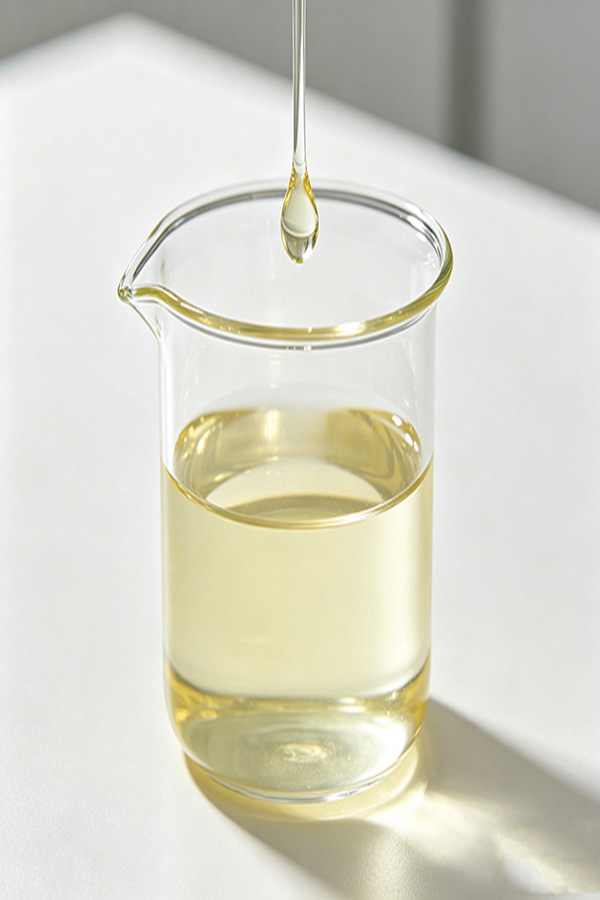
Water Based Polyurethane Dispersion Enhances Long Lasting Corrosion Protection for Metal Coatings
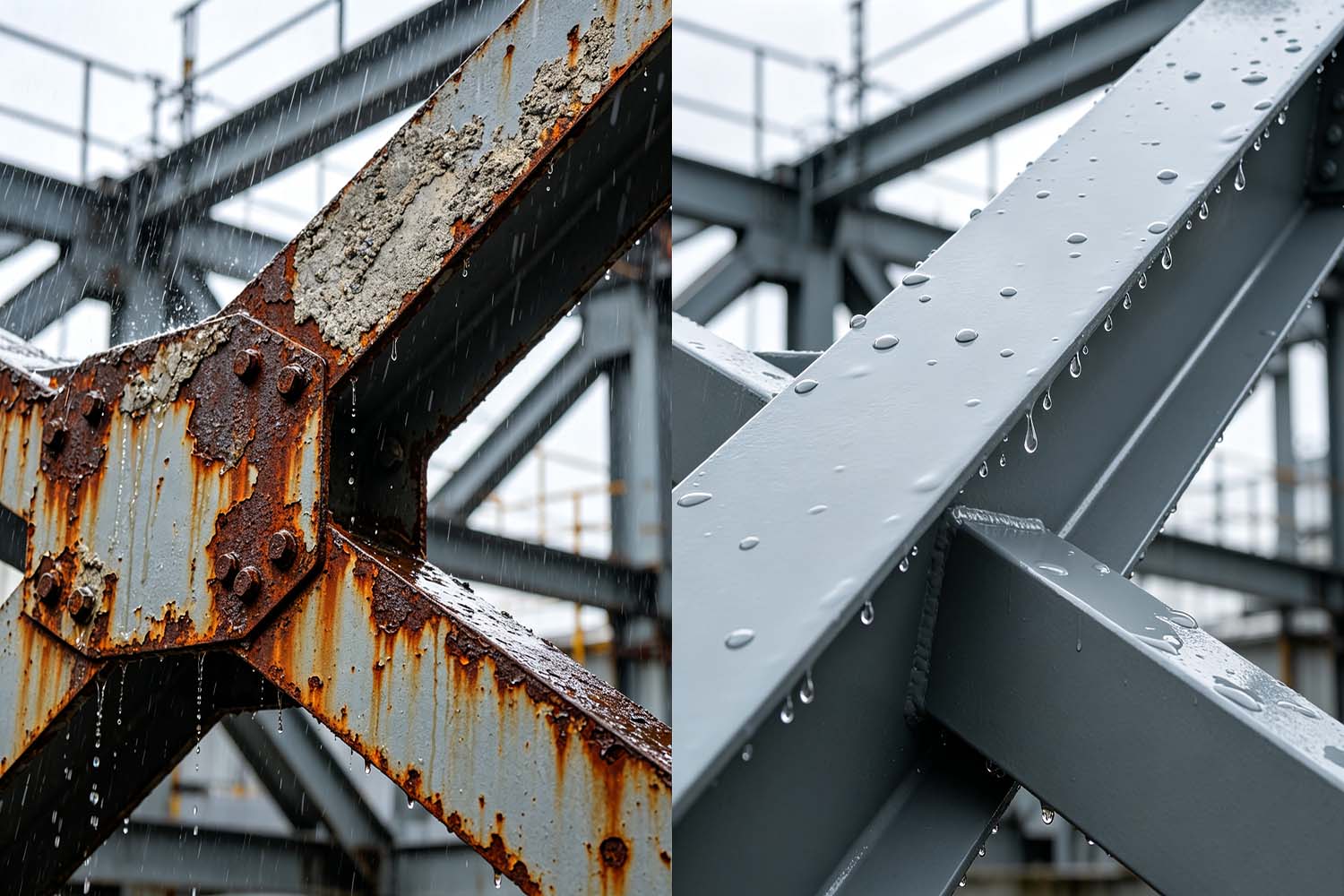
Metal corrosion remains one of the most significant challenges faced by manufacturers across industries. Whether it is industrial machinery, construction equipment, household appliances, transportation components, or fabricated steel structures, prolonged exposure to moisture, oxygen, chemicals, and ultraviolet radiation gradually degrades metal surfaces. Corrosion not only affects appearance but also reduces mechanical strength, increases maintenance costs, shortens service life, and compromises operational safety.
As environmental regulations become increasingly stringent around the world, coating manufacturers are under growing pressure to replace traditional solvent-based technologies with environmentally responsible alternatives without sacrificing coating performance. This transition has accelerated the adoption of water-based polyurethane dispersion, which combines excellent protective properties with low volatile organic compound (VOC) emissions and safer production processes.
Compared with conventional solvent-based polyurethane systems, modern waterborne polyurethane dispersion technologies offer a balanced combination of corrosion resistance, mechanical durability, flexibility, chemical resistance, and excellent adhesion to various substrates. These advantages have made waterborne polyurethane one of the fastest-growing resin technologies for industrial protective coatings.
Why Corrosion Protection Requires More Than Just Surface Coverage
Many people assume that corrosion protection simply depends on covering the metal surface with a coating film. In reality, long-term corrosion resistance depends on several interacting factors rather than film thickness alone.
The coating must first provide excellent adhesion to the metal substrate. Poor adhesion allows water and oxygen to migrate beneath the coating, eventually leading to blistering, underfilm corrosion, and coating failure.
Secondly, the coating must create an effective barrier against moisture, oxygen, salts, and aggressive chemicals. Water penetration is one of the primary causes of corrosion initiation, especially in humid climates, coastal regions, and industrial environments.
Mechanical durability is equally important. During transportation, installation, or daily service, coated metal surfaces are frequently exposed to scratches, abrasion, and impacts. Once the coating film is damaged, localized corrosion can quickly spread beneath the surrounding coating.
Another often-overlooked factor is coating flexibility. Metal substrates naturally expand and contract because of temperature fluctuations. Protective coatings that are excessively rigid may crack under thermal stress, creating pathways for corrosive media to reach the substrate.
Therefore, an ideal protective coating should combine hardness with flexibility, strong adhesion with impact resistance, and barrier performance with long-term durability. Achieving this balance is one of the key advantages of advanced aqueous polyurethane dispersion technology.
The Advantages of Water Based Polyurethane Dispersion in Metal Protection
Modern water-based polyurethane chemistry has evolved significantly over the past decade. Continuous improvements in polymer design, particle stabilization, and crosslinking technology now enable waterborne systems to deliver performance approaching or even exceeding many solvent-based coatings.
One of the greatest strengths of water-based polyurethane dispersion is its unique polymer structure. Polyurethane polymers contain both hard segments and soft segments that can be carefully adjusted during synthesis. Hard segments contribute to hardness, abrasion resistance, and chemical resistance, while soft segments provide elasticity and flexibility.
This balanced molecular architecture allows protective coatings to maintain excellent mechanical properties without becoming brittle.
In addition, polyurethane dispersions exhibit outstanding adhesion to a wide variety of substrates, including carbon steel, galvanized steel, aluminum, stainless steel, and numerous engineering plastics. Strong interfacial bonding minimizes coating delamination and helps maintain long-term corrosion protection even under demanding environmental conditions.
Another important advantage is their excellent resistance to water and common industrial chemicals. Protective coatings based on high-quality polyurethane dispersions can effectively reduce water absorption, thereby slowing electrolyte penetration and delaying corrosion processes. This characteristic is particularly valuable for metal components operating in humid environments or exposed to occasional chemical contact.
High abrasion resistance is another reason why polyurethane technology is widely adopted in industrial maintenance coatings. Equipment surfaces subjected to repeated mechanical wear require coatings capable of maintaining film integrity throughout their service life. Durable polyurethane films help reduce maintenance frequency while extending equipment longevity.
RHERI™ U111 A Reliable Solution for Protective Metal Coatings
Among various resin technologies available today, RHERI™ U111 has been specifically developed as a polyurethane dispersion for metal coatings requiring an excellent balance between mechanical performance and corrosion protection.
According to its technical characteristics, RHERI™ U111 provides outstanding hardness while maintaining sufficient flexibility to withstand mechanical stress. It also demonstrates excellent abrasion resistance, water resistance, chemical resistance, and strong adhesion on multiple substrates including metal and plastic. Most importantly, it offers reliable corrosion resistance when formulated into protective metal coating systems, making it suitable for a broad range of industrial applications.
Unlike many conventional resin systems that require compromises between hardness and flexibility, RHERI™ U111 is engineered to achieve both properties simultaneously. This balanced performance helps coating manufacturers formulate durable protective finishes that resist cracking, peeling, and premature coating failure under demanding service conditions.
Furthermore, its water-based formulation supports the industry's ongoing transition toward environmentally responsible coating technologies by significantly reducing VOC emissions while improving workplace safety and regulatory compliance.
Applications Across Modern Industries
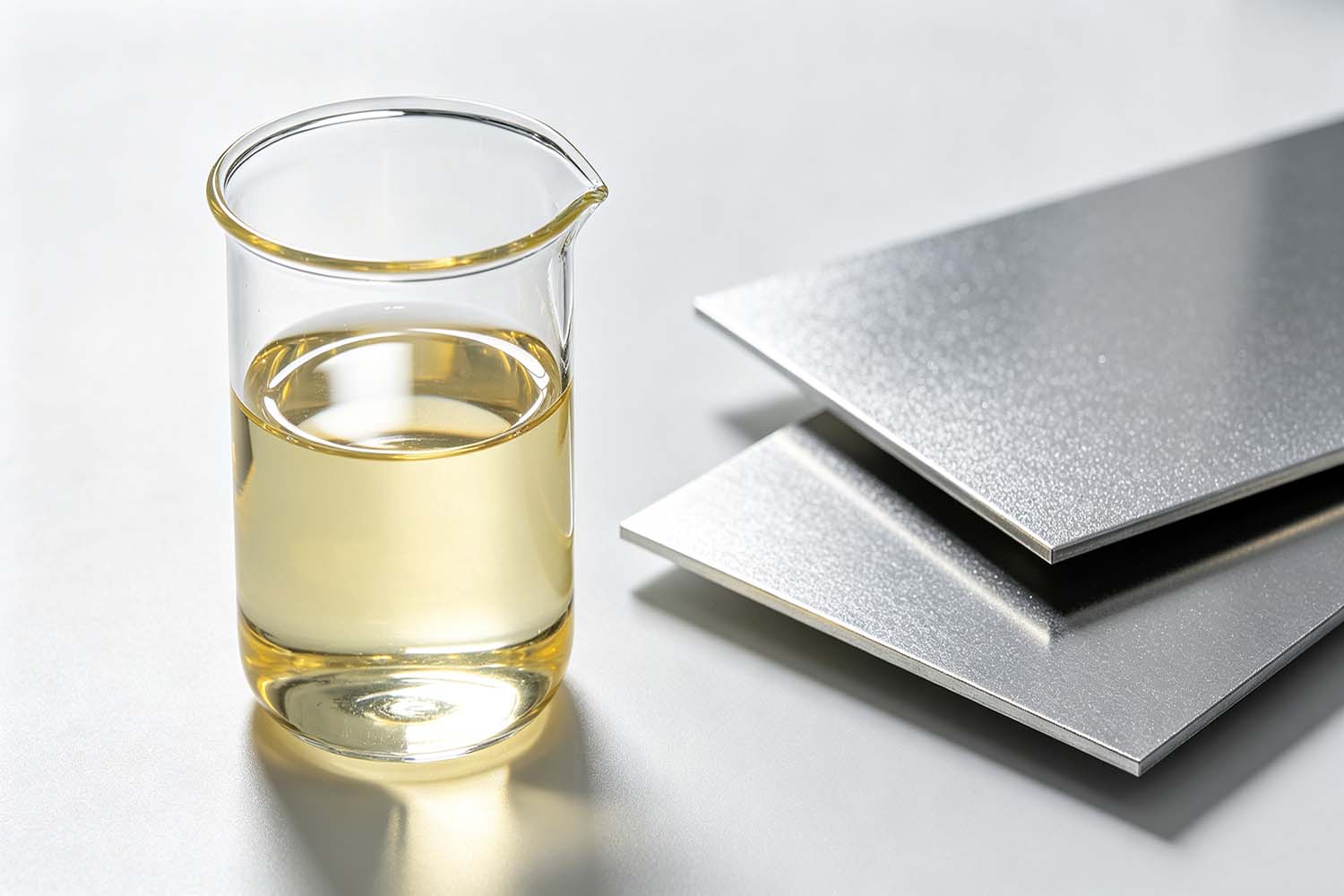
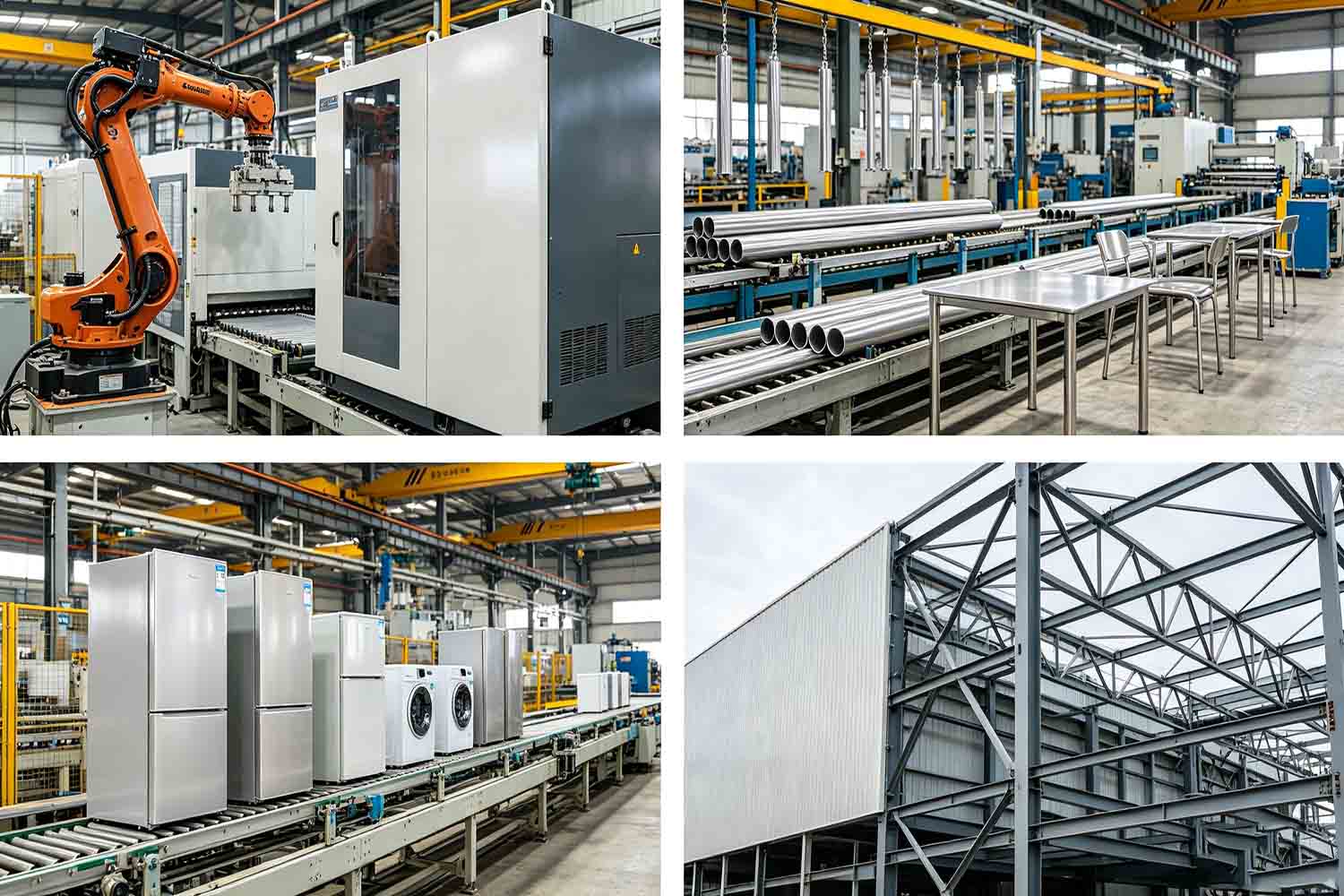
As manufacturing industries continue to pursue higher durability, lower environmental impact, and improved production efficiency, waterborne PU dispersion has become an increasingly attractive binder technology for protective metal coatings. Its versatility enables formulators to develop coating systems for a wide range of industrial sectors while meeting both performance and sustainability requirements.
Industrial Equipment and Machinery
Industrial machinery often operates in environments exposed to humidity, lubricants, cleaning chemicals, and continuous mechanical wear. Protective coatings must therefore resist corrosion while maintaining film integrity under repeated physical stress.
A coating formulated with a high-performance polyurethane dispersion forms a dense and flexible protective film that minimizes moisture penetration and provides excellent resistance to abrasion. This helps reduce maintenance frequency and extends equipment service life, ultimately lowering operating costs for manufacturers and end users.
Metal Furniture and Architectural Components
Metal furniture, shelving systems, aluminum profiles, steel doors, windows, and architectural hardware require coatings that not only protect against corrosion but also maintain an attractive appearance over many years.
Compared with conventional coatings, water-based polyurethane resin provides superior flexibility, allowing the coating to accommodate thermal expansion and contraction without cracking. Its excellent adhesion also reduces the risk of peeling or delamination, ensuring long-term decorative and protective performance in both indoor and outdoor environments.
Home Appliances and Consumer Products
Household appliances such as refrigerators, washing machines, air conditioners, microwave ovens, and metal cabinets demand coatings that combine durability with aesthetic quality.
Consumers increasingly expect products to remain scratch-resistant and corrosion-free throughout years of daily use. Waterborne polyurethane coatings deliver smooth film formation, excellent surface hardness, and high abrasion resistance, making them an ideal solution for appliance manufacturers seeking both performance and environmentally responsible production.
Transportation and General Industrial Manufacturing
Automotive components, agricultural machinery, trailers, logistics equipment, and metal fabrication industries also benefit from advanced polyurethane dispersion technology.
During transportation and outdoor service, coated metal surfaces encounter rain, humidity, temperature fluctuations, road salts, and occasional chemical exposure. A properly formulated polyurethane coating helps maintain coating adhesion and minimizes corrosion propagation, thereby improving product reliability and reducing long-term maintenance requirements.
Formulation Considerations for Coating Manufacturers
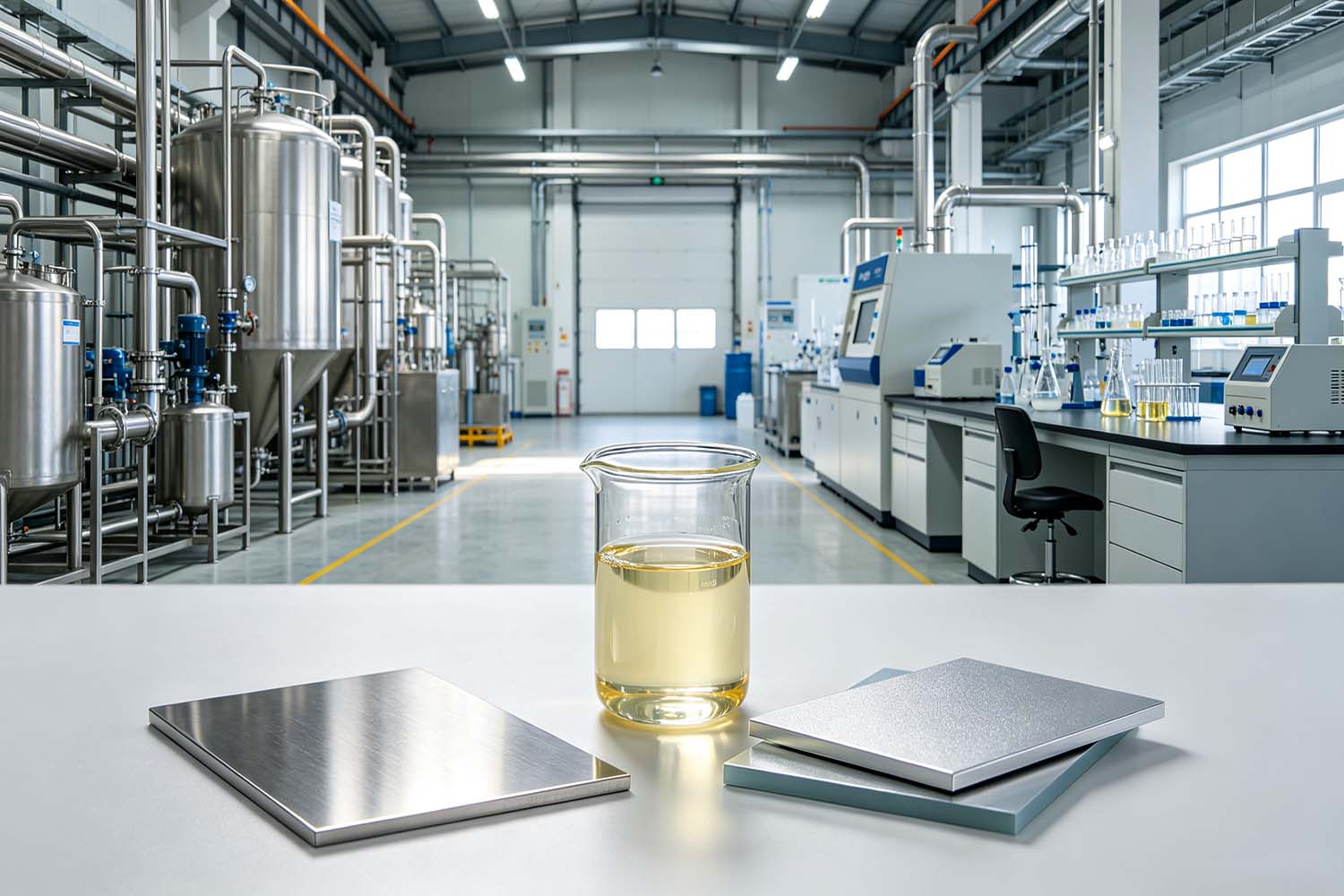
Selecting an appropriate resin is only one part of developing a successful metal protective coating. Formulators should also consider pigment selection, corrosion inhibitors, dispersants, wetting agents, defoamers, rheology modifiers, and suitable curing systems to achieve optimal coating performance.
Compatibility between the polyurethane dispersion and other formulation components plays a crucial role in determining coating stability, gloss, mechanical properties, and corrosion resistance. Proper formulation design allows manufacturers to maximize the advantages of polyurethane technology while meeting specific application requirements.
For high-performance industrial coatings, balancing hardness, flexibility, adhesion, chemical resistance, and weatherability remains the key objective. A high-quality resin provides the foundation upon which these performance characteristics can be achieved.
Supporting Sustainable Coating Development
The global coatings industry is steadily moving toward sustainable technologies that reduce environmental impact without compromising product quality. Waterborne polyurethane systems have become one of the most important solutions supporting this transition.
Compared with traditional solvent-based coatings, waterborne systems significantly reduce VOC emissions, improve workplace safety, simplify regulatory compliance, and contribute to greener manufacturing processes. These benefits align with increasingly strict environmental regulations in North America, Europe, Southeast Asia, and many other international markets.
As industrial customers continue to demand longer coating life cycles and lower maintenance costs, advanced water-based polyurethane dispersion technology will remain a key material for next-generation protective coatings.
Conclusion
Corrosion protection is no longer achieved simply by applying a thicker coating. Modern metal protection requires a carefully balanced combination of adhesion, flexibility, hardness, abrasion resistance, water resistance, and chemical resistance.
RHERI™ U111 is designed to deliver this balance. With excellent hardness and flexibility, outstanding adhesion to metal and plastic substrates, superior abrasion resistance, and reliable corrosion protection, it provides coating manufacturers with a dependable resin solution for high-performance metal protective coatings. Its water-based formulation also supports sustainable coating development by reducing VOC emissions while maintaining excellent coating performance. These technical characteristics make RHERI™ U111 well suited for industrial equipment, metal furniture, home appliances, architectural hardware, and many other protective coating applications.
As environmental regulations and performance expectations continue to evolve, water-based polyurethane dispersion technology will play an increasingly important role in helping coating manufacturers develop durable, environmentally responsible, and future-ready protective coating systems.





Sitemap Blog Xml Privacy Policy
Copyright @ Runshine New Materials(FoShan) Co.,Ltd. All Rights Reserved.
 Network Supported
leave a message
Scan to wechat :

Scan to whatsapp :