1
Home

Waterborne Polyurethane Dispersion

Waterborne Polyurethane Dispersion

  • Research Of Excellent Self Matting Polyurethane Dispersion For Film And Paper Coating
    Research Of Excellent Self Matting Polyurethane Dispersion For Film And Paper Coating Apr 15, 2026
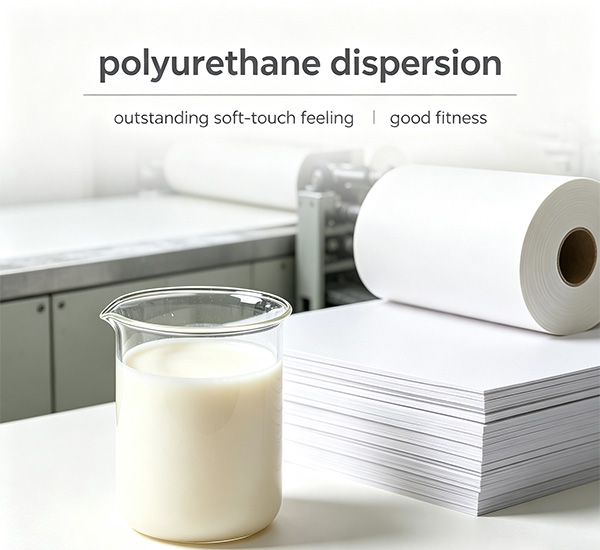
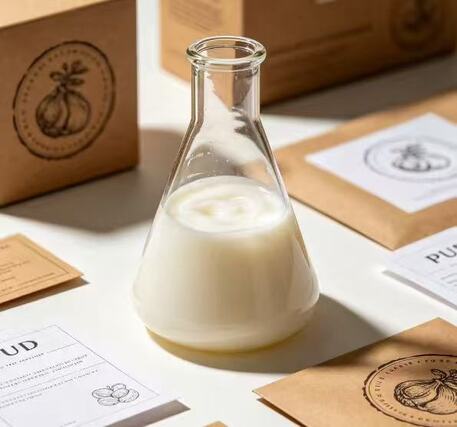
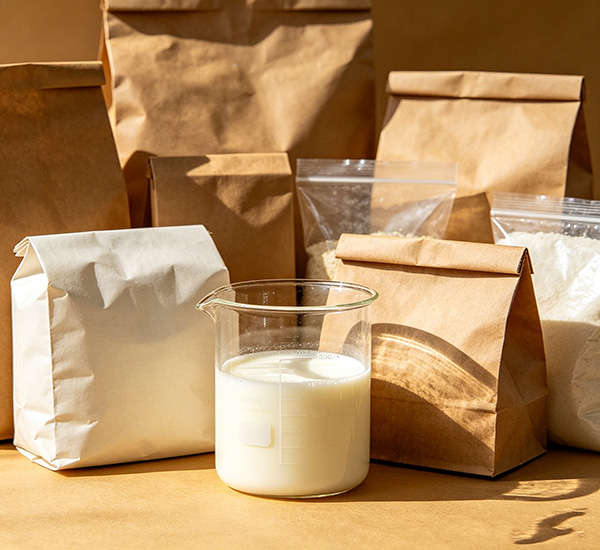
    The Rise of Self-Matting Waterborne Technology in Modern Coating Industry   The coating industry is shifting toward waterborne, solvent-free systems. Self-matting Polyurethane Dispersion (PUD) is a key innovation for films and papers, achieving uniform low-gloss finish without external matting agents (e.g., silica or wax) that can harm film integrity. RHERIU238 from Guangdong Rhechem-Rising is a solvent-free, self-matting PUD offering excellent anti-scratch resistance and soft-touch feel on PVC, BOPP, plastics, and paper. It contains no organic solvents or hazardous additives, aligning with low-VOC trends. This PUD avoids matting agent agglomeration or sedimentation, ensuring consistent matte aesthetics and haptic properties. As demand grows for premium tactile experience and sustainability, self-matting PUD will see rapid adoption in flexible packaging, labels, and decorative printing. Exceptional Anti-Scratch Performance – More Than Just Surface Hardness One of the most critical requirements for coated films and papers, especially in high-touch applications like packaging and graphic arts, is resistance to surface abrasion and scratching. The RHERIU238 Polyurethane Dispersion addresses this need by forming a tough yet flexible polymer network upon drying. What sets this Polyurethane Dispersion apart is its ability to combine high anti-scratch performance with a soft-touch feel—a combination traditionally difficult to achieve because harder coatings often feel harsh or plastic-like. The self-matting Polyurethane Dispersion achieves this balance through careful control of polymer chain mobility and crosslinking density. During film formation, the Polyurethane Dispersion particles coalesce into a continuous film with micro-rough surface topography that scatters light (hence the matte appearance) while maintaining sufficient cohesion and elasticity to resist marring. According to the technical data sheet, this Polyurethane Dispersion exhibits outstanding anti-scratch properties on various film substrates such as PVC and BOPP, making it an excellent choice for protective overprint varnishes and topcoats. Moreover, the inherent abrasion resistance of this Polyurethane Dispersion ensures that the matte finish and tactile quality remain intact even after repeated handling, slitting, or bag-making processes. For converters dealing with high-speed roll-to-roll operations, the robust anti-scratch nature of this Polyurethane Dispersion translates directly into lower rejection rates and higher customer satisfaction. Whether used on luxury paper gift wraps or industrial protective films, this Polyurethane Dispersion provides a durable shield against everyday wear and tear without sacrificing the soft, velvety touch that premium products demand. Superior Adhesion and Anti-Blocking – Enabling High-Speed Converting For any coating formulation intended for flexible packaging or printing, adhesion to non-porous substrates like BOPP and PVC is a make-or-break parameter. The RHERIU238 Polyurethane Dispersion demonstrates excellent adhesion to these challenging surfaces without requiring aggressive primers or corona treatment adjustments. This Polyurethane Dispersion achieves strong anchoring through a balanced combination of polar functional groups and optimal particle size distribution. But adhesion alone is not enough; in roll-to-roll processes, coated films are often wound up immediately after drying, and poor anti-blocking performance can cause layers to stick together, leading to film tearing or coating transfer defects. Remarkably, this Polyurethane Dispersion also provides outstanding anti-blocking properties, as confirmed by the product’s technical datasheet. By incorporating a self-matting Polyurethane Dispersion with inherent anti-blocking characteristics, converters can maintain high line speeds while avoiding costly stoppages. The viscosity of this Polyurethane Dispersion is specified at 200–2000 mPa·s (Brookfield, 25°C), which allows easy pumping and excellent leveling on gravure, flexo, and bar coating equipment. Furthermore, the self-matting Polyurethane Dispersion does not rely on external slip additives that can migrate or reduce blocking resistance over time. Instead, the polymer architecture itself contributes to a low-tack surface that resists blocking even under moderate heat and pressure. This reliability makes the Polyurethane Dispersion an ideal resin for applications such as self-wound films, label facestocks, and stacked paper sheets. By choosing this Polyurethane Dispersion, manufacturers gain a versatile binder that streamlines production, reduces waste, and ensures consistent unwind performance throughout the converting chain. Sustainability and Storage Stability – Practical Advantages for Industrial Use In today’s regulatory environment, coating products must not only perform well but also meet stringent environmental and safety standards. The RHERIU238 Polyurethane Dispersion is a solvent-free, waterborne system that emits negligible volatile organic compounds (VOCs), making it suitable for food-contact packaging, indoor air quality-sensitive applications, and workplaces with strict hygiene requirements. Unlike solvent-borne polyurethanes that require flammable solvents and complex recovery systems, this Polyurethane Dispersion can be applied and cleaned up with water, reducing fire hazards and operator exposure. Moreover, the product’s storage stability is clearly defined: when kept in original unopened containers at 20°C, this Polyurethane Dispersion remains stable for six months. The recommended storage temperature range is 5°C to 35°C. Freezing or prolonged exposure to temperatures above 35°C may affect the viscosity and average particle size of the Polyurethane Dispersion, potentially leading to sedimentation or coagulation. Therefore, proper warehouse management ensures that this Polyurethane Dispersion delivers consistent performance batch after batch. For formulators, the predictability of this Polyurethane Dispersion simplifies inventory planning and reduces material waste. Additionally, the product is designed to resist bacterial, fungal, or algal contamination when stored cleanly, but any such contamination could irreversibly damage the Polyurethane Dispersion. By following simple storage guidelines, users can maximize the shelf life and reliability of this Polyurethane Dispersion. In an industry where downtime and material spoilage carry significant costs, the robust storage profile of this Polyurethane Dispersion provides peace of mind and supports just-in-time manufacturing strategies. Ultimately, choosing a self-matting Polyurethane Dispersion with well-documented storage parameters is a smart investment in operational efficiency. Broad Application Spectrum – From Flexible Packaging to Decorative Paper The versatility of the RHERIU238 Polyurethane Dispersion makes it an indispensable tool for coaters serving diverse end-use markets. On plastic films such as PVC, BOPP, and PET, this Polyurethane Dispersion functions as a primary binder or additive resin to impart a soft-touch, anti-scratch, and self-matting finish. For flexible packaging applications—think cosmetic sachets, food pouches, and shrink sleeves—this Polyurethane Dispersion provides a protective topcoat that enhances product appeal while resisting scuffing during shipping and handling. In the paper coating sector, this Polyurethane Dispersion can be applied to gift wraps, cardboard boxes, and paper bags to achieve a premium matte surface with a velvety feel, without the cracking or dusting often associated with conventional waterborne matte coatings. Moreover, the excellent anti-blocking performance of this Polyurethane Dispersion is especially valuable for stacked or rolled paper products, preventing adhesion issues that could ruin printed surfaces. The product’s solids content is 30 ± 2%, offering a good balance between film build and drying efficiency. For applications requiring even higher mechanical or chemical resistance, this Polyurethane Dispersion can be optionally combined with a crosslinker (e.g., water-dispersible isocyanates or aziridines) to further enhance abrasion resistance and solvent tolerance while preserving the self-matting and soft-touch characteristics. Because this Polyurethane Dispersion is supplied as a ready-to-use dispersion, formulators can easily incorporate it into existing water-based systems with minimal trial work. Whether the goal is to upgrade a standard overprint varnish, develop a new haptic film for luxury packaging, or create a durable matte coating for industrial labels, this Polyurethane Dispersion offers a reliable, high-performance foundation. As the market continues to favor coatings that combine aesthetics, durability, and environmental responsibility, the RHERIU238 Polyurethane Dispersion stands out as a forward-thinking solution. By adopting this self-matting Polyurethane Dispersion, coating professionals can confidently meet the evolving demands of their customers while streamlining their own manufacturing processes. Conclusion In summary, the RHERIU238 self‑matting Polyurethane Dispersion represents a significant advancement in waterborne coating technology for film and paper substrates. By seamlessly integrating outstanding anti‑scratch resistance, a premium soft‑touch feel, excellent adhesion to challenging surfaces like PVC and BOPP, and superior anti‑blocking properties, this Polyurethane Dispersion addresses the most demanding requirements of modern flexible packaging, decorative printing, and industrial coating applications. Unlike conventional matte systems that rely on external additives—often leading to performance trade‑offs or stability issues—this self‑matting Polyurethane Dispersion achieves its unique haptic and optical profile through intelligent polymer design, ensuring consistent quality without the risk of sedimentation or agglomeration. Furthermore, as a solvent‑free, low‑VOC, and waterborne Polyurethane Dispersion, it fully aligns with global sustainability goals, enabling converters and brand owners to reduce their environmental footprint while maintaining high productivity and regulatory compliance. The well‑defined storage parameters (6 months at 20°C, 5–35°C range) and broad substrate compatibility further enhance its practicality for high‑speed roll‑to‑roll operations. Whether used as a protective overprint varnish, a tactile topcoat for luxury packaging, or a durable matte layer for industrial films, this Polyurethane Dispersion consistently delivers reliability, aesthetic excellence, and long‑lasting performance. For coating professionals seeking a future‑proof, high‑performance solution that combines self‑matting efficiency with anti‑scratch durability and soft‑touch comfort, the RHERIU238 Polyurethane Dispersion stands as a compelling and trustworthy choice.
  • Research Of Excellent Film Barrier Coating For ALOX PET Coating
    Research Of Excellent Film Barrier Coating For ALOX PET Coating Apr 08, 2026
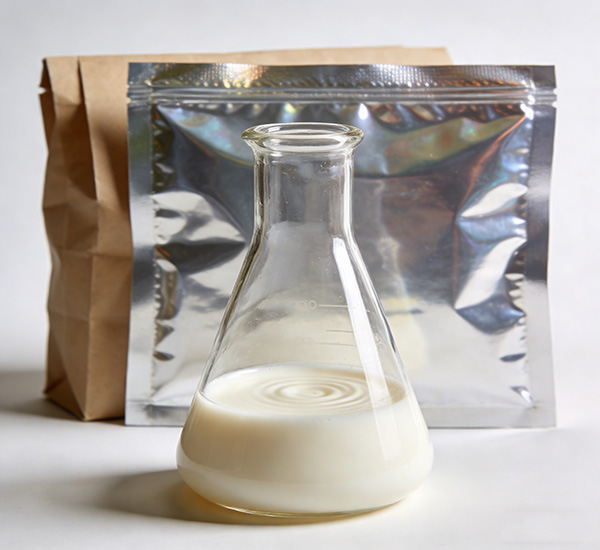
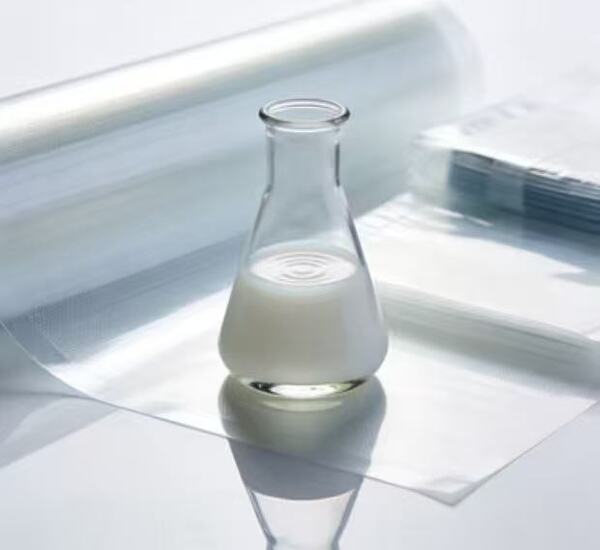
    What is Waterborne Polyurethane Dispersion with Excellent Water and Oxygen Barrier Performance for AlOx PET Coating? A Waterborne Polyurethane Dispersion designed for excellent water and oxygen barrier performance on AlOx-coated PET film is a colloidal suspension of polyurethane polymer particles in water, specifically engineered to provide a dense, continuous protective layer over aluminum oxide (Al₂O₃) vacuum-coated PET substrates. Unlike conventional solvent-borne barrier coatings, this advanced Waterborne Polyurethane Dispersion contains no organic solvents, making it an environmentally responsible choice for high-barrier flexible packaging applications. The dispersion typically features a solids content of 32±1.5%, a pH value in the range of 7.0–9.0, and a Brookfield viscosity below 500 mPa·s at 25°C, ensuring excellent processability on high-speed roll-to-roll coating lines.The key differentiating feature of this Waterborne Polyurethane Dispersion is its ability to form a highly impermeable film against both water vapor and oxygen molecules. When applied onto AlOx-coated PET – where the AlOx layer already provides a certain level of barrier – the polyurethane topcoat fills microscopic defects (pinholes, cracks, and grain boundaries) inherent in the vacuum-deposited inorganic layer. Furthermore, the formulation allows the optional addition of a crosslinker (such as water-dispersible polyisocyanate or aziridine-based crosslinkers) before application. Upon thermal curing, the crosslinker reacts with the polyurethane chains to form a three-dimensional thermoset network, drastically reducing free volume and enhancing the tortuosity of the diffusion path for permeants. This synergistic effect between the inorganic AlOx barrier and the crosslinked organic topcoat results in outstanding water vapor transmission rate (WVTR) and oxygen transmission rate (OTR) values, often meeting the most demanding requirements for moisture-sensitive dry foods, pharmaceuticals, and electronic components.     Key Advantages and Characteristics of This Waterborne Polyurethane Dispersion The adoption of a Waterborne Polyurethane Dispersion with excellent water and oxygen barrier performance for AlOx PET coating brings multiple technical, environmental, and economic benefits. Below is a detailed examination of its key advantages.   1. Superior Water and Oxygen Barrier Performance through Crosslinkable Chemistry The most critical advantage of this Waterborne Polyurethane Dispersion is its ability to achieve extremely low WVTR and OTR values when properly formulated and applied. In its uncrosslinked state, the polyurethane film already offers moderate barrier properties due to the inherent hydrophobicity of the polyurethane backbone and the formation of a continuous, defect-free film upon drying. However, the true potential is unlocked when an external crosslinker is incorporated into the dispersion prior to coating. Upon thermal curing (typically at 40–80°C for a few minutes to 48 hours, depending on line speed and post-curing conditions), the crosslinker creates covalent bonds between polyurethane chains, converting the linear or lightly branched polymer into a dense, three-dimensional network. This crosslinked structure significantly reduces the mobility of polymer segments and eliminates microscopic free volumes through which water and oxygen molecules can diffuse. As a result, the permeation path becomes highly tortuous, leading to a dramatic decrease in transmission rates. For example, a properly crosslinked Waterborne Polyurethane Dispersion topcoat can reduce the WVTR of a 12 µm AlOx PET film from several units to below 0.5 g/m²/day (at 38°C, 90% RH) and the OTR to below 0.1 cm³/m²/day (at 23°C, 0% RH), making it suitable for high-barrier applications such as vacuum insulation panels and retortable pouches. Moreover, the Waterborne Polyurethane Dispersion effectively seals pinholes and micro-cracks that are inevitably present in the vacuum-deposited AlOx layer. Even state-of-the-art metallization processes cannot achieve a completely defect-free inorganic coating. The polyurethane topcoat acts as a planarization layer, filling these defects and providing a continuous barrier across the entire film surface. This synergy is the fundamental reason why a combination of AlOx and a high-performance Waterborne Polyurethane Dispersion outperforms either layer alone.   2. Exceptional Adhesion to AlOx-Coated PET Substrates Adhesion is a perennial challenge in coating inorganic oxide layers with organic polymers. The surface of AlOx-coated PET has a relatively high surface energy but also contains polar groups (Al–OH) that can interact favorably with the urethane linkages (–NH–CO–O–) in the polyurethane backbone. This Waterborne Polyurethane Dispersion is specifically designed to maximize hydrogen bonding and acid-base interactions with the AlOx surface, resulting in strong, durable adhesion that resists delamination during subsequent converting steps (slitting, lamination, bag making) and end-use conditions. The low viscosity (<500 mPa·s) of the Waterborne Polyurethane Dispersion ensures excellent wetting of the AlOx surface, which is critical for achieving intimate contact at the molecular level. Poor wetting leads to air entrapment and weak boundary layers, both of which compromise adhesion and barrier performance. Formulators can further enhance adhesion by incorporating silane coupling agents or specialized adhesion promoters into the dispersion, though the base resin itself already provides robust anchorage on properly treated AlOx PET.   3. Solvent-Free, APEO-Free, and Low-VOC Formulation for Regulatory Compliance and Safety In response to increasingly stringent global regulations on volatile organic compounds (VOCs) and hazardous air pollutants (HAPs), this Waterborne Polyurethane Dispersion is manufactured without the use of organic co-solvents. Traditional solvent-borne barrier coatings rely on large amounts of ketones, esters, or aromatic hydrocarbons, which pose significant health risks to workers, contribute to photochemical smog formation, and require expensive solvent recovery or incineration systems. In contrast, the Waterborne Polyurethane Dispersion uses water as the sole continuous phase, reducing VOC emissions to near-zero levels. Furthermore, the dispersion is formulated without alkylphenol ethoxylates (APEOs), which are known to degrade into persistent, endocrine-disrupting compounds in the environment. Many jurisdictions, including the European Union, have restricted or banned the use of APEOs in products intended for food contact. By adopting an APEO-free Waterborne Polyurethane Dispersion, converters and brand owners can confidently meet the requirements of ecolabels (such as EU Ecolabel, Blue Angel) and retailer sustainability standards. The water-based nature of this Waterborne Polyurethane Dispersion also improves workplace safety by eliminating fire and explosion hazards associated with solvent handling. Cleanup and equipment washing can be performed with water, reducing hazardous waste generation and simplifying regulatory compliance.   4. Flexibility and Toughness: Maintaining Barrier Integrity during Mechanical Deformation One of the inherent weaknesses of purely inorganic barrier layers (e.g., AlOx or SiOx) is their brittleness. When the PET film is flexed, creased, or stretched during printing, lamination, or end-use (e.g., a flexible pouch being squeezed), the inorganic layer can crack, leading to catastrophic loss of barrier performance. The Waterborne Polyurethane Dispersion topcoat acts as a protective buffer that absorbs mechanical stress and distributes it across the elastic polyurethane network, thereby preventing crack propagation from reaching the AlOx layer.   Even when the Waterborne Polyurethane Dispersion is crosslinked, it retains a certain degree of flexibility due to the segmented structure of polyurethane – alternating soft segments (polyether or polyester diols) and hard segments (diisocyanate and chain extender). This microphase-separated morphology provides an optimal balance between toughness and flexibility. Consequently, the coated film can withstand repeated flexing, folding, and creasing without significant loss of barrier properties. This is particularly important for flexible packaging formats such as stand-up pouches, spouted pouches, and vacuum bags, where the package is subject to continuous mechanical abuse during filling, transport, and consumer handling.   5. Excellent Chemical Resistance and Durability against Oils, Greases, and Solvents Packaging films often come into contact with aggressive substances: cooking oils, acidic or alkaline foods, alcoholic beverages, and even organic solvents. The crosslinked Waterborne Polyurethane Dispersion topcoat exhibits excellent resistance to a wide range of chemicals. The crosslink density can be adjusted by varying the type and amount of crosslinker, allowing formulators to tailor the coating for specific end-use environments.   For applications such as retort pouches (sterilization at 121°C under pressure), the Waterborne Polyurethane Dispersion must withstand high-temperature steam and pressure without delamination or hydrolytic degradation. Properly formulated crosslinked polyurethane dispersions using hydrolysis-resistant polyester polyols or polyether polyols can meet retort requirements, provided that the crosslinker is chosen appropriately (e.g., blocked polyisocyanates that activate at retort temperatures). The result is a durable, chemically resistant barrier that maintains product protection even under harsh conditions.   6. Processability on High-Speed Roll-to-Roll Coating Lines Industrial viability depends on how well the coating material performs on existing converting equipment. The water based Polyurethane Dispersion described here has a viscosity below 500 mPa·s (Brookfield, 25°C), which makes it suitable for a variety of coating techniques including gravure, reverse roll, slot-die, and even rod coating. Its shear-thinning behavior (pseudoplasticity) ensures good leveling after application while preventing excessive sagging or edge bead formation. The dispersion’s stability under high shear – typical in gravure and reverse roll coating – is excellent, with no risk of coagulum formation that could lead to streaks or die lines. Furthermore, its relatively low foaming tendency allows for high-speed operation without the need for excessive defoamer addition, which might otherwise compromise barrier performance. The recommended coating weight for achieving optimal barrier ranges from 1 to 3 g/m² dry, which can be achieved with standard gravure cylinders or slot-die systems.   7. Sustainability: Supporting Recyclability and Circular Economy A growing concern in flexible packaging is the recyclability of multilayer structures. Traditional high-barrier films often use aluminum foil or metallized films laminated with solvent-borne adhesives, making them difficult to recycle due to the incompatibility of materials. The combination of AlOx PET and a Waterborne Polyurethane Dispersion topcoat offers a more recyclable alternative. Because the entire structure is based on PET (the AlOx layer is only a few nanometers thick, and the polyurethane topcoat is typically less than 2 µm), the monomaterial PET structure can be recycled in existing PET recycling streams, provided that the polyurethane coating is compatible and does not interfere with the recycling process.   Many Waterborne Polyurethane Dispersions are designed to be alkali-soluble or to disintegrate under standard PET recycling conditions (hot caustic wash), allowing the clean separation of PET flakes. This aligns with the principles of the circular economy and helps brand owners meet their sustainability pledges. Additionally, the water-based nature of the coating eliminates the need for organic solvents in the lamination process, further reducing the carbon footprint of the finished package.   8. Long-Term Storage Stability and Handling Convenience According to the technical data sheet of RHERI® HP1208 (a representative product of this class), the Waterborne Polyurethane Dispersion is stable for six months from the delivery date when stored at 20°C in originally closed containers. The recommended storage temperature range is 5–35°C. Within this range, the dispersion maintains consistent viscosity, particle size distribution, and film-forming properties. Freezing must be avoided, as ice crystal formation can irreversibly damage the particles, leading to coagulation. Similarly, storage above 35°C can accelerate particle agglomeration and sedimentation. To prevent microbial contamination, biocides are typically added during manufacturing. However, end-users should avoid introducing foreign microorganisms through unclean equipment or prolonged storage of open containers. If contamination occurs, the Waterborne Polyurethane Dispersion may develop odor, discoloration, or viscosity drift, and should not be used for high-barrier applications. With proper handling, this dispersion offers excellent batch-to-batch consistency and reliable performance.   Application Areas of Waterborne Polyurethane Dispersion with Excellent Water and Oxygen Barrier Performance for AlOx PET Coating The unique combination of properties exhibited by this Waterborne Polyurethane Dispersion makes it suitable for a wide range of demanding flexible packaging applications. Below are the primary sectors where this technology is already being deployed. 1. High-Barrier Food Packaging for Dry and Moisture-Sensitive Products Snack foods, nuts, dried fruits, coffee, tea, powdered milk, and nutritional supplements require packaging that effectively excludes oxygen and moisture to preserve flavor, texture, and nutritional value. AlOx PET coated with this Waterborne Polyurethane Dispersion (optionally crosslinked) provides an excellent solution. The transparent barrier film allows consumers to see the product while ensuring extended shelf life. Compared to metallized films, the transparent barrier film also enables metal detector compatibility – a critical requirement in food processing lines.   2. Pharmaceutical and Medical Device Blister Packaging Blister packs for tablets and capsules must meet extremely low OTR and WVTR specifications to prevent drug degradation. Regulatory standards such as USP <671> and European Pharmacopoeia require barrier performance validation. The Waterborne Polyurethane Dispersion topcoat on AlOx PET provides a reliable, non-aluminum alternative to traditional cold-form foil blisters. The transparency of AlOx PET also allows visual inspection of the tablets without opening the package, improving quality control.   3. Electronic Component and Moisture-Sensitive Device (MSD) Packaging Semiconductors, printed circuit boards, and other moisture-sensitive electronic components are packaged in high-barrier bags to prevent corrosion and solderability issues during storage and transportation. The combination of AlOx PET and a crosslinked Waterborne Polyurethane Dispersion can achieve WVTR values below 0.1 g/m²/day, meeting the requirements of MIL-PRF-131 and other military specifications. The anti-static versions of such dispersions are also available for ESD-sensitive applications.   4. Vacuum Insulation Panel (VIP) Encapsulation VIPs are used in refrigerators, freezers, and building insulation. They require an extremely high-barrier envelope to maintain internal vacuum over the product’s lifetime (typically 15–20 years). Multilayer structures incorporating AlOx PET and a crosslinked Waterborne Polyurethane Dispersion topcoat have demonstrated outstanding gas barrier retention even after accelerated aging tests. The flexibility of the polyurethane layer also helps the envelope withstand the mechanical stresses of vacuum sealing.   5. Retortable Stand-Up Pouches for Ready-to-Eat Meals Retort packaging (sterilization at 121°C) demands exceptional resistance to heat, pressure, and moisture. While AlOx alone cannot withstand retort conditions due to hydrolysis of the oxide layer, a properly crosslinked Waterborne Polyurethane Dispersion topcoat can protect the AlOx layer and provide additional barrier. When combined with high-temperature resistant adhesives and polypropylene sealant layers, the resulting laminate can be used for retortable pouches for pet food, soups, and ready-to-eat meals.   6. Industrial and Agricultural Chemical Packaging Agrochemicals, fertilizers, and industrial detergents are often aggressive and require robust barrier packaging to prevent leakage and contamination. The chemical resistance of crosslinked Waterborne Polyurethane Dispersion makes it suitable for lining or coating the inner surface of such packages. The solvent-free formulation ensures that no residual solvents migrate into the chemical product.   7. Aseptic Packaging for Liquid Foods (Juice, Milk, Liquid Eggs) Aseptic cartons (e.g., those used for shelf-stable milk) traditionally rely on aluminum foil as the barrier layer. AlOx PET coated with a high-barrier Waterborne Polyurethane Dispersion offers a lightweight, crease-resistant alternative that can be used in aseptic packaging lines. The absence of pinholes (a common issue with thin aluminum foil) improves reliability, and the transparent nature of the barrier allows for package inspection.   8. Overprint Varnish and Protective Topcoat for Printed AlOx PET Films In some applications, the AlOx PET film is printed with graphics before the barrier coating is applied. A clear version of the Waterborne Polyurethane Dispersion can be used as an overprint varnish (OPV) that simultaneously provides water and oxygen barrier while protecting the printed ink from abrasion and chemicals. This simplifies the converting process by combining decoration and barrier functionality into a single coating step.   Conclusion Waterborne Polyurethane Dispersion with excellent water and oxygen barrier performance for AlOx PET coating represents a paradigm shift in the design of high-performance, sustainable flexible packaging. Far from being a mere drop-in replacement for solvent-borne barrier coatings, this advanced dispersion enables converters and brand owners to meet the dual challenge of stringent preservation requirements and environmental responsibility.   Through its ability to form a crosslinkable, defect-filling topcoat, this Waterborne Polyurethane Dispersion synergizes with AlOx layers to achieve ultra-low WVTR and OTR values that were previously attainable only with aluminum foil or multiple layers of expensive barrier materials. Its solvent-free, APEO-free, low-VOC composition ensures full compliance with global food contact regulations and ecolabel standards, while its excellent adhesion and flexibility guarantee reliable performance even under mechanical stress and aggressive environments. The Waterborne Polyurethane Dispersion described in this article – exemplified by products like RHERI® HP1208 – is already making an impact in food, pharmaceutical, electronics, and industrial packaging. As the industry continues to move towards monomaterial, recyclable structures and circular economy models, the role of such Waterborne Polyurethane Dispersions will only become more central. Advances in crosslinker technology, bio-based polyols, and self-healing polymers promise to further enhance the barrier performance and sustainability profile of these versatile materials.   For converters and packaging engineers seeking to upgrade their product lines, adopting a high-performance Waterborne Polyurethane Dispersion with excellent water and oxygen barrier for AlOx PET coating is not just a technical improvement – it is a strategic investment in the future of responsible packaging.
  • Evolution and Technical Foundations of Waterborne Polyurethane dispersions
    Evolution and Technical Foundations of Waterborne Polyurethane dispersions Mar 25, 2026
    The coatings and adhesives industry is undergoing a profound transformation as regulations, customer demands, and environmental imperatives converge. In this context, waterborne polyurethane dispersions (PUDs) have emerged as a sophisticated alternative to traditional solvent-borne systems. These aqueous systems not only deliver high performance in durability, abrasion resistance, adhesion, and flexibility, but also significantly reduce volatile organic compound (VOC) emissions. Meanwhile, the evolution of continuous production methods and scale-up for water-borne polyurethanes offers additional industrialisation potential. Fundamentals of Waterborne Polyurethane Dispersions Waterborne polyurethane dispersions are colloidal systems of polyurethane particles suspended in water. They differ from solution-based polyurethanes that rely on organic solvents for polymer dissolution. By incorporating internal or external emulsifiers and carefully balancing hydrophilic/hydrophobic segments, manufacturers produce stable dispersions that form films or coatings upon water removal. “The internal emulsifier forms part of the polymeric chain, providing stability to the formed nanoparticles during the phase inversion step leading to the dispersion formation.” The result is a film with conventional polyurethane attributes,  flexibility, adhesion, and chemical resistance, but formulated to meet stringent emissions and health standards. Key Structure-Property Relationships The performance of waterborne PUDs hinges on fine-tuning molecular architecture. For example, the choice of polyol (polyester vs polyether), molecular weight, and emulsifier type will impact particle size, viscosity, film-forming behaviour, and mechanical/chemical resistance. “Structure-property relationships of aqueous polyurethanes, as the main component, provide an overview of rheological properties” of WPU systems. Key targets in design include high solids content (to reduce drying time and energy), robust crosslinking (for abrasion/chemical resistance), and film formation at ambient or moderate temperatures (for substrate compatibility). Manufacturing and Sustainability Imperatives The transition away from solvent-based PUDs is driven by regulatory pressure (e.g., limits on VOCs and hazardous air pollutants) and ever-stronger environmental credentials demanded by end-users. One account notes that traditional solvent-based polyurethane foam systems for synthetic leather, for instance, are being challenged by waterborne alternatives. On the manufacturing side, continuous production of water-borne PUDs has been addressed in recent literature, which offers insight into the scale-up and processing challenges. Companies such as SIWO US emphasise sustainability as a differentiator, citing their low-VOC, water-based polymers. Future Trends and High-Performance Innovations Higher Solids & Faster Drying A continuing goal is to increase the solids content of dispersions (e.g., from 30% to 50% or above) without compromising stability or viscosity. This allows thicker films, reduced water removal times, and faster throughput. For example, patent literature for synthetic leather mentions PUDs with 40-60 wt% prepolymer and up to 55 wt% water content. As dryer processing and energy efficiency become critical, manufacturers will push for systems that cure or dry rapidly at lower temperatures while delivering full performance. Biobased and Circular Raw Materials With sustainability high on the agenda, new raw material sources such as CO₂‐based polycarbonates are being explored. For example, a 2023 study described a WPU synthesized from CO₂ and ethylene oxide (PECD) that achieved “superior tensile performance, adhesion properties and surface hardness.” Similarly, a 2025 article explored biobased self-healing WPU dispersions. For high‐performance PUDs, these innovations mean not just meeting current benchmarks but redefining them with novel material systems that combine low environmental impact with superior functionality. Functional and Smart Property Additions Beyond ‘traditional’ metrics (hardness, abrasion resistance, chemical resistance), the next‐gen PUDs will integrate smart or multifunctional properties — self-healing, antimicrobial, self-matting, UV stability, and even sensor integration. A 2024 review of advances in waterborne polyurethane matting resins indicates how previously niche features (matt finish, texture control) are gaining importance. The ability to incorporate nanocellulose, graphene, or other nano-reinforcements into PUDs for enhanced mechanical/thermal properties is also emerging. Conclusion The era of solvent-based polyurethane systems is giving way to a new paradigm — one defined by high-performance, waterborne polyurethane dispersions that deliver not just comparable mechanical and chemical performance, but also align with environmental, health, and sustainability imperatives. The combination of advanced molecular design, increased solids, functional additives, and process optimization is powering this transition. For specifiers, coaters, manufacturers, and OEMs, the imperative is clear: adapt to waterborne systems now or risk being left behind. Companies like SIWO US, with deep R&D, global manufacturing, and a comprehensive PUD portfolio, illustrate how the right partner can accelerate this shift. As the journey continues, we expect to see further breakthroughs in biobased raw materials, self-healing films, ultra-high-performance dispersions, and truly circular coatings ecosystems. In short: beyond solvents lies a future of coatings and adhesives that are greener, smarter, tougher — and ready for the demands of tomorrow.
  • A Market and Technology Analysis of Waterbased Polyurethane Dispersion
    A Market and Technology Analysis of Waterbased Polyurethane Dispersion Feb 03, 2026
    Core Potential Industry Layouts The water based polyurethane dispersion industry has gained extensive attention and in-depth layout in multiple high-potential fields. In the plastic and film processing industry, as a key primer material, it effectively solves the bonding problem between coatings and substrates, which is widely used in the production of packaging films, plastic products for electronic appliances, and automotive interior plastics. With the increasing demand for high-performance and environmentally friendly materials in these industries, the market demand for this product is showing a steady growth trend. Additionally, it is gradually expanding into emerging fields such as water-based coatings, adhesives, and textile finishing. In the water-based coatings industry, it meets the requirements of environmental protection policies due to its solvent-free characteristics, and its excellent adhesion and weather resistance make it an ideal choice for architectural coatings and industrial coatings. In the textile industry, it can improve the wear resistance and softness of fabrics, opening up new application spaces. Key Technological and Application Progress Technological innovation is the core driving force for the development of the industry. In terms of product performance optimization, enterprises have continuously improved the formula and production process, making the product's adhesion on various substrates more stable, and further reducing the viscosity while ensuring solid content, which enhances the convenience of construction. The solid content of the product is maintained at 33±1%, the pH value is controlled between 7.0-9.0, and the viscosity is less than 400 mPa·s, which are the results of precise technological control. In terms of application technology, the matching processes between the product and subsequent coatings have been continuously improved, realizing more efficient and high-quality production lines. Moreover, the research on storage technology has also made progress. By optimizing packaging materials and storage environment control schemes, the product's shelf life is guaranteed to be 6 months under appropriate conditions (20℃, intact original packaging), and the adaptability to storage temperature (5℃-30℃) has been further enhanced, reducing the risk of performance degradation caused by improper storage. Summary and Future Outlook In summary, the water based polyurethane dispersion industry is currently in a stage of rapid development with broad market prospects. Its unique environmental protection properties and excellent performance have enabled it to occupy an important position in traditional fields such as plastic and film processing, and continuously penetrate into emerging industries. The continuous advancement of key technologies and the expansion of application scenarios have laid a solid foundation for the sustainable development of the industry. Looking to the future, with the deepening of global environmental protection concepts and the continuous upgrading of industrial demand, the industry will face more development opportunities. It is expected that in the next few years, the product will be further optimized in terms of performance, and the application fields will be more diversified. At the same time, driven by technological innovation and market demand, the industry will attract more investment and research forces, promoting the entire industry to move towards a higher quality and more sustainable development direction.
  • High Transfer Efficiency Waterborne Polyurethane Dispersion Promoting Transfer Coating Development
    High Transfer Efficiency Waterborne Polyurethane Dispersion Promoting Transfer Coating Development Jan 07, 2026
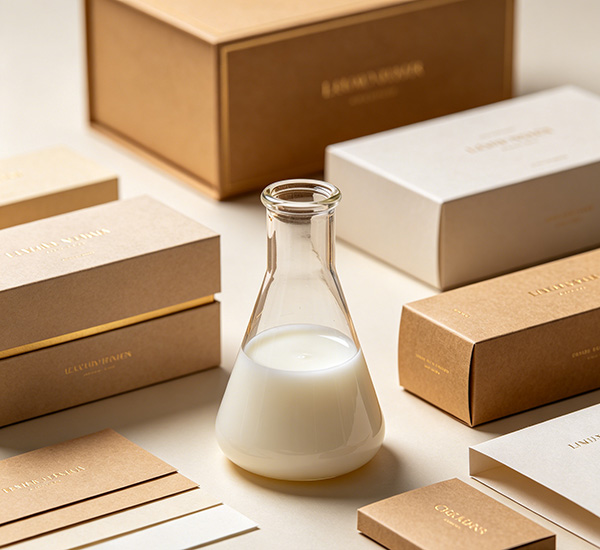
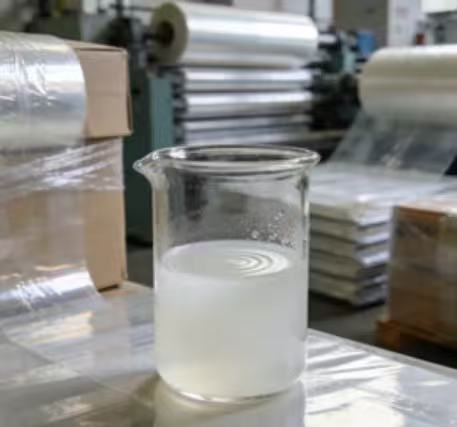
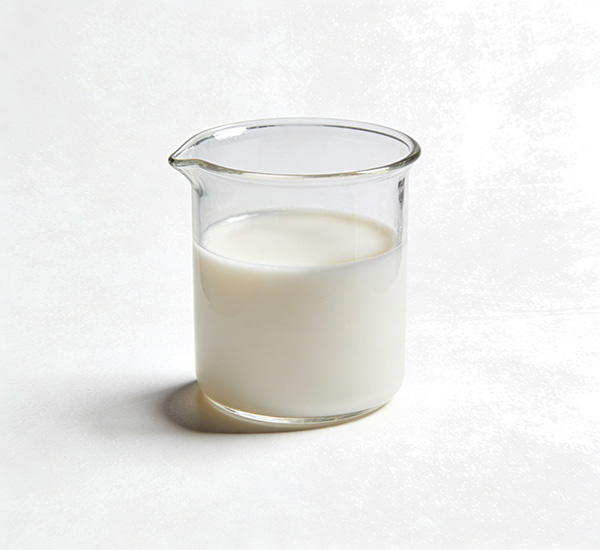
    Introduction to Waterborne Polyurethane Dispersions and Their Role in Transfer Coatings Waterborne polyurethane dispersions (PUDs) have become a cornerstone of eco-friendly industrial materials, with solvent-free variants gaining increasing traction due to their low environmental impact and adaptable performance. The waterborne polyurethane dispersion focused on herein is tailor-made for transfer coating applications, standing out with its exceptional high-temperature resistance and superior transfer efficiency. As the transfer coating industry pursues higher quality and greener production standards, this product’s inherent advantages perfectly align with market demands, emerging as a key driver for the sector’s technological advancement and sustainable development.   Core Performance Traits and Typical Specifications of High-Quality Dispersions This solvent-free waterborne polyurethane dispersion excels in two critical aspects for transfer coatings: outstanding high-temperature resistance and excellent transfer performance. Its high-temperature resistance ensures the coating maintains structural integrity and stable functionality even under extreme thermal conditions during processing or service, avoiding deformation or failure. Meanwhile, its superior transfer efficiency guarantees that the coating adheres evenly and smoothly to target substrates, minimizing defects such as unevenness or incomplete transfer. In terms of physical and chemical properties, the product presents as a milky semi-transparent liquid. It has a solids content of 35±1%, a pH value ranging from 7.0 to 9.0 (measured at 25°C), and a viscosity of less than 300 mPa·s (tested by Brookfield at 25°C). These well-calibrated specifications enhance its processability, enabling seamless integration into various transfer coating production lines and reducing operational complexities.   Versatile Application Fields Rooted in its robust performance, this waterborne polyurethane dispersion has carved out a wide range of applications in the transfer coating industry. In the packaging sector, it is extensively used for decorative transfer coatings on food packaging, gift boxes, and cosmetic containers, elevating product aesthetics while meeting environmental and safety standards. In the manufacturing of decorative films, it facilitates the precise transfer of intricate patterns and textures onto film substrates, supporting the production of high-end decorative materials for furniture, automobiles, and electronics. Additionally, it is well-suited for functional transfer coatings in industries such as textiles and leather, imparting properties like wear resistance and heat resistance to the treated surfaces. Its versatility enables it to meet the diverse technical requirements of different transfer coating scenarios, expanding the industry’s application boundaries.   Storage and Handling Guidelines Proper storage and handling are paramount to preserving the product’s stable performance. When stored in intact original packaging, the dispersion remains stable for 6 months at 20°C after the delivery date. The recommended storage temperature range is 5°C to 30°C. Exposure to freezing temperatures or storage above 30°C may alter the product’s viscosity and average particle size, potentially leading to sedimentation or coagulation, which compromises its usability. Furthermore, contamination by bacteria, fungi, or algae can cause irreversible damage to the product. Therefore, strict hygiene controls must be implemented during storage and use, and the product should be protected from extreme temperature fluctuations to ensure consistent performance. Conclusion This solvent-free waterborne polyurethane dispersion stands out in the transfer coating industry with its exceptional high-temperature resistance, superior transfer efficiency, and optimized physical and chemical properties. Its wide-ranging applications across packaging, decorative films, and functional surface treatment underscore its strong practical value and market potential. By adhering to the recommended storage and handling protocols, users can fully leverage its performance advantages, ensuring high-quality and stable production outcomes. As an eco-friendly and high-performance material, it not only meets the current demands for green manufacturing but also provides a reliable technical support for the future development of the transfer coating industry, driving the sector toward greater efficiency, sustainability, and innovation.
  • Good Film Formation Elasticity Waterborne PUD for Multifield Applications
    Good Film Formation Elasticity Waterborne PUD for Multifield Applications Dec 30, 2025
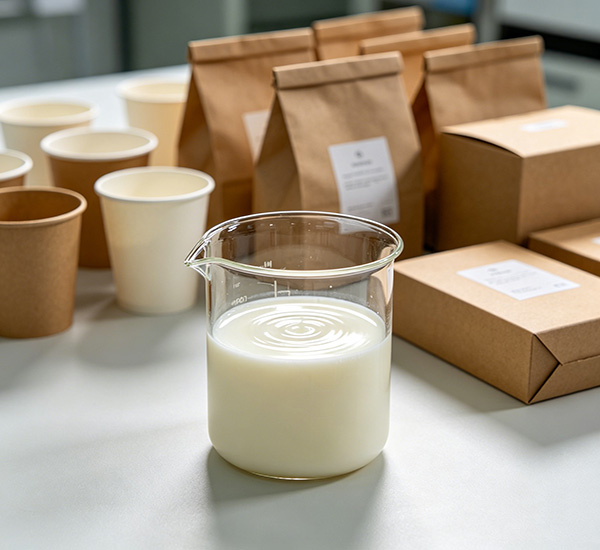
    Introduction​ Waterborne polyurethane dispersion(PUD) have emerged as pivotal materials in modern industrial production, favored for their environmental friendliness and versatile performance. Among them, the waterborne PUD discussed herein stands out with its exceptional film-forming elasticity, reliable adhesion, and broad applicability, making it a preferred choice across multiple fields.​ Core Performance Advantages​ This waterborne PUD is characterized by outstanding flexibility and elastic performance, which endow the formed film with excellent resilience—enabling it to recover quickly after being subjected to external forces without permanent deformation. Meanwhile, it exhibits strong adhesion on a variety of substrates, ensuring stable bonding and long-term performance retention in different application scenarios. The product appears as a bluish liquid, with a solid content of 40±1%, a pH value ranging from 7.0 to 9.0 (measured at 25°C), and a viscosity of less than 800 mPa·s (tested by Brookfield at 25°C), presenting favorable processing properties for subsequent production operations.​ Versatile Application Fields​ Thanks to its comprehensive performance, this waterborne PUD has found wide application in multiple key fields. In the paper plastic-substitute sector, it serves as an ideal material for manufacturing environmentally friendly paper-based products that replace traditional plastics, contributing to reduced plastic pollution. Additionally, it performs excellently in the leather industry, where it enhances the softness and durability of leather products. It is also suitable for the textile field, providing functional modifications to textiles to improve their comfort and performance. Its versatility allows it to meet the diverse requirements of different industrial sectors. ​ Storage and Handling Guidelines​ To maintain the product's stable performance, proper storage and handling are essential. When stored in intact original packaging, the product remains stable for 6 months at 20°C after delivery. The recommended storage temperature range is 5°C to 30°C. Freezing or exposure to temperatures exceeding 30°C may adversely affect the product's viscosity and average particle size, potentially leading to sedimentation or coagulation. Moreover, contamination by bacteria, fungi, or algae can cause irreversible damage to the product, so strict hygiene control during storage and use is necessary.​ Conclusion​ This waterborne polyurethane dispersion excels with its excellent film formation elasticity, reliable adhesion, and favorable physical and chemical properties. Its wide applicability across paper plastic-substitute, leather, textile, and other fields highlights its strong practical value in industrial production. By adhering to the recommended storage and handling requirements, users can ensure the product maintains its optimal performance, making it a trustworthy and efficient material choice for enterprises pursuing high-quality and environmentally friendly production solutions.
As a National High - tech Enterprise , we own brands like RHERI is popular in domestic markets China,but also our high - quality products have won overseas customer trust like Southeast Asia, the Middle East, South America, Africa and North America.
f LINKIDEN
Subscribe Our News
Please Read On, Stay Posted, Subscribe, And We Welcome You To Tell Us What You Think.

Sitemap Blog Xml Privacy Policy

Copyright @ Runshine New Materials(FoShan) Co.,Ltd. All Rights Reserved. Network Supported

leave a message

leave a message
If you are interested in our products and want to know more details,please leave a message here,we will reply you as soon as we can.
submit

home

products

WhatsApp

CONTACT

Leave A Message
Leave A Message
If you are interested in our products and want to know more details,please leave a message here,we will reply you as soon as we can.
submit