Applications of Waterborne Polyurethane
Dec 05, 2025
Background and Overview
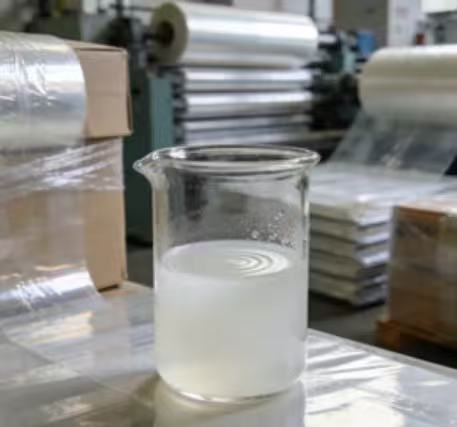
Waterborne polyurethane refers to a polyurethane emulsion formed by dissolving or dispersing polyurethane in water. Since the 1960s, solvent-based polyurethanes have been widely used. However, the organic solvents involved cause air pollution and exhibit certain levels of toxicity. In recent years, growing environmental awareness has driven the development of waterborne polyurethane materials. Using water as the primary medium, waterborne polyurethane offers advantages such as environmental friendliness, energy savings, and convenient processing and handling, garnering significant attention.
Applications
1.Waterborne Polyurethane Coatings
Waterborne polyurethane coatings use water as the medium, featuring low volatile organic compound (VOC) content and no free diisocyanate monomers, thereby reducing volatile toxicity and offering environmental benefits. They can be diluted with water, facilitating easy application. Their properties can be enhanced through crosslinking modification to improve solvent and water resistance. Compared to other latex coatings, waterborne polyurethane exhibits superior low-temperature film-forming ability and may not require coalescing agents. It demonstrates good compatibility with other water-dispersible systems such as acrylic, vinyl, and alkyd resins, providing more avenues for performance improvement. After over two decades of development, waterborne polyurethane coating technology has become increasingly mature and is now applied in various fields, including floor coatings, wood furniture coatings, surface coatings for plastic parts in automobiles, locomotives, aircraft, and commercial equipment, stone-chip resistant coatings, strippable coatings, UV-curable coatings, and interior and exterior wall coatings. Amid growing environmental regulations, the application prospects for waterborne polyurethane coatings continue to expand.
2.Waterborne Polyurethane Adhesives
Waterborne polyurethane adhesives are characterized by low VOC emissions, non-flammability, and minimal environmental pollution, making them a key development direction for polyurethane adhesives. They offer convenient processing methods such as spraying, can be thermally activated at relatively low temperatures, and provide excellent substrate adhesion, high initial and final bond strength, as well as good resistance to moisture, plasticizers, and heat. These adhesives are widely used in the following areas: manufacturing of various laminated products, including fabric laminates, food packaging composite plastic films, and laminates of thin-layer materials such as soft PVC films or sheets with other materials like wood, fabric, and paper; flocking adhesives, glass fiber and other fiber bundling adhesives, ink adhesives; bonding of general materials, such as automotive interior trim adhesives and footwear adhesives. Additionally, waterborne polyurethane is used in many other bonding applications, including wood, plastic, and metal products.
3.Leather Finishing Agents
Leather finishing is a crucial step in leather manufacturing. Resin-based finishes enhance the aesthetics and durability of leather, improving its grade. Compared to conventionally used acrylic emulsion leather finishing agents, waterborne polyurethane offers advantages such as better low-temperature resistance, abrasion resistance, soft hand feel, and fullness, overcoming the drawbacks of acrylic resins, which exhibit thermoplasticity at high temperatures and brittleness at low temperatures.
4.Textile Finishing Agents
Waterborne polyurethane is formaldehyde-free and exhibits excellent film-forming ability and elasticity. It can partially or entirely replace amino resins as anti-wrinkle finishing agents or softness additives. Applications include anti-pilling finishing for polyester fabrics, wool-like finishing and anti-shrinkage/anti-wrinkle finishing for cotton-viscose and polyester-viscose blended fabrics, coating finishing for cotton fabrics, stiffening and anti-wrinkle finishing for silk fabrics, treatment of various fibers, and one-bath dyeing and finishing processes.
5.Other Applications
Waterborne polyurethane can be used as a textile coating agent, such as for imitation leather coatings on various non-woven and knitted fabrics, and printing coatings. It also serves as a sizing agent for glass fibers, a petroleum demulsifier, among other applications.
Modification
A common modification method for waterborne polyurethane involves incorporating modifying materials into the system through chemical or physical means, leveraging the excellent properties of these materials to enhance the mechanical performance, thermal stability, and water resistance of waterborne polyurethane. For instance, compounding with epoxy resin, which offers outstanding mechanical properties, adhesion, chemical stability, and thermal stability, can improve the mechanical performance and heat resistance of waterborne polyurethane while providing excellent waterproofing. The composite modification approach holds promising prospects in the field of waterborne polyurethane modification research.








 Network Supported