A Sustainable Solution for Paper Packaging Film Replacement
Jun 17, 2026
Introduction to Traditional Paper Lamination and Its Drawbacks
Lamination, also referred to as film coating, is a mainstream surface finishing technology widely adopted in the printing and packaging industry. After lamination with BOPP plastic films, printed products gain enhanced surface smoothness, glossiness, stain resistance, water resistance and wear resistance. This process effectively protects printed patterns on book covers, calendars, maps and various packaging materials, while greatly improving the tensile strength, folding endurance and overall service life of paper products.
Nevertheless, conventional film lamination brings severe environmental and economic challenges. The plastic film used in the process is non-biodegradable and poses potential hazards to organisms. Once paper is bonded with plastic film, the entire composite becomes unrecyclable and ends up as waste. In addition, rising raw material prices for plastic films have continuously increased production costs for packaging manufacturers. Against the backdrop of stricter plastic restriction policies across Europe, America and China, the packaging industry is urgently seeking eco-friendly alternatives to replace traditional plastic lamination technology.
What is Plastic Film Replacement Varnish?
To address the defects of plastic film lamination, plastic film replacement varnish (anti-scratch varnish) has been developed as an innovative eco-friendly coating material. It can create a protective layer on paper substrates that delivers the same performance as plastic film lamination. Formulated with professional resin materials, this varnish features strong adhesion, outstanding wear resistance, anti-scratch performance and color cracking resistance. Most importantly, it enables complete recycling and biodegradation of paper materials, fully complying with global plastic reduction and environmental protection initiatives.
The core raw material of high-performance replacement varnish comes from professional water based polyurethane resin. As a core functional material, it endows the coating with excellent flexibility and comprehensive mechanical properties, laying a solid foundation for the stable performance of the final product. As a professional polyurethane resin manufacturer, we optimize resin formulas to adapt to different paper substrates and production processes, ensuring the universal applicability of replacement varnish.
Core Advantages and Performance Indicators of Replacement Varnish
Plastic film replacement varnish stands out for its superior comprehensive performance and production adaptability, with remarkable advantages over traditional lamination:
Excellent mechanical properties: It passes strict adhesion tests including 3M tape test even on dark ink layers. The coating resists peeling after repeated friction on A4 paper, withstands over 200 folding tests under 2kg load, and avoids color cracking or coating detachment during frequent bending. It also features great alcohol resistance and anti-scratch capability.
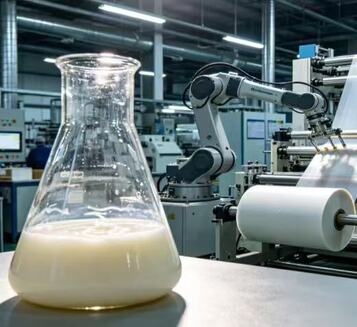
High production efficiency: The varnish supports online automated production, compatible with common equipment such as full-format UV machines and general coating machines, simplifying printing processes and cutting labor and time costs.
Superior environmental performance: The water-based formula contains zero VOCs, fully meeting RoHS, REACH, EU 94/62/EC packaging directives and heavy metal standards of EN71-3 and ASTM F963. As a reliable waterborne polyurethane supplier, we guarantee all raw materials comply with international environmental regulations.
Perfect recyclability: Coatings formed by replacement varnish will not affect paper recycling. Coated paper can be recycled and degraded like ordinary paper without special treatment.
In terms of precise performance indicators for supporting resins: the matte coating achieves gloss below 10°, the coating can fully cover the base material after one pass with 250# abrasive paper, the coating withstands 5,000 friction tests under 4-pound load, and the alcohol resistance lasts more than 15 seconds.
Classification, Formula and Application Scope
Main Product Categories
Currently, plastic film replacement varnish is mainly divided into two categories by curing method: waterborne replacement varnish and UV replacement varnish. Based on surface effect, it can be split into glossy replacement varnish and matte anti-scratch varnish, which respectively replace glossy plastic films and matte plastic films in traditional lamination.
Basic Formula of Waterborne Replacement Varnish
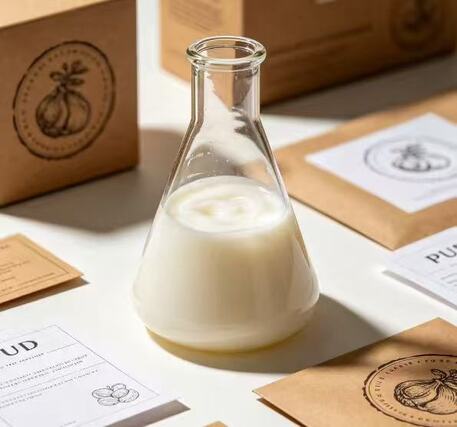
The standard formula of waterborne replacement varnish (by weight) is as follows: 60-80 parts of waterborne polyurethane Dispersions, 10-20 parts of waterborne acrylic emulsion, 2-4 parts of wax powder, 2-4 parts of matting powder, 0.5-2 parts of organosilicon additive and 20-40 parts of deionized water. As a professional Polyurethane Dispersions supplier, we provide high-stability raw materials for this formula to ensure uniform dispersion and stable film-forming of the finished varnish. The widely recognized abbreviation for this core raw material system is PUD, which has become a standard material choice for eco-friendly paper coatings in the industry.
Wide Application Fields
This eco-friendly coating can be applied to various paperboards, gold and silver cards and leather surfaces for matte and anti-scratch finishing. It realizes 100% plastic-free transformation of packaging products and is widely used in packaging for tobacco, alcohol, toys, medical supplies, electronic devices, apparel, cosmetics, stationery and 3C products. It supports both online and offline coating processes to meet diversified production demands of different manufacturers.
Standard Operating Guidelines for Waterborne Replacement Varnish
To ensure optimal coating effect and stable production, please follow the operational specifications below:
Coating amount: Control the wet film thickness at 10-12 g/㎡, with the surface gloss kept at 75-85° (tested at 60° angle).
Drying conditions: Set the oven temperature of coating machines between 70℃ and 100℃; auxiliary hot air drying is recommended. For insufficient drying, place finished products upright and blow with a fan for 1 to 2 hours before stacking.
Construction notes: Online coating is conducted with undiluted varnish; always prioritize drying effect inspection. The varnish dries quickly once cured, so keep rollers in operation during production. In case of shutdown, clean rollers immediately with clean water. For stubborn ink residues on mesh holes, use a mixed solution of 1% ammonia water and a small amount of detergent for cleaning.
Pre-production test: The coating effect is affected by paper quality. Conduct small-scale coating tests before mass production to adjust process parameters.
Industry Development Trend
Since the second half of 2020, domestic packaging material enterprises have increased R&D investment in plastic-free transformation. Plastic film replacement varnish has gradually replaced traditional plastic lamination and entered large-scale trial and promotion stages. At present, major manufacturers of replacement varnish and supporting polyurethane raw materials are mainly concentrated in Guangdong and East China regions, and the market scale is expanding rapidly.
Driven by global plastic restriction policies and environmental protection trends, plastic film replacement varnish based on eco-friendly polyurethane materials will become the mainstream technology for paper packaging surface finishing. It not only reduces production costs for enterprises but also promotes the sustainable development of the printing and packaging industry.








 Network Supported