Waterborne Polyurethane Dispersion For High-Performance Eco-Friendly Flexible Packaging Barriers Coating
Oct 23, 2025
Eco-Friendly Waterborne Polyurethane Dispersion Revolutionizes Barrier Coatings for Flexible Packaging
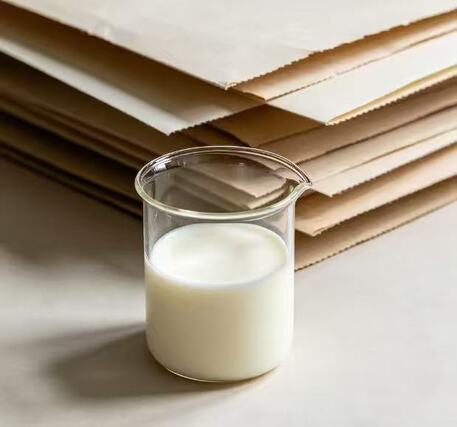
The global flexible packaging industry is undergoing a transformative shift toward sustainable materials, driven by environmental concerns and stringent regulations. Conventional plastic packaging, with its high VOC solvents and problematic end-of-life footprint, faces intense scrutiny, creating an urgent need for high-performance, eco-friendly alternatives. Waterborne polyurethane dispersions (PUDs) have emerged as a groundbreaking solution, offering a compelling combination of exceptional barrier properties, mechanical performance, and environmental compliance. Particularly, those based on polycarbonate chemistry provide a viable pathway to simplify complex, hard-to-recycle multi-material structures without compromising performance, aligning with circular economy goals. As sustainable packaging becomes a priority for brands, regulators, and consumers alike, waterborne PUDs are poised to become the benchmark technology for next-generation coatings, setting new standards for performance, safety, and environmental responsibility in the industry.
Performance Advantages of Waterborne PUDs
1 .Superior Barrier Properties
The fundamental requirement of any packaging coating lies in its ability to provide effective barriers against external elements that could compromise product quality and shelf life. Waterborne PUDs excel in this regard, demonstrating exceptional resistance to oxygen, water vapor, oils, and greases—critical properties for food, pharmaceutical, and consumer goods packaging. Advanced PUD formulations exhibit remarkable oxygen barrier characteristics, making them ideal for packaging applications where oxidation must be prevented to maintain product integrity . These materials form dense, cross-linked film structures that create a tortuous path for gas molecules, significantly slowing their transmission through the packaging material.
The unique molecular architecture of polycarbonate-based PUDs contributes to their enhanced barrier performance. The polar carbonate groups in the polymer backbone form strong intermolecular interactions, resulting in a tightly packed structure that impedes the penetration of small gas molecules. This molecular design translates directly to extended product shelf life and reduced food waste—a significant sustainability benefit. Furthermore, the barrier properties of these coatings remain stable across a wide range of humidity conditions, unlike some vinyl alcohol-based resins which display significant humidity dependence in their barrier performance . This stability ensures consistent protection throughout the supply chain, even in challenging environmental conditions.
2 .Mechanical and Thermal Performance
Flexible packaging applications demand coatings that can withstand the rigors of manufacturing, filling, distribution, and end-use without compromising their protective function. Waterborne PUDs deliver an optimal balance of mechanical properties, including tensile strength, elasticity, and abrasion resistance. These characteristics ensure that the coated packaging maintains its integrity when subjected to stretching, folding, and compression during conversion processes and throughout the product lifecycle. The inherent toughness of polyurethane chemistry combined with the environmental benefits of water-based dispersion technology creates a unique material profile that outperforms conventional acrylic and vinyl-based aqueous coatings.
The thermal stability of waterborne PUDs further expands their application potential in packaging that requires heat sealing or exposure to elevated temperatures during processing or use. Specialty PUDs demonstrate excellent heat resistance, maintaining their mechanical and barrier properties even under thermal stress . This property is particularly valuable for applications involving hot filling, pasteurization, or microwave heating of packaged products. Additionally, PUDs based on polycarbonate diols (PCDL) exhibit superior resistance to thermal degradation compared to those derived from polyester or polyether polyols, as evidenced by higher tensile strength retention after exposure to 120°C heating environments . This thermal resilience ensures that packaging performance remains consistent throughout the product's lifecycle.
Table 1: Comparison of Key Physical Properties for PUDs Based on Different Soft Segments
Property
Polycarbonate PUD
Polyester PUD
Polyether PUD
Hydrolysis Resistance
Excellent
Moderate
Good
Thermal Stability
High
Moderate
Moderate
Mechanical Strength
High
High
Moderate
Flexibility
Good
Good
Excellent
Oxidation Resistance
Excellent
Good
Poor
3 .Substrate Adhesion and Versatility
A critical advantage of waterborne PUDs in flexible packaging applications is their exceptional adhesion to a diverse range of substrates, including treated polyolefins (PP, PE), polyester (PET), nylon, and metallized surfaces . This versatility enables packaging designers to select the most appropriate and sustainable substrate without concerns about coating adhesion failure. The adhesive properties stem from the molecular structure of PUDs, which can be tailored to include functional groups that interact strongly with different substrate surfaces through polar interactions, hydrogen bonding, and in some cases, covalent bonding.
The development of specialized PUD formulations has further expanded the application possibilities for flexible packaging. For instance, some waterborne PUDs demonstrate excellent adhesion to both plastic and metallized substrates, enabling their use in high-performance barrier packaging structures . This capability is particularly valuable for creating lightweight, efficient packaging with enhanced environmental profiles. The ability to adhere to metallized surfaces allows for the creation of packages with excellent light barrier properties while maintaining recyclability—a significant advantage over traditional foil laminates which complicate recycling streams. Furthermore, the availability of both anionic and cationic PUDs provides formulators with options to optimize adhesion based on the specific substrate characteristics, with cationic systems often demonstrating superior adhesion to the anionic surfaces typically found in paper and paperboard substrates.
4 .Safety and Resistance Properties
Packaging coatings must protect contents without introducing potential contaminants, making material safety a paramount concern. Waterborne PUDs offer outstanding resistance to oils, greases, and chemicals, preventing the migration of components from the packaged product into the coating while simultaneously blocking external contaminants from reaching the product. This bidirectional protection is essential for maintaining product quality and safety throughout the shelf life. The cross-linked structure of cured PUD films creates a dense network that acts as an effective barrier against potential migrants while resisting penetration by external substances.
The hydrolysis resistance of polycarbonate-based PUDs represents a significant advantage over their polyester-based counterparts, particularly in applications involving high-moisture environments or aqueous products. While ester groups in conventional polyester PUDs are susceptible to hydrolytic cleavage, especially under acidic or basic conditions, the carbonate linkages in polycarbonate PUDs demonstrate remarkable stability against water-induced degradation . This inherent resistance to hydrolysis ensures long-term integrity of the packaging coating, preventing the tackiness, strength loss, and odor development that can occur when polyester-based coatings break down. Additionally, specialized PUD formulations can be engineered to provide antistatic properties, with surface resistivity as low as 10⁹ Ω, meeting the requirements for antistatic materials used in electronic component packaging .
Environmental and Regulatory Compliance
1. Eco-Friendly Formulation
The transition from solvent-based to water-based coating systems represents one of the most significant advancements in reducing the environmental impact of flexible packaging. Waterborne PUDs contain little to no VOC content, addressing one of the primary environmental and workplace safety concerns associated with traditional packaging coatings . This reduction in VOC emissions translates to improved air quality, reduced occupational health risks for production workers, and diminished contribution to atmospheric pollution and ozone formation. The aqueous nature of these dispersions simplifies cleaning processes in manufacturing facilities, eliminating the need for hazardous solvent-based cleaning agents and reducing the environmental burden associated with equipment maintenance.
Beyond the absence of harmful solvents, waterborne PUDs contribute to sustainable packaging lifecycles through their support of monomaterial packaging structures and recyclability. By providing sufficient barrier properties as a coating rather than as a separate layer in a multimaterial laminate, PUDs enable the creation of packaging from a single type of plastic, dramatically simplifying recycling processes . Furthermore, PUDs portfolio are designed to be compatible with plastic recycling streams, avoiding the contamination issues associated with conventional coatings . Some specialized waterborne barrier coatings have demonstrated excellent repulpability and compostability, with many applications meeting the stringent EN 13432 standard for composability . These attributes align with circular economy principles and help packaging manufacturers meet evolving sustainability targets.
Table 2: Environmental Attributes of Waterborne PUDs for Flexible Packaging
Environmental Attribute
Benefit
Application Relevance
Low/Zero VOC
Reduces air emissions and workplace hazards
Complies with air quality regulations
Solvent-Free
Eliminates hazardous air pollutants
Meets strict regulatory standards
Recyclability
Compatible with recycling streams
Supports circular economy goals
Repulpability
Can be recycled in paper streams
Suitable for paper-based packaging
Compostability
Breaks down in industrial composting
Reduces packaging waste to landfill
2. Global Regulatory Compliance
Navigating the complex landscape of global regulations for packaging materials presents a significant challenge for manufacturers operating in international markets. Waterborne PUDs offer a compliance advantage with their ability to meet stringent international standards for food contact materials, including FDA 21 CFR § 176.170 in the United States, BfR XXXVI in Germany, and GB9685-2016 in China . This regulatory alignment is crucial for packaging manufacturers supplying global markets with diverse chemical compliance requirements. The absence of restricted substances in properly formulated PUDs simplifies the certification process and reduces compliance-related costs and delays.
The alignment of waterborne PUD chemistry with emerging regulatory trends positions them favorably for future compliance requirements. For instance, the increasing global restrictions on per- and polyfluoroalkyl substances (PFAS) in packaging have created an urgent need for effective barrier coatings that do not rely on these persistent chemicals. Waterborne PUDs inherently avoid PFAS chemistry while still providing excellent oil and grease resistance . Similarly, compliance with regulations such as REACH in Europe and TR CU 017/2011 for Eurasian markets is facilitated by the minimal presence of substances of very high concern (SVHC) in PUD formulations . The comprehensive documentation available for many commercial PUDs, including full chemical disclosure and toxicological profiles, further supports regulatory compliance efforts for packaging manufacturers.
Applications in Flexible Packaging
1. Food Packaging
The food packaging sector represents the most significant application area for waterborne PUD barrier coatings, where they provide critical protection against moisture, oxygen, and contaminants that could compromise food safety and quality. These coatings are particularly valuable in flexible packaging structures for products such as snacks, dairy items, meats, and ready-to-eat meals, where maintenance of freshness without excessive packaging is paramount. The exceptional oxygen barrier properties of specialized PUDs prevent oxidative rancidity in fat-containing foods and preserve the color and flavor of sensitive products . This capability directly translates to extended shelf life and reduced food waste—a significant sustainability benefit.
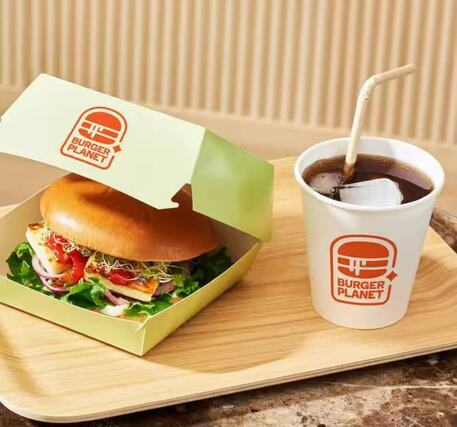
The heat resistance of certain waterborne PUDs enables their use in applications requiring hot filling, pasteurization, or microwave heating, such as pouches for soups, sauces, and ready meals. Coatings based on polycarbonate PUD chemistry maintain their barrier properties and dimensional stability even at elevated temperatures, ensuring package integrity throughout thermal processing Furthermore, PUD-coated papers and paperboards are increasingly replacing traditional plastic-based packaging for fast food items like hamburgers, pizzas, and doughnuts, with products providing effective grease and moisture resistance while enhancing the recyclability of paper-based packaging . This application represents a significant step forward in reducing plastic waste in the food service industry while maintaining the functional requirements of food protection.
2 .Pharmaceutical and Healthcare Packaging
In the pharmaceutical sector, packaging integrity is directly linked to product safety and efficacy, making the barrier properties of waterborne PUDs particularly valuable. These coatings provide excellent protection for moisture-sensitive medications, preventing hydrolysis of active pharmaceutical ingredients and maintaining potency throughout the product's shelf life. The high chemical purity of properly formulated PUDs makes them suitable for pharmaceutical applications, with compliance to relevant pharmacopoeia standards for packaging materials. Additionally, the low odor and taste transfer characteristics of polyurethane coatings ensure that they do not impart unwanted flavors or smells to medicinal products.
Medical device packaging represents another significant application, where the puncture resistance and durability of PUD coatings provide essential protection for sterile barrier systems. The ability of these coatings to maintain integrity during sterilization processes (including gamma radiation, ethylene oxide, and steam sterilization) makes them ideal for medical packaging applications. The flexibility of PUD films allows for the creation of peelable lidding materials that maintain a secure seal until intentionally opened, while the abrasion resistance prevents scuffing and visual defects that could compromise label legibility or package appearance during distribution and storage.
3 .Technical and Industrial Packaging
Beyond food and pharmaceutical applications, waterborne PUD coatings find important uses in technical and industrial packaging segments where specialized barrier properties are required. Electrostatic discharge (ESD) protection is critical for packaging electronic components and devices, and specialized PUDs can be formulated to provide antistatic properties with surface resistivity in the range of 10⁹–10¹² Ω/□ . This capability prevents damage to sensitive electronic components from static electricity during storage and transportation. The tunable conductivity of these systems allows formulators to achieve precisely controlled antistatic performance based on specific application requirements.
The chemical resistance of polycarbonate-based PUDs makes them suitable for packaging agricultural chemicals, household cleaners, and industrial products that could potentially degrade conventional packaging materials. The exceptional resistance of these coatings to oils, greases, and aggressive chemicals ensures that potentially hazardous contents do not compromise the packaging integrity. Furthermore, waterborne PUD coatings for industrial packaging applications can be engineered to provide weatherability and UV resistance, protecting contents from environmental degradation during outdoor storage or transportation. This versatility across diverse packaging applications demonstrates the adaptability of waterborne PUD technology to meet specialized performance requirements while maintaining environmental benefits.
Formulation and Processing Considerations
1 .Polymer Structure Design
The performance of waterborne PUDs in flexible packaging applications is fundamentally determined by their chemical architecture, which can be precisely engineered to meet specific application requirements. The selection of disocyanates (aliphatic vs. aromatic) directly influences the light stability and chemical resistance of the final coating, with aliphatic isocyanates such as IPDI (isophorone diisocyanate) providing superior UV resistance for applications where yellowing must be prevented . The soft segment composition, particularly the use of polycarbonate diols (PCDL), confers exceptional hydrolytic stability and toughness compared to conventional polyester or polyether polyols . This molecular design flexibility allows formulators to create customized solutions for specific packaging challenges.
The incorporation of ionic groups and hydrophilic segments enables the dispersion of polyurethane polymers in water without the need for emulsifiers that could compromise film properties or adhesion. Internal emulsifiers such as dimethylol propionic acid (DMPA) create chemically bound ionic centers that stabilize the dispersion while maintaining the integrity of the polymer film after water evaporation . The molecular weight between crosslinks, hard segment content, and degree of phase separation can all be controlled to balance properties such as flexibility, tensile strength, and chemical resistance. This precise control over polymer architecture at the molecular level distinguishes polyurethane chemistry from other coating technologies and enables the development of specialized formulations for demanding packaging applications.
2 .Drying and Film Formation
The process of film formation in waterborne PUDs involves complex stages of water evaporation, particle deformation, and polymer chain interdiffusion that collectively determine the final coating properties. As water evaporates from the applied coating, PUD particles come into close contact and deform under capillary forces, eventually coalescing into a continuous film. The minimum film formation temperature (MFFT) of the dispersion must be carefully balanced to ensure proper film formation under practical processing conditions while maintaining adequate heat resistance in the final package. Optimal film formation is critical for developing consistent barrier properties, as incomplete coalescence can create pathways for gas and vapor transmission through the coating.
The drying parameters including air temperature, airflow velocity, and relative humidity must be carefully controlled to achieve optimal film properties in industrial coating processes. Excessively rapid drying can cause film defects such as mud-cracking, while insufficient drying may result in residual water that compromises barrier performance. The application of heat following initial water evaporation can induce crosslinking reactions in certain PUD formulations, enhancing durability and chemical resistance through the formation of covalent bonds between polymer chains. This crosslinking mechanism, whether based on self-reactive chemistry or the addition of external crosslinkers, significantly improves the performance of the final coating, particularly in demanding applications such as hot-fill packaging or packages for aggressive products.
3 .Additive Selection and Compatibility
The formulation of high-performance waterborne PUD coatings for flexible packaging requires careful selection of compatible additives that enhance specific properties without compromising overall performance. Defoamers are essential for preventing air entrapment during mixing and application, while wetting agents ensure uniform coverage of the substrate surface. The compatibility of these additives with the PUD chemistry must be carefully evaluated to avoid destabilization of the dispersion or impairment of intercoat adhesion. Similarly, the selection of slip and anti-block agents requires consideration of their potential impact on transparency, heat sealability, and barrier properties.
The incorporation of functional additives can expand the application range of waterborne PUD coatings in specialized packaging applications. UV absorbers and light stabilizers protect photosensitive contents from degradation while preventing yellowing of the coating itself. Antimicrobial agents can be included in formulations for packaging susceptible to microbial growth, particularly in high-humidity environments. The development of active packaging systems incorporating oxygen scavengers or moisture absorbers represents an emerging frontier where waterborne PUDs serve as carrier systems for functional compounds that extend product shelf life beyond the capabilities of passive barrier systems alone.
Future Perspectives and Development Trends
1. Advanced Raw Materials
The ongoing evolution of waterborne PUD technology for flexible packaging is closely linked to developments in bio-based raw materials that further enhance the sustainability profile of these coatings. The synthesis of polycarbonate diols from renewable resources represents a significant advancement, reducing dependence on petroleum-based feedstocks while maintaining the performance advantages of conventional PCDLs. Similarly, the development of bio-based isocyanates though technically challenging, would complete the pathway toward fully renewable PUD formulations. These bio-based alternatives typically demonstrate reduced carbon footprints compared to their petroleum-based counterparts, contributing to the circular economy model for packaging materials.
The emergence of smart functional PUDs with responsive properties represents another frontier in packaging coating technology. These advanced materials can be designed to change their permeability in response to specific triggers such as pH, temperature, or moisture, creating intelligent packaging systems that actively respond to changing conditions. For instance, PUD coatings with thermo-responsive permeability could enhance product safety by indicating temperature abuse through visible changes, while pH-sensitive coatings might signal product spoilage through color changes. Such intelligent packaging systems add functionality beyond mere protection, creating opportunities for enhanced consumer communication and product safety features.
2. Processing Innovations
Advancements in application technology for waterborne PUDs are equally important as material innovations in driving the adoption of these sustainable coating solutions. The development of high-speed coating techniques with precise control over coating weight distribution enables the creation of thinner, more efficient barrier layers without compromising performance. Similarly, energy-efficient drying systems utilizing infrared radiation or advanced air knife configurations reduce the environmental footprint of the coating process while improving production economics. These processing innovations collectively address the traditional limitations of waterborne coatings compared to solvent-based systems, particularly in terms of line speed and energy consumption.
The integration of advanced analytics and process control systems in PUD coating operations enables unprecedented quality control and consistency in barrier performance. Real-time monitoring of coating weight, uniformity, and defects using laser scanning and vision systems allows for immediate correction of process deviations before they result in non-conforming product. Meanwhile, artificial intelligence algorithms can optimize multiple process parameters simultaneously to achieve target performance properties with minimal material and energy consumption. These digital technologies not only improve manufacturing efficiency but also provide the data transparency increasingly demanded by brands and retailers for their sustainability reporting and packaging optimization initiatives.
Conclusion
Waterborne polyurethane dispersions represent a transformative technology in the field of flexible packaging coatings, successfully addressing the dual challenges of high-performance barrier requirements and environmental sustainability. The unique molecular architecture of these materials, particularly those based on polycarbonate chemistry, provides an optimal balance of oxygen and moisture barrier properties, mechanical durability, and chemical resistance that equals or exceeds traditional solvent-based systems while offering significant environmental advantages. Their compliance with global regulatory standards for food contact materials and alignment with circular economy principles through recyclability and compostability further strengthens their position as the coating of choice for future-oriented packaging solutions.
The continued evolution of waterborne PUD technology will be shaped by advancements in bio-based raw materials, intelligent functionality, and application processes that collectively enhance their sustainability profile and performance characteristics. As packaging manufacturers and brand owners increasingly prioritize environmental responsibility alongside functional requirements, waterborne PUDs are poised to become the benchmark technology for next-generation flexible packaging. Their ability to enable monomaterial packaging structures with equivalent performance to traditional multimaterial laminates represents a particularly promising pathway toward truly recyclable flexible packaging without compromising the product protection that consumers and regulators demand. Through these multifaceted advantages, waterborne PUD barrier coatings are set to play a pivotal role in the transition toward more sustainable packaging ecosystems across global markets.









 Network Supported