1
Home

water-based polyurethane dispersion

water-based polyurethane dispersion

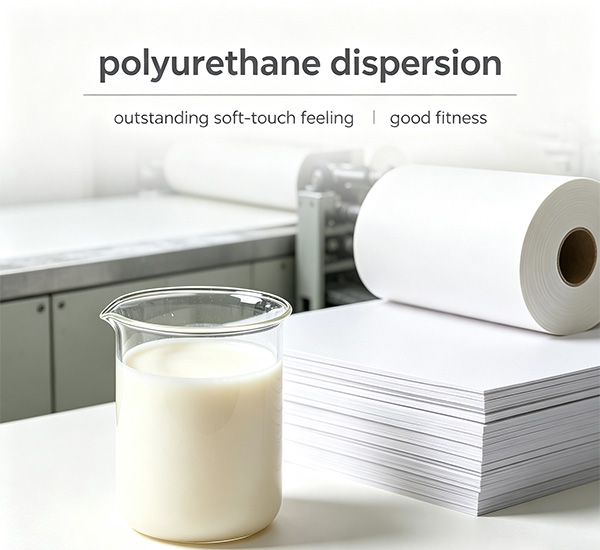
  • Achieving Superior Haptics on Plastics and Paper with Polyurethane Dispersion
    Achieving Superior Haptics on Plastics and Paper with Polyurethane Dispersion Jul 24, 2026
    Meeting the Rising Demand for Tactile Differentiation and Substrate Versatility In today's competitive coatings industry, surface appearance alone is no longer sufficient to distinguish branded products. Consumers increasingly evaluate products through tactile experience—the soft, velvety, or silky feel that communicates quality and sophistication. Simultaneously, coating manufacturers face the persistent challenge of formulating systems that perform reliably across diverse substrates, from low-surface-energy plastics to porous paper materials. These dual demands have accelerated the adoption of advanced water-based polyurethane dispersion technologies that deliver exceptional haptic performance while maintaining broad substrate compatibility. Traditional solvent-borne tactile coatings often achieve soft-touch effects by incorporating high levels of plasticizers or specialized additives. However, these approaches frequently compromise mechanical properties, leading to poor block resistance, inadequate scratch durability, or excessive surface tackiness. Moreover, tightening environmental regulations worldwide have pushed the industry toward low-VOC, solvent-free alternatives. This is where modern aqueous polyurethane binder systems offer a compelling solution, combining superior tactile qualities with robust film performance and environmental responsibility. RHERI® U222T has been specifically developed as a solvent-free polyurethane colloidal dispersion that addresses these market needs. Its unique formulation provides an optimal balance of soft-touch sensation, anti-blocking performance, scratch resistance, and adhesion to both plastic and paper substrates. This article explores the technology behind this product, its key performance attributes, and the diverse application scenarios where it adds tangible value. Why Soft-Touch Coatings Require More Than Just Additives Achieving a pleasant tactile feel is not simply a matter of incorporating slip agents or matting particles into a conventional coating. The haptic experience depends on a complex interplay of surface topography, film modulus, viscoelastic response, and surface energy. When a user runs a finger across a coated surface, the perceived softness arises from the film's ability to deform elastically under light pressure while recovering its original shape upon release—a characteristic governed by the polymer's glass transition temperature and crosslink density. Additive-based approaches often produce temporary or inconsistent tactile effects. Slip agents may migrate to the surface over time, altering the feel or causing blooming. Matting agents can compromise film clarity or create rough surfaces that feel gritty rather than smooth. In contrast, a properly engineered soft-feel polyurethane dispersion builds the tactile property directly into the polymer backbone. This ensures that the haptic character remains permanent, uniform, and reproducible across different coating thicknesses and application conditions. Furthermore, soft-touch coatings for plastic and paper substrates must satisfy additional performance criteria beyond aesthetics. They must resist blocking—the unwanted adhesion between coated surfaces when stacked or wound into rolls. They need to withstand abrasion from handling, packaging, and end-use contact. They must adhere firmly to substrates without requiring aggressive surface pretreatment, especially when dealing with non-polar plastics such as polyethylene or polypropylene. They should also maintain their properties under varying temperature and humidity conditions during storage and transport. All these requirements demand a carefully designed polymer system. RHERI® U222T, as a polyurethane film-forming dispersion, has been engineered to meet these challenges through precise control of its molecular architecture and particle characteristics. Distinctive Properties of RHERI® U222T for Plastic and Paper Coating Applications RHERI® U222T is a solvent-free, APEO-free, and NMP-free aqueous dispersion with a solids content of 30 ± 1%, a pH range of 7.5–9.5, and a Brookfield viscosity between 200 and 2000 mPa·s at 25 °C. Its milky white appearance and fine particle size distribution enable the formation of thin, transparent, or translucent films that preserve the substrate's visual characteristics while dramatically enhancing its tactile quality. One of the most notable features of this polyurethane aqueous emulsion is its exceptionally low film-formation temperature. This property allows coating on heat-sensitive substrates such as thin plastic films or delicate paper without thermal distortion or shrinkage, broadening the range of materials that can be successfully processed. The product's outstanding soft-touch feeling stems from its tailored soft-segment content. The polymer chains contain a precisely balanced ratio of hard and soft segments, providing a pleasant, silky haptic response. Unlike many conventional soft coatings that feel oily or sticky, RHERI® U222T delivers a dry, velvety touch that is highly desirable in consumer-facing applications. Equally important is its excellent anti-blocking performance. The cured film exhibits minimal surface tack even under moderate pressure and elevated temperatures, preventing adjacent surfaces from sticking during stacking, roll storage, or high-speed converting operations. This characteristic is particularly critical for paper coatings, where blocked sheets can cause production stoppages and waste. Scratch and abrasion resistance are additional strengths. The polymer's hard segments contribute to surface hardness that withstands everyday mechanical contact, while its inherent flexibility prevents brittle cracking. This balance ensures that the soft-touch effect remains intact even after repeated handling, making the coating suitable for products that experience frequent user interaction. From a formulation perspective, RHERI® U222T offers excellent compatibility with common pigments, fillers, rheology modifiers, and crosslinkers. Coating manufacturers can easily adjust gloss levels, opacity, color, and film hardness without losing the fundamental soft-touch character. When optional crosslinkers—such as water-dispersible isocyanates or aziridines—are introduced, the urethane dispersion can develop a three-dimensional network that further enhances chemical resistance, heat resistance, and mechanical toughness, expanding its utility in demanding applications. Broad Substrate Compatibility and Application Flexibility Plastic and paper substrates present distinct challenges for coating adhesion. Plastics such as PE, PP, PET, ABS, and PC are typically non-polar or low-energy surfaces, making wetting and bonding difficult without specialized primers or flame treatment. Paper, by contrast, is porous and hydrophilic, with high absorbency that can cause premature film penetration and surface roughness. RHERI® U222T has been formulated to address both substrate categories effectively. Its fine particle size and optimized surface chemistry promote excellent wetting on low-surface-energy plastics, achieving strong adhesion without the need for aggressive pretreatment. On paper substrates, the dispersion's controlled penetration rate prevents strike-through while ensuring uniform film coverage and a smooth, non-porous surface that enhances both appearance and protection. The product's viscosity range (200–2000 mPa·s) and shear-thinning rheology enable seamless integration into diverse coating lines. It performs well in conventional spray systems, roller coaters, gravure presses, and flexographic printing units. In spray applications, it produces fine, uniform atomization with minimal overspray. In roller coating, it levels effectively without sagging or orange-peel defects. In gravure and flexo processes, it transfers cleanly at high speeds, preventing print quality issues. Furthermore, RHERI® U222T exhibits good mechanical stability under shear stress, reducing the risk of coagulation during high-speed mixing or pumping. Its stable pH and particle size distribution within the recommended storage conditions (5–30 °C) ensure consistent performance over time, minimizing batch-to-batch variability and production interruptions. This reliability makes it a practical choice for both small-batch specialty coaters and large-scale industrial production lines. Key Applications Across Modern Industries The combination of outstanding soft-touch haptics, anti-blocking resistance, scratch durability, and broad substrate adhesion makes RHERI® U222T suitable for a wide array of applications, ranging from consumer electronics to luxury packaging. Consumer Electronics Enclosures and Accessories Smartphones, tablets, laptops, wearables, and audio devices are increasingly expected to deliver not only exceptional performance but also a premium tactile experience. RHERI® U222T serves as an ideal topcoat for plastic housings made of PC, ABS, PC/ABS blends, and nylon. The dispersion's ultrafine particle size and tailored soft-segment content provide a silky, velvety handfeel that significantly enhances user satisfaction, while its anti-blocking and scratch-resistant properties ensure the coating withstands daily handling and pocket abrasion. Premium Packaging and Luxury Paper Products Folding cartons, rigid boxes, gift wrappers, labels, and book covers benefit from the distinctive soft-touch finish offered by this polyurethane system. The coating preserves print clarity and color vibrancy while imparting a pleasant non-slip grip. Its outstanding block resistance prevents adjacent surfaces from sticking during stacking and transportation, a critical requirement for high-speed packaging lines. Additionally, the solvent-free, low-odor nature of the dispersion aligns with sustainable packaging initiatives and food-contact regulations upon appropriate formulation. Automotive Interior Trims and Components Instrument panels, door inserts, center consoles, and armrests made of PP, PVC, or TPO require coatings that reduce glare and improve passenger comfort. RHERI® U222T delivers a refined soft-touch surface with excellent abrasion and scuff resistance, ensuring long-lasting appearance under repeated contact and UV exposure. Its water-based formulation also reduces VOC emissions in cabin environments, helping manufacturers meet stringent automotive interior air quality standards. Fine Stationery, Cosmetics Packaging, and Specialty Paper Goods Premium pens, notebooks, cosmetic compacts, perfume boxes, and high-end gift cards demand a luxurious tactile experience combined with resistance to fingermarks and light scratches. The dispersion's low film-formation temperature allows coating on heat-sensitive substrates without distortion, and its transparency maintains underlying graphics and metallic effects. It can be easily tinted for custom colors, enabling creative designs with multi-layer effects. Flexible Films, Labels, and Shrink Sleeves For plastic films (PET, BOPP, PE) and self-adhesive label stock, this waterborne polyurethane dispersion provides a non-tacky soft-touch surface that does not interfere with printing or lamination. Its fine particle size and wetting properties enable high-speed gravure or flexographic coating, while its flexibility accommodates film elongation and bending without cracking. When crosslinked, it can withstand the hot-air tunnels used for shrink sleeve activation, delivering a durable finish that stands out on retail shelves. Storage, Handling, and Processing Recommendations To maintain the performance and stability of RHERI® U222T, proper storage and handling practices are essential. The product should be kept in its original, closed containers at a temperature between 5 °C and 30 °C. Under these conditions, it remains stable for six months from the delivery date. Freezing or prolonged exposure to temperatures above 30 °C can affect the dispersion's viscosity, average particle size, and may ultimately lead to sedimentation or coagulation. Contamination by bacteria, fungi, or algae can also cause irreversible damage. Therefore, it is recommended to use the material within the specified time frame and to avoid introducing foreign substances during handling. During formulation, the addition of co-solvents or coalescents should be carefully evaluated, as excessive amounts may plasticize the film and compromise anti-blocking performance. Pigments and fillers should be chosen for compatibility with the dispersion's ionic nature, and grinding processes should be conducted with minimal shear to maintain particle integrity. Crosslinker addition, if desired, should follow the supplier's recommended ratios and addition procedures to achieve optimal film properties. Conclusion As coating manufacturers continue to seek solutions that combine aesthetic excellence, mechanical durability, and environmental responsibility, advanced water-based polyurethane dispersion technologies have become indispensable. RHERI® U222T stands as a noteworthy example, delivering outstanding soft-touch haptics, excellent anti-blocking and scratch resistance, and broad substrate compatibility across plastics and papers. Its solvent-free, APEO-free, and NMP-free formulation supports sustainable coating development while enabling high-quality tactile finishes that enhance product differentiation. The product's fine particle size, controlled rheology, and mechanical stability facilitate seamless integration into a variety of coating lines, from spray booths to high-speed gravure presses. By addressing both consumer-driven tactile expectations and industrial performance requirements, RHERI® U222T provides coating formulators with a versatile and reliable material for packaging, electronics, automotive interiors, stationery, and specialty paper applications. Its balanced performance profile represents a meaningful step forward in the development of responsible, future-ready coating systems.  
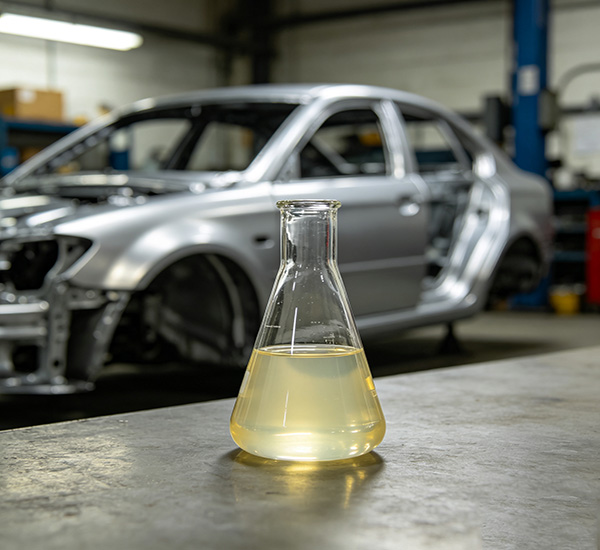
  • Water Based Polyurethane Dispersion for Durable Metal Protection
    Water Based Polyurethane Dispersion for Durable Metal Protection Jul 08, 2026
    Water Based Polyurethane Dispersion Enhances Long Lasting Corrosion Protection for Metal Coatings Metal corrosion remains one of the most significant challenges faced by manufacturers across industries. Whether it is industrial machinery, construction equipment, household appliances, transportation components, or fabricated steel structures, prolonged exposure to moisture, oxygen, chemicals, and ultraviolet radiation gradually degrades metal surfaces. Corrosion not only affects appearance but also reduces mechanical strength, increases maintenance costs, shortens service life, and compromises operational safety. As environmental regulations become increasingly stringent around the world, coating manufacturers are under growing pressure to replace traditional solvent-based technologies with environmentally responsible alternatives without sacrificing coating performance. This transition has accelerated the adoption of water-based polyurethane dispersion, which combines excellent protective properties with low volatile organic compound (VOC) emissions and safer production processes. Compared with conventional solvent-based polyurethane systems, modern waterborne polyurethane dispersion technologies offer a balanced combination of corrosion resistance, mechanical durability, flexibility, chemical resistance, and excellent adhesion to various substrates. These advantages have made waterborne polyurethane one of the fastest-growing resin technologies for industrial protective coatings. Why Corrosion Protection Requires More Than Just Surface Coverage Many people assume that corrosion protection simply depends on covering the metal surface with a coating film. In reality, long-term corrosion resistance depends on several interacting factors rather than film thickness alone. The coating must first provide excellent adhesion to the metal substrate. Poor adhesion allows water and oxygen to migrate beneath the coating, eventually leading to blistering, underfilm corrosion, and coating failure. Secondly, the coating must create an effective barrier against moisture, oxygen, salts, and aggressive chemicals. Water penetration is one of the primary causes of corrosion initiation, especially in humid climates, coastal regions, and industrial environments. Mechanical durability is equally important. During transportation, installation, or daily service, coated metal surfaces are frequently exposed to scratches, abrasion, and impacts. Once the coating film is damaged, localized corrosion can quickly spread beneath the surrounding coating. Another often-overlooked factor is coating flexibility. Metal substrates naturally expand and contract because of temperature fluctuations. Protective coatings that are excessively rigid may crack under thermal stress, creating pathways for corrosive media to reach the substrate. Therefore, an ideal protective coating should combine hardness with flexibility, strong adhesion with impact resistance, and barrier performance with long-term durability. Achieving this balance is one of the key advantages of advanced aqueous polyurethane dispersion technology. The Advantages of Water Based Polyurethane Dispersion in Metal Protection Modern water-based polyurethane chemistry has evolved significantly over the past decade. Continuous improvements in polymer design, particle stabilization, and crosslinking technology now enable waterborne systems to deliver performance approaching or even exceeding many solvent-based coatings. One of the greatest strengths of water-based polyurethane dispersion is its unique polymer structure. Polyurethane polymers contain both hard segments and soft segments that can be carefully adjusted during synthesis. Hard segments contribute to hardness, abrasion resistance, and chemical resistance, while soft segments provide elasticity and flexibility. This balanced molecular architecture allows protective coatings to maintain excellent mechanical properties without becoming brittle. In addition, polyurethane dispersions exhibit outstanding adhesion to a wide variety of substrates, including carbon steel, galvanized steel, aluminum, stainless steel, and numerous engineering plastics. Strong interfacial bonding minimizes coating delamination and helps maintain long-term corrosion protection even under demanding environmental conditions. Another important advantage is their excellent resistance to water and common industrial chemicals. Protective coatings based on high-quality polyurethane dispersions can effectively reduce water absorption, thereby slowing electrolyte penetration and delaying corrosion processes. This characteristic is particularly valuable for metal components operating in humid environments or exposed to occasional chemical contact. High abrasion resistance is another reason why polyurethane technology is widely adopted in industrial maintenance coatings. Equipment surfaces subjected to repeated mechanical wear require coatings capable of maintaining film integrity throughout their service life. Durable polyurethane films help reduce maintenance frequency while extending equipment longevity. RHERI™ U111 A Reliable Solution for Protective Metal Coatings Among various resin technologies available today, RHERI™ U111 has been specifically developed as a polyurethane dispersion for metal coatings requiring an excellent balance between mechanical performance and corrosion protection. According to its technical characteristics, RHERI™ U111 provides outstanding hardness while maintaining sufficient flexibility to withstand mechanical stress. It also demonstrates excellent abrasion resistance, water resistance, chemical resistance, and strong adhesion on multiple substrates including metal and plastic. Most importantly, it offers reliable corrosion resistance when formulated into protective metal coating systems, making it suitable for a broad range of industrial applications. Unlike many conventional resin systems that require compromises between hardness and flexibility, RHERI™ U111 is engineered to achieve both properties simultaneously. This balanced performance helps coating manufacturers formulate durable protective finishes that resist cracking, peeling, and premature coating failure under demanding service conditions. Furthermore, its water-based formulation supports the industry's ongoing transition toward environmentally responsible coating technologies by significantly reducing VOC emissions while improving workplace safety and regulatory compliance. Applications Across Modern Industries As manufacturing industries continue to pursue higher durability, lower environmental impact, and improved production efficiency, waterborne PU dispersion has become an increasingly attractive binder technology for protective metal coatings. Its versatility enables formulators to develop coating systems for a wide range of industrial sectors while meeting both performance and sustainability requirements. Industrial Equipment and Machinery Industrial machinery often operates in environments exposed to humidity, lubricants, cleaning chemicals, and continuous mechanical wear. Protective coatings must therefore resist corrosion while maintaining film integrity under repeated physical stress. A coating formulated with a high-performance polyurethane dispersion forms a dense and flexible protective film that minimizes moisture penetration and provides excellent resistance to abrasion. This helps reduce maintenance frequency and extends equipment service life, ultimately lowering operating costs for manufacturers and end users. Metal Furniture and Architectural Components Metal furniture, shelving systems, aluminum profiles, steel doors, windows, and architectural hardware require coatings that not only protect against corrosion but also maintain an attractive appearance over many years. Compared with conventional coatings, water-based polyurethane resin provides superior flexibility, allowing the coating to accommodate thermal expansion and contraction without cracking. Its excellent adhesion also reduces the risk of peeling or delamination, ensuring long-term decorative and protective performance in both indoor and outdoor environments. Home Appliances and Consumer Products Household appliances such as refrigerators, washing machines, air conditioners, microwave ovens, and metal cabinets demand coatings that combine durability with aesthetic quality. Consumers increasingly expect products to remain scratch-resistant and corrosion-free throughout years of daily use. Waterborne polyurethane coatings deliver smooth film formation, excellent surface hardness, and high abrasion resistance, making them an ideal solution for appliance manufacturers seeking both performance and environmentally responsible production. Transportation and General Industrial Manufacturing Automotive components, agricultural machinery, trailers, logistics equipment, and metal fabrication industries also benefit from advanced polyurethane dispersion technology. During transportation and outdoor service, coated metal surfaces encounter rain, humidity, temperature fluctuations, road salts, and occasional chemical exposure. A properly formulated polyurethane coating helps maintain coating adhesion and minimizes corrosion propagation, thereby improving product reliability and reducing long-term maintenance requirements. Formulation Considerations for Coating Manufacturers Selecting an appropriate resin is only one part of developing a successful metal protective coating. Formulators should also consider pigment selection, corrosion inhibitors, dispersants, wetting agents, defoamers, rheology modifiers, and suitable curing systems to achieve optimal coating performance. Compatibility between the polyurethane dispersion and other formulation components plays a crucial role in determining coating stability, gloss, mechanical properties, and corrosion resistance. Proper formulation design allows manufacturers to maximize the advantages of polyurethane technology while meeting specific application requirements. For high-performance industrial coatings, balancing hardness, flexibility, adhesion, chemical resistance, and weatherability remains the key objective. A high-quality resin provides the foundation upon which these performance characteristics can be achieved. Supporting Sustainable Coating Development The global coatings industry is steadily moving toward sustainable technologies that reduce environmental impact without compromising product quality. Waterborne polyurethane systems have become one of the most important solutions supporting this transition. Compared with traditional solvent-based coatings, waterborne systems significantly reduce VOC emissions, improve workplace safety, simplify regulatory compliance, and contribute to greener manufacturing processes. These benefits align with increasingly strict environmental regulations in North America, Europe, Southeast Asia, and many other international markets. As industrial customers continue to demand longer coating life cycles and lower maintenance costs, advanced water-based polyurethane dispersion technology will remain a key material for next-generation protective coatings. Conclusion Corrosion protection is no longer achieved simply by applying a thicker coating. Modern metal protection requires a carefully balanced combination of adhesion, flexibility, hardness, abrasion resistance, water resistance, and chemical resistance. RHERI™ U111 is designed to deliver this balance. With excellent hardness and flexibility, outstanding adhesion to metal and plastic substrates, superior abrasion resistance, and reliable corrosion protection, it provides coating manufacturers with a dependable resin solution for high-performance metal protective coatings. Its water-based formulation also supports sustainable coating development by reducing VOC emissions while maintaining excellent coating performance. These technical characteristics make RHERI™ U111 well suited for industrial equipment, metal furniture, home appliances, architectural hardware, and many other protective coating applications. As environmental regulations and performance expectations continue to evolve, water-based polyurethane dispersion technology will play an increasingly important role in helping coating manufacturers develop durable, environmentally responsible, and future-ready protective coating systems.
  • High Transfer Efficiency Waterborne Polyurethane Dispersion Promoting Transfer Coating Development
    High Transfer Efficiency Waterborne Polyurethane Dispersion Promoting Transfer Coating Development Jan 07, 2026
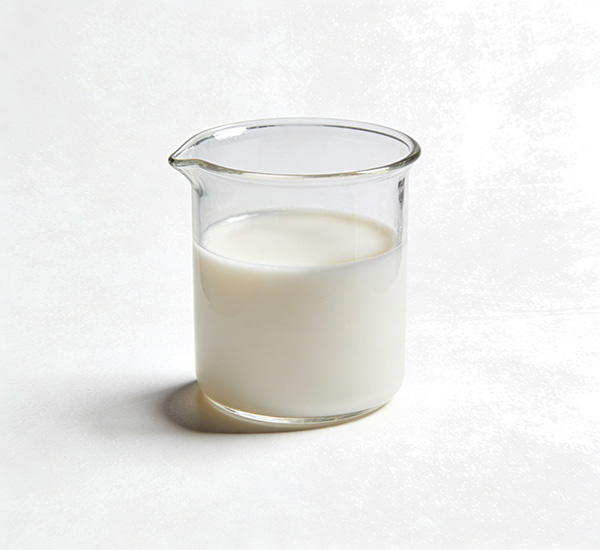
    Introduction to Waterborne Polyurethane Dispersions and Their Role in Transfer Coatings Waterborne polyurethane dispersions (PUDs) have become a cornerstone of eco-friendly industrial materials, with solvent-free variants gaining increasing traction due to their low environmental impact and adaptable performance. The waterborne polyurethane dispersion focused on herein is tailor-made for transfer coating applications, standing out with its exceptional high-temperature resistance and superior transfer efficiency. As the transfer coating industry pursues higher quality and greener production standards, this product’s inherent advantages perfectly align with market demands, emerging as a key driver for the sector’s technological advancement and sustainable development.   Core Performance Traits and Typical Specifications of High-Quality Dispersions This solvent-free waterborne polyurethane dispersion excels in two critical aspects for transfer coatings: outstanding high-temperature resistance and excellent transfer performance. Its high-temperature resistance ensures the coating maintains structural integrity and stable functionality even under extreme thermal conditions during processing or service, avoiding deformation or failure. Meanwhile, its superior transfer efficiency guarantees that the coating adheres evenly and smoothly to target substrates, minimizing defects such as unevenness or incomplete transfer. In terms of physical and chemical properties, the product presents as a milky semi-transparent liquid. It has a solids content of 35±1%, a pH value ranging from 7.0 to 9.0 (measured at 25°C), and a viscosity of less than 300 mPa·s (tested by Brookfield at 25°C). These well-calibrated specifications enhance its processability, enabling seamless integration into various transfer coating production lines and reducing operational complexities.   Versatile Application Fields Rooted in its robust performance, this waterborne polyurethane dispersion has carved out a wide range of applications in the transfer coating industry. In the packaging sector, it is extensively used for decorative transfer coatings on food packaging, gift boxes, and cosmetic containers, elevating product aesthetics while meeting environmental and safety standards. In the manufacturing of decorative films, it facilitates the precise transfer of intricate patterns and textures onto film substrates, supporting the production of high-end decorative materials for furniture, automobiles, and electronics. Additionally, it is well-suited for functional transfer coatings in industries such as textiles and leather, imparting properties like wear resistance and heat resistance to the treated surfaces. Its versatility enables it to meet the diverse technical requirements of different transfer coating scenarios, expanding the industry’s application boundaries.   Storage and Handling Guidelines Proper storage and handling are paramount to preserving the product’s stable performance. When stored in intact original packaging, the dispersion remains stable for 6 months at 20°C after the delivery date. The recommended storage temperature range is 5°C to 30°C. Exposure to freezing temperatures or storage above 30°C may alter the product’s viscosity and average particle size, potentially leading to sedimentation or coagulation, which compromises its usability. Furthermore, contamination by bacteria, fungi, or algae can cause irreversible damage to the product. Therefore, strict hygiene controls must be implemented during storage and use, and the product should be protected from extreme temperature fluctuations to ensure consistent performance. Conclusion This solvent-free waterborne polyurethane dispersion stands out in the transfer coating industry with its exceptional high-temperature resistance, superior transfer efficiency, and optimized physical and chemical properties. Its wide-ranging applications across packaging, decorative films, and functional surface treatment underscore its strong practical value and market potential. By adhering to the recommended storage and handling protocols, users can fully leverage its performance advantages, ensuring high-quality and stable production outcomes. As an eco-friendly and high-performance material, it not only meets the current demands for green manufacturing but also provides a reliable technical support for the future development of the transfer coating industry, driving the sector toward greater efficiency, sustainability, and innovation.
As a National High - tech Enterprise , we own brands like RHERI is popular in domestic markets China,but also our high - quality products have won overseas customer trust like Southeast Asia, the Middle East, South America, Africa and North America.
f LINKIDEN
Subscribe Our News
Please Read On, Stay Posted, Subscribe, And We Welcome You To Tell Us What You Think.

Sitemap Blog Xml Privacy Policy

Copyright @ Runshine New Materials(FoShan) Co.,Ltd. All Rights Reserved. Network Supported

leave a message

leave a message
If you are interested in our products and want to know more details,please leave a message here,we will reply you as soon as we can.
submit

home

products

WhatsApp

CONTACT

Leave A Message
Leave A Message
If you are interested in our products and want to know more details,please leave a message here,we will reply you as soon as we can.
submit