1
Home

Blog

Blog

  • Introduction Of  Waterborne Polyurethane Resin
    Introduction Of Waterborne Polyurethane Resin Oct 14, 2025
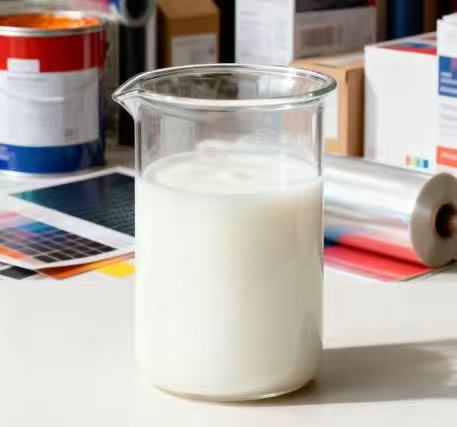
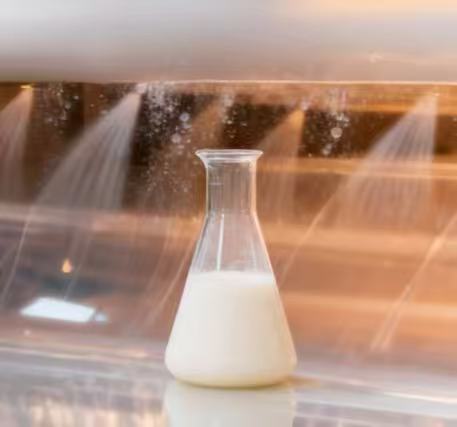
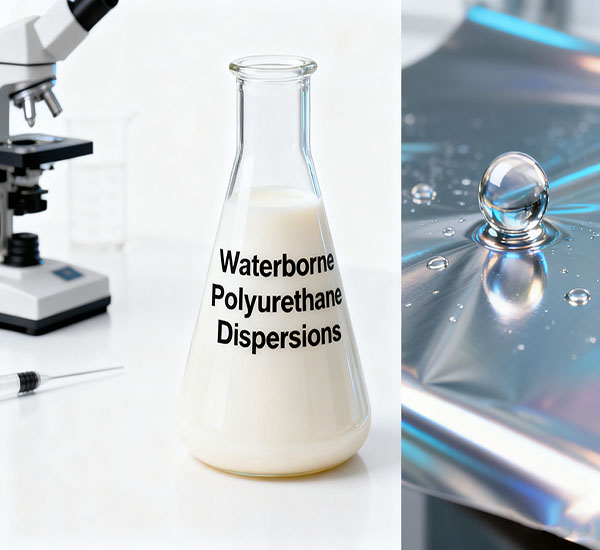
    What is Waterborne Polyurethane Resin   In recent years, as global environmental awareness grows and regulations on harmful substances tighten, waterborne polyurethane resin (WBPU) has become a popular alternative to traditional solvent-based polyurethane. It uses water instead of toxic solvents, making it safer and more eco-friendly. Let’s look at four key aspects of WBPU.   Waterborne polyurethane resin is a polymer material made by reacting specific compounds. Its main feature is using water as the dispersion medium. During production, additives help break the resin into small particles that spread evenly in water, forming a milky emulsion. When applied, water evaporates, and the particles join together to form a continuous film. This film keeps the good properties of traditional polyurethane, such as flexibility and adhesion, without the harm from solvent evaporation. Key Advantages of Waterborne Polyurethane Resin    It is safe for the environment. Since it uses water as the main medium, it releases almost no toxic substances, greatly reducing air pollution.  It protects human health. Workers are no longer exposed to harmful solvents, avoiding health issues like respiratory discomfort.  It has strong compatibility with various materials. It adheres well to wood, metal, plastic, fabric and leather, meeting different bonding and coating needs.  It is performance is highly adjustable. Manufacturers can adjust ingredients to enhance its water resistance for outdoor use or increase its hardness for furniture surfaces.  It is easy to use and maintain. It can be applied via spraying, brushing or rolling, and cleaning tools only requires water, cutting down post-operation costs. Typical Application Scenarios   Water based polyurethane dispersions is widely used in the coatings industry. For furniture, it creates a low-odor, scratch-resistant surface suitable for indoor spaces. In automotive manufacturing, it acts as base or clear coat, offering weather resistance and gloss retention while cutting harmful emissions. For architecture, it prevents peeling in interior and exterior wall paints, ensuring long-term durability. Beyond coatings, aquesous polyurethane resin serves in adhesives, sealants and textiles. As an adhesive, it bonds waterproof fabric without losing breathability, and replaces formaldehyde-based adhesives in woodworking. As a sealant, its elasticity resists cracking from temperature changes. In finishing, it makes leather softer and adds waterproof/anti-wrinkle functions to fabrics.   Conclusion   Waterborne polyurethane resin is a key material in the green chemical industry. Its eco-friendliness, adjustable performance and wide use make it essential for many enterprises to meet environmental rules and solve problems of traditional materials. Though it has room for improvement, like better performance in low temperatures, future advances in technology will make it more cost-effective and sustainable. As the world moves towards environmental protection, WBPU is not just a trend but a long-term solution that combines industrial development and green living. Understanding WBPU helps make more eco-friendly choices in daily life and work.  
  • The Power of Polyester Resin in Modern Coatings​
    The Power of Polyester Resin in Modern Coatings​ Sep 23, 2025
    Polyester resin is a staple in the coatings industry, with its versatility, reliable performance, and cost-effectiveness making it a go-to choice for formulators. Formed via polycondensation, this synthetic polymer creates durable finishes that adhere well to substrates like metals, wood, and plastics—serving sectors from automotive to furniture manufacturing, where Polyester resin consistently delivers results.​ ★Core Properties & Benefits of Polyester Resin​ 1. Versatility of Polyester Resin​ Polyester resin allows adjusting its molecular structure to create finishes from high-gloss to matte, fitting diverse coating needs.​ You can customize the hardness and flexibility of Polyester resin via monomer tweaks.​ Polyester resin works seamlessly with additives like pigments or UV stabilizers to enhance specific performance, making it adaptable to various project requirements.​ 2. Strong Physical Traits of Polyester Resin​ Adhesion: Polyester resin bonds well even under mechanical stress, minimizing peeling and ensuring long-lasting coating adherence to different substrates.​ Durability: Polyester resin withstands abrasion, impact, and daily wear—making it suitable for both indoor and outdoor coating applications.​ Surface Quality: Polyester resin offers excellent flow and leveling properties, leaving no brush marks or orange peel, which contributes to a smooth, professional-grade finish.​ 3. Protective Abilities of Polyester Resin​ Polyester resin resists chemicals such as industrial fluids, automotive oils, and household cleaners, effectively shielding the underlying substrate.​ Polyester resin provides good weatherability, including resistance to UV radiation and moisture penetration, which extends the lifespan of coated surfaces.​ Polyester resin is compatible with common application methods like spraying, brushing, or dipping, adding to its usability across different production setups.​ ★Key Applications of Polyester Resin​  Automotive Industry​   In the automotive sector, Polyester resin balances durability and aesthetics, resisting road debris, UV exposure, and automotive fluids.​ Fast-curing Polyester resin variants help speed up production lines, reducing bottlenecks in vehicle manufacturing.​ Polyester resin is used in automotive primers, basecoats, clearcoats, and even repair putties, playing a vital role in comprehensive vehicle finishing.​   Industrial Protection​   Polyester resin is widely used to shield industrial machinery, pipelines, and metal structures from corrosion, abrasion, and extreme temperatures—common challenges in factory, oil, and power industries. Customized Polyester resin formulations can be tailored to meet industry-specific standards, such as enhanced chemical resistance for pharmaceutical facility equipment or heat resistance for power plant components.​   Wood Finishing​   For furniture and wood applications, Polyester resin creates a range of finishes from high-gloss to matte, enhancing the natural wood grain while protecting against scratches, stains, and yellowing over time.​ Fast-drying Polyester resin options reduce production time for furniture manufacturers, and low-VOC Polyester resin variants meet strict environmental regulations for indoor use.​   ★Conclusion​ Polyester resin remains an essential material in the coatings industry, blending top-tier performance, wide versatility, and great cost-effectiveness. As coating technologies continue to evolve, Polyester resin is also advancing—with innovations in low-VOC formulations, faster curing times, and improved sustainability. This ensures that Polyester resin will stay a vital component for future coating applications, from electric vehicle coatings to high-quality furniture finishes and beyond.    
  • Advanced Composition and Properties of Waterborne Acrylic Emulsions
    Advanced Composition and Properties of Waterborne Acrylic Emulsions Sep 19, 2025
    Waterborne Acrylic Emulsion: Advanced Composition, Functional Performance, and Future Innovations   Waterborne acrylic emulsions represent a critical class of colloidal systems in which discrete acrylic polymer particles are stabilized in an aqueous continuous phase. These systems have gained prominence as sustainable alternatives to solvent-borne coatings due to their low volatile organic compound (VOC) content and compliance with increasingly stringent global environmental regulations. The continued evolution of waterborne acrylic emulsion technology reflects a convergence of polymer science, industrial requirements, and ecological responsibility.     Chemical Composition and Classification The performance of a waterborne acrylic emulsion is fundamentally governed by the selection and ratio of monomers, the emulsification system, and the polymerization process. Based on their chemical architecture, these emulsions can be categorized into several functional types: Pure Acrylic Emulsions Comprising monomers such as methyl methacrylate (MMA), butyl acrylate (BA), and acrylic acid (AA), pure acrylic emulsions exhibit superior UV stability, oxidative resistance, and color retention. The absence of hydrolytically sensitive esters contributes to their durability in exterior applications. Such emulsions are particularly suitable for long-term weatherable coatings where chalk resistance and gloss retention are required. Styrene-Acrylic Emulsions Introducing styrene into the copolymer composition enhances mechanical rigidity and reduces raw material costs. However, phenyl groups in styrene impart susceptibility to UV degradation, limiting use in indoor applications such as interior wall paints and paper coatings. Advancements in stabilization technologies have partially mitigated these issues, allowing expanded use under moderate exposure conditions. Functionalized and Crosslinkable Acrylic Emulsions Incorporation of functional monomers—hydroxyethyl acrylate (HEA), glycidyl methacrylate (GMA), or acetoacetoxyethyl methacrylate (AAEM)—enables post-crosslinking during film formation. These crosslinked networks improve solvent resistance, hardness, and tensile strength. Self-crosslinking systems using diacetone acrylamide (DAAM) with adipic dihydrazide (ADH) are also widely employed in high-performance industrial coatings.    Key Performance attributes and Application-Specific Design The formulation of waterborne acrylic emulsion must be tailored to application-specific requirements through careful control of particle size, glass transition temperature (Tg), minimum film-forming temperature (MFFT), and colloidal stability. Architectural Coatings In decorative paints, the balance between hardness and flexibility—modulated via Tg adjustment—is critical for crack resistance and dirt pickup resistance. High pigment binding capacity, alkaline resistance, and rheological control ensure uniform coverage and long-term service life on mineral substrates. Industrial and Protective Coatings For metal substrates, acrylic emulsions are often modified with phosphorous-based monomers or corrosion-inhibiting pigments to enhance anti-corrosive performance. Compatibility with polyurethane dispersions (PUDs) or epoxy hybrids further expands their utility in automotive, machinery, and coil coatings. Adhesives and Nonwovens Low-Tg emulsions facilitate low-pressure film formation and high tack in pressure-sensitive adhesives (PSAs). Particle size distribution and surfactant type are optimized to achieve balance between peel strength and shear resistance. In textile and fiber bonding, soft and flexible films provide mechanical durability without compromising hand feel.   Future Innovations and Technological Trends Ongoing research aims to transcend conventional performance boundaries and introduce multi-functional characteristics: Nanocomposite and Hybrid EmulsionsIntegration of nano-silica, ZnO, or layered silicates enhances barrier properties, scratch resistance, and thermal stability. Encapsulation of nano-additives within polymer particles improves dispersion stability and prevents agglomeration. Hybrid systems such as acrylic-siliconized emulsions are being developed for extreme weather resistance. Bio-based and Circular MaterialsEmulsions derived from bio-acrylic acid, itaconic acid, or lignin-based surfactants are gaining traction. Lifecycle assessment (LCA) and carbon footprint reduction are driving adoption in green building certifications such as LEED and BREEAM. Stimuli-Responsive and Smart CoatingspH-responsive, thermochromic, or self-healing waterborne acrylic emulsions represent the next frontier. Microencapsulated healing agents or conductive polymers (e.g., PEDOT:PSS) are incorporated for specialized applications in smart packaging and electronic coatings. Process and Regulatory AdvancementsAdvances in semi-batch and seeded emulsion polymerization allow better control over particle morphology and molecular weight distribution. Compliance with regulations such as REACH, EPA TSCA, and China GB 18582-2020 necessitates continuous reduction of residual monomers and APEO-free surfactants.   Conclusion Waterborne acrylic emulsions continue to evolve as a backbone of sustainable coating and adhesive systems. Their versatility stems from tunable chemistry and compatibility with a wide array of additives and modifiers. Future developments will likely focus on high-performance hybrid systems, intelligent functionalities, and deeper integration of circular economy principles. As material science and process technology advance, waterborne acrylic emulsions are expected to further displace solvent-based systems while enabling new applications in emerging industries.
  • Zero-VOC Waterborne PUD: Advanced Eco-Friendly Coating for Modern Industrial Applications
    Zero-VOC Waterborne PUD: Advanced Eco-Friendly Coating for Modern Industrial Applications Sep 12, 2025
      Zero-VOC Waterborne Polyurethane Dispersion (PUD) has become a transformative material in the global coatings industry, combining exceptional performance with strict environmental compliance. Unlike solvent-based polyurethane coatings that rely on volatile organic compounds (VOCs) for dispersion, Zero-VOC Waterborne PUD uses water as the primary dispersion medium, resulting in VOC levels below 5g/L—meeting rigorous standards such as the US EPA’s Title V and the European Union’s REACH regulation. This unique composition not only reduces air pollution and health risks but also preserves PUD’s core advantages: excellent adhesion, flexibility, and durability. As industries shift toward sustainable practices, Zero-VOC Waterborne PUD has emerged as a preferred choice, with its versatility expanding across architectural, industrial, and consumer goods coatings. Below is a detailed analysis of Zero-VOC Waterborne PUD’s types, application-specific properties, key chemical mechanisms, and future trends—all centered on PUD’s role as a game-changing eco-friendly coating. --   Types of Zero-VOC Waterborne PUD The classification of Zero-VOC Waterborne PUD is based on its molecular charge and functional groups, ensuring each variant aligns with specific coating requirements while maintaining Zero-VOC compliance. 1. Anionic Zero-VOC Waterborne PUD This is the most widely used PUD variant in coatings, characterized by anionic functional groups (e.g., carboxylate, sulfonate) covalently bonded to its polyurethane backbone. These groups create electrostatic repulsion between PUD particles, stabilizing their dispersion in water without the need for volatile co-solvents—critical for achieving Zero-VOC performance. Anionic Zero-VOC Waterborne PUD forms a smooth, uniform film with strong adhesion to substrates like wood, cotton, and concrete. Its film exhibits high flexibility and scrub resistance, making this PUD ideal for interior architectural coatings (e.g., wall paints, furniture finishes) where low odor and non-toxicity are essential. Additionally, the compatibility of anionic PUD with water-based additives (e.g., thickeners, pigments) allows for easy formulation customization, further expanding this PUD’s utility. 2. Cationic Zero-VOC Waterborne PUD Cationic Zero-VOC Waterborne PUD carries positive charges (e.g., quaternary ammonium groups) in its structure, making it highly suitable for substrates with negative surface charges, such as paper, synthetic fibers (e.g., polyester), and metal oxides. This PUD exhibits superior wetting properties, ensuring even spread on porous or uneven surfaces— a key advantage for coating applications like paper packaging or metal pre-treatment. Cationic Zero-VOC Waterborne PUD also delivers excellent antistatic performance and enhanced water/chemical resistance compared to anionic PUD. While its production cost is higher, this PUD is indispensable in sensitive sectors (e.g., food-contact coatings, medical device coatings) where Zero-VOC compliance and substrate compatibility are non-negotiable. 3. Non-Ionic Zero-VOC Waterborne PUD Non-Ionic Zero-VOC Waterborne PUD lacks charged groups, relying instead on hydrophilic segments (e.g., polyethylene oxide chains) to achieve water dispersion. This PUD boasts exceptional compatibility with both anionic and cationic systems, making it a versatile additive in mixed-formula coatings (e.g., multi-layered leather finishes). Non-ionic PUD is highly resistant to electrolyte interference, ensuring stable dispersion even in high-salt environments (e.g., coastal architectural coatings). Its low foaming tendency and excellent film transparency also make this PUD a top choice for clear coatings (e.g., wood varnishes, plastic protective coatings) where Zero-VOC compliance and aesthetic clarity are prioritized.     Application-Specific Advantages of Zero-VOC Waterborne PUD in Coatings TZero-VOC Waterborne PUD’s success stems from its ability to address industry-specific challenges while maintaining eco-friendliness. Below are its key applications in the coatings sector, each leveraging unique PUD properties:   1. Architectural Coatings In architectural coatings, Zero-VOC Waterborne PUD delivers a balance of performance and safety. When formulated into wall paints or ceiling coatings, PUD forms a breathable yet moisture-resistant film—thanks to the hydrophilic polyurethane segments in PUD that repel liquid water but allow water vapor transmission. This prevents mold growth in humid environments (e.g., bathrooms, basements). Unlike solvent-based alternatives, Zero-VOC Waterborne PUD emits no harmful fumes during application, making it safe for schools, hospitals, and nurseries. Additionally, PUD-based architectural coatings offer excellent color retention: the cross-linked polyurethane network in PUD’s film resists UV-induced degradation, ensuring the coating retains its hue for 5–10 years without chalking or fading.   2. Industrial Metal Coatings Zero-VOC Waterborne PUD is revolutionizing industrial metal coatings by combining corrosion protection with eco-friendliness. When applied to steel, aluminum, or galvanized metals, PUD forms a dense, cross-linked film that acts as a barrier against oxygen, water, and corrosive ions (e.g., chloride). This PUD’s flexibility prevents film cracking during metal thermal expansion (e.g., automotive engine parts, outdoor HVAC units), a common failure point for rigid solvent-based coatings. Zero-VOC Waterborne PUD also cures at lower temperatures (60–80°C) compared to traditional metal coatings, reducing energy consumption in manufacturing— further enhancing this PUD’s sustainability credentials.   3. Wood & Furniture Coatings For wood and furniture coatings, Zero-VOC Waterborne PUD enhances both aesthetics and durability. This PUD penetrates wood pores slightly, accentuating the natural grain while forming a scratch-resistant film (hardness up to 2H on the pencil scale). Zero-VOC Waterborne PUD dries quickly (touch-dry in 30 minutes, fully cured in 24 hours), shortening production cycles for furniture manufacturers. Unlike solvent-based wood coatings, PUD-based formulations do not yellow over time—preserving the wood’s natural color or painted finish. This makes Zero-VOC Waterborne PUD the preferred choice for high-end furniture, children’s toys, and indoor cabinetry where Zero-VOC compliance and long-term appearance are critical.     Key Chemical Mechanisms Ensuring Zero-VOC Waterborne PUD Performance The superior performance of Zero-VOC Waterborne PUD in coatings is rooted in its unique chemical structure and behavior:     1. Dispersion Stability of PUD Zero-VOC Waterborne PUD’s stability relies on the balance between particle charge (anionic/cationic) or hydrophilic segments (non-ionic) and van der Waals forces. PUD particles typically range from 50–300 nm in diameter— a size that ensures tight packing during film formation. Stabilizers adsorbed on PUD particle surfaces prevent aggregation, ensuring consistent coating thickness and gloss. A stable PUD dispersion is critical: any particle clumping would lead to uneven film formation and reduced adhesion.   2. Film Formation of PUD PUD film formation occurs in three stages: (1) Water evaporation, which concentrates PUD particles; (2) Particle fusion, where PUD particles deform and merge as polyurethane chains diffuse across particle boundaries; (3) Cross-linking, where reactive groups in PUD (e.g., hydroxyl, isocyanate) react to form a three-dimensional network. This cross-linked structure enhances PUD film’s mechanical strength, chemical resistance, and durability— key to its performance in demanding coatings.   3. Zero-VOC Compliance of PUD Zero-VOC Waterborne PUD achieves low VOC levels by eliminating volatile solvents entirely. Instead of relying on solvents to dissolve polyurethane, PUD uses water and small amounts of non-volatile co-solvents (e.g., glycerol) to aid dispersion. This not only meets global emission standards but also reduces the risk of fire (unlike flammable solvent-based coatings)— a major safety benefit in manufacturing and application.     Future Trends in Zero-VOC Waterborne PUD Coating Technology As industries demand higher performance and sustainability, Zero-VOC Waterborne PUD development is focusing on three key directions:   1. Bio-Based Zero-VOC Waterborne PUD Research is accelerating the shift to bio-based PUD, using renewable raw materials (e.g., castor oil polyols, soybean oil polyols) instead of fossil fuel-derived polyols. Bio-based Zero-VOC Waterborne PUD reduces carbon footprints by 30–50% compared to conventional PUD and enhances biodegradability— making it suitable for disposable coatings (e.g., packaging) or temporary protective films. This PUD retains all core properties (adhesion, flexibility) while offering a more circular solution.   2. Nanomodified Zero-VOC Waterborne PUD Incorporating nanomaterials (e.g., nano-silica, graphene oxide) into Zero-VOC Waterborne PUD is a game-changer for high-performance coatings. Nano-silica enhances PUD film’s scratch resistance (up to 4H hardness), while graphene oxide improves corrosion protection for metal coatings. Nanomodified PUD is already used in electronic device coatings (e.g., smartphone casings) and automotive clear coats— where durability and eco-friendliness are equally important.   3. Smart Zero-VOC Waterborne PUD Smart PUD coatings with functional properties are emerging. For example, self-healing PUD uses microcapsules filled with polyurethane monomers: when the film is scratched, capsules rupture, and monomers react to repair damage. Thermochromic PUD incorporates temperature-sensitive pigments, allowing coatings to change color (e.g., for smart building exteriors). These innovations expand PUD’s application beyond traditional coatings into high-tech sectors.     Conclusion   Zero-VOC Waterborne PUD has redefined eco-friendly coatings by proving that sustainability does not require sacrificing performance. Its diverse types (anionic, cationic, non-ionic) cater to specific substrate needs, while its application across architectural, industrial, and furniture coatings highlights PUD’s versatility. The chemical mechanisms behind PUD’s dispersion stability, film formation, and Zero-VOC compliance ensure its reliability in demanding environments. As bio-based, nanomodified, and smart PUD technologies advance, Zero-VOC Waterborne PUD will continue to lead the coatings industry toward a greener future. For manufacturers and end-users alike, Zero-VOC Waterborne PUD is not just a coating material—it is a solution that aligns with global sustainability goals while delivering the performance that modern industries demand. PUD’s role as a cornerstone of eco-friendly coatings is set to grow, shaping the industry for decades to come.      
  • Aqueous Polyurethane Dispersion Resin: Revolutionizing the Performance and Sustainability of Modern Inks
    Aqueous Polyurethane Dispersion Resin: Revolutionizing the Performance and Sustainability of Modern Inks Sep 12, 2025
    What is Aqueous Polyurethane Dispersion Resin? An Aqueous Polyurethane Dispersion Resin is a colloidal suspension of polyurethane polymer particles in water, rather than in a volatile organic solvent. These dispersions are typically synthesized through a process that creates polyurethane polymers with internal emulsifiers, allowing them to be stably dispersed in water. The absence of organic co-solvents (or their significant reduction) is a key differentiator, making Aqueous Polyurethane Dispersion Resin a foundational component for environmentally friendly formulations.   Key Advantages and Characteristics in Ink Applications The adoption of Aqueous Polyurethane Dispersion Resin in ink formulations brings a multitude of advantages across technical, environmental, and application-specific domains. 1. Superior Environmental and Safety Profile (Eco-Friendliness)The most prominent advantage of using an Aqueous Polyurethane Dispersion Resin is its dramatically reduced Volatile Organic Compound (VOC) and Hazardous Air Pollutant (HAP) content. This aligns perfectly with global regulations like REACH and consumer preferences for "green" products. It enhances workplace safety by minimizing exposure to harmful solvents, reduces flammability risks, and simplifies disposal and cleanup with water. 2. Exceptional Flexibility and ElasticityInks, especially those applied to flexible substrates like plastic films, packaging materials, textiles, and leather, are subjected to constant bending, folding, and stretching. The molecular structure of Aqueous Polyurethane Dispersion Resin provides outstanding flexibility and elongation at break. This ensures that the ink film does not crack, craze, or lose adhesion when the substrate is deformed, which is a common failure point for more rigid resin systems. 3. Outstanding Abrasion and Scratch ResistanceDespite being water-based, inks formulated with high-quality Aqueous Polyurethane Dispersion Resin exhibit remarkable toughness. The cured film offers excellent resistance to abrasion, scuffing, and marring. This is a critical property for applications where the printed surface must withstand handling, transportation, and everyday use, such as in packaging, book covers, and decorative laminates. 4. Excellent Adhesion to Diverse SubstratesThe versatile chemistry of Aqueous Polyurethane Dispersion Resin allows formulators to tailor products for adhesion to a wide range of challenging surfaces. This includes various plastics (PVC, PET, PE with corona treatment), metals, treated glass, and wood. The resin's inherent adhesion properties help create robust and durable ink layers that resist delamination. 5. High Chemical and Water ResistanceA well-formulated ink based on Aqueous Polyurethane Dispersion Resin can achieve excellent resistance to water, oils, greases, and many chemicals once fully cured. This makes it ideal for food packaging inks that may encounter moisture or grease, as well as for industrial applications where resistance to solvents or cleaning agents is required. 6. Enhanced Printability and Film PropertiesInks utilizing Aqueous Polyurethane Dispersion Resin often demonstrate excellent rheological properties, providing good leveling and flow for a smooth, uniform print finish. They can deliver high gloss, clarity, and transparency, which is essential for overprint varnishes and vibrant graphic inks. The film-forming characteristics of this Aqueous Polyurethane Dispersion Resin contribute to a continuous, strong, and durable final layer. Application Areas Flexographic and Gravure Inks: Particularly for flexible packaging (food and non-food). Digital Inks (Inkjet): As a key component in water-based inkjet inks for textiles, packaging, and signage, providing flexibility and adhesion. Screen Printing Inks: For textiles (e.g., sportswear), posters, and point-of-sale (POS) displays. Overprint Varnishes (OPV): Providing a protective, high-gloss, or matte topcoat. Primers and Adhesion Promoters: Enhancing the bond between the substrate and subsequent ink layers. Conclusion Aqueous Polyurethane Dispersion Resin is far more than just a substitute for solvent-based systems. It is a high-performance enabler that allows ink formulators to meet the dual challenges of sustainability and advanced performance head-on. Its unparalleled combination of flexibility, durability, adhesion, and eco-friendliness solidifies the role of Aqueous Polyurethane Dispersion Resin as a critical raw material in the present and future of the ink industry. As technology advances, we can expect even more innovative and specialized grades of this versatile Aqueous Polyurethane Dispersion Resin to continue driving innovation in printing.
  • How To Choose Water Based Polyurethane Dispersion PUD?
    How To Choose Water Based Polyurethane Dispersion PUD? Aug 01, 2025
        Water Based Polyurethane Dispersion: Types, Application Properties, and Future Trends   Water based polyurethane dispersion, often referred to as WBPU dispersion, has become a cornerstone in themodern coatings and adhesives industries, thanks to its excellent performance and eco-friendly attributes.Unlike solvent-based alternatives, this polyurethane dispersion relies on water as the dispersion medium,making it low in volatile organic compounds (VOCs) and compliant with global environmental regulations. As demand for sustainable materials grows, the versatility of water based polyurethane dispersion continues to expand, with different types tailored to meet specific application needs—each highlighting unique characteristics that make the polyurethane dispersion a preferred choice across sectors.      Types of Water Based Polyurethane Dispersion The classification of water based polyurethane dispersion is primarily based on its chemical structure and functional properties, ensuring each polyurethane dispersion type aligns with targeted industry requirements. Anionic Water Based Polyurethane Dispersion This is the most common type of polyurethane dispersion, characterized by anionic groups (such as carboxylate or sulfonate) in its molecular chain. These groups enable stable dispersion in water, giving the polyurethane dispersion good compatibility with other water-based additives. Anionic water based polyurethane dispersion offers strong adhesion to various substrates, including wood, fabric, and plastic, and is widely used in coatings and adhesives where flexibility and durability are key. Its ability to form a smooth, uniform film further solidifies this polyurethane dispersion as a go-to option for consumer and industrial products.       Cationic Water Based Polyurethane Dispersion Cationic water based polyurethane dispersion carries positive charges in its structure, making it ideal for substrates with negative surface charges, such as paper and some synthetic fibers. This polyurethane dispersion exhibits excellent wetting properties, ensuring it spreads evenly on porous materials, and provides superior antistatic performance—an advantage in textile and paper coating applications. Compared to anionic variants, cationic polyurethane dispersion often has better resistance to water and chemicals, though it is less commonly used due to higher production costs.         Non-Ionic Water Based Polyurethane Dispersion Non-ionic water based polyurethane dispersion lacks charged groups, relying instead on hydrophilic segments (like polyethylene oxide) for water dispersion. This polyurethane dispersion boasts excellent compatibility with both anionic and cationic systems, making it a versatile additive in mixed-formula products. It is particularly valued for its resistance to electrolyte interference, which ensures the polyurethane dispersion remains stable even in high-salt environments. Non-ionic polyurethane dispersion is often used in leather finishing and textile coatings where formulation flexibility is critical. Application-Specific Properties of Water Based Polyurethane Dispersion The success of water based polyurethane dispersion stems from its ability to adapt to diverse industries, with each application leveraging unique properties of the polyurethane dispersion to solve specific challenges. 1. Coatings Industry In wood coatings, water based polyurethane dispersion forms a tough, scratch-resistant film that enhances the natural grain of wood while protecting it from moisture and UV damage. This polyurethane dispersion dries quickly, reducing production time for furniture manufacturers, and its low VOC content makes it suitable for indoor use. For metal coatings, water based polyurethane dispersion provides excellent corrosion resistance, adhering tightly to metal surfaces even in harsh industrial environments—its flexibility prevents cracking as the metal expands or contracts.   2. Adhesives Sector Water based polyurethane dispersion is a key component in eco-friendly adhesives, offering strong bonding strength for materials like paper, fabric, and plastic. This polyurethane dispersion forms a flexible bond that withstands repeated bending, making it ideal for packaging and textile lamination. Unlike solvent-based adhesives, the low odor of this polyurethane dispersion ensures safe use in food packaging and consumer goods, meeting strict health standards. 3. Textile and Leather Industries In textiles, water based polyurethane dispersion imparts water repellency and softness to fabrics, without compromising breathability. This polyurethane dispersion coats individual fibers evenly, enhancing the fabric’s durability while maintaining its comfort. For leather finishing, water based polyurethane dispersion creates a smooth, glossy surface that resists stains and scratches—its ability to adjust to the leather’s texture ensures a natural-looking finish. The versatility of this polyurethane dispersion allows manufacturers to customize leather products for fashion, automotive, and furniture applications.   Future Technology Trends of Water Based Polyurethane Dispersion As industries prioritize sustainability and performance, the development of water based polyurethane dispersion is moving toward three key directions, each aimed at enhancing the value of the polyurethane dispersion. 1. High-Performance Modification Future research will focus on improving the mechanical and chemical resistance of water based polyurethane dispersion. By incorporating nanomaterials (such as silica or graphene) into the polyurethane dispersion, manufacturers can boost its scratch resistance and thermal stability—making it suitable for high-demand applications like automotive coatings and electronic device protection. Additionally, modifying the molecular structure of the polyurethane dispersion to enhance its UV resistance will extend its lifespan in outdoor use, reducing the need for frequent reapplication.   2. Bio-Based and Recyclable Formulations With growing concerns about carbon footprints, the shift toward bio-based water based polyurethane dispersion is accelerating. Using renewable raw materials (such as plant-based polyols) to produce the polyurethane dispersion will reduce reliance on fossil fuels and lower the product’s environmental impact. Furthermore, developing recyclable water based polyurethane dispersion—where the film can be broken down and reused—will address waste issues in industries like packaging and textiles, making the polyurethane dispersion a more circular solution.   3. Smart Functionalities The integration of smart properties into water based polyurethane dispersion is another emerging trend. For example, developing a self-healing polyurethane dispersion that can repair small scratches when exposed to heat or light will reduce maintenance costs for coatings and adhesives. Additionally, incorporating conductive additives into the polyurethane dispersion could enable its use in flexible electronics, such as wearable devices, where a thin, conductive film is required. These innovations will expand the application scope of water based polyurethane dispersion beyond traditional sectors.   Conclusion Water based polyurethane dispersion has established itself as a versatile, eco-friendly material that drives innovation across coatings, adhesives, textiles, and leather industries. Each type of polyurethane dispersion—from anionic to non-ionic—offers tailored properties to meet specific application needs, while its low VOC content and high performance make it a sustainable alternative to solvent-based products. As technology advances, the future of water based polyurethane dispersion lies in high-performance modification, bio-based formulations, and smart functionalities—ensuring the polyurethane dispersion remains at the forefront of sustainable material development. For businesses seeking reliable, efficient, and eco-friendly solutions, water based polyurethane dispersion continues to be a top choice, with its adaptability and performance set to shape industries for years to come.
1 2 3

A total of3pages

As a National High - tech Enterprise , we own brands like RHERI is popular in domestic markets China,but also our high - quality products have won overseas customer trust like Southeast Asia, the Middle East, South America, Africa and North America.
f LINKIDEN
Subscribe Our News
Please Read On, Stay Posted, Subscribe, And We Welcome You To Tell Us What You Think.

Sitemap Blog Xml Privacy Policy

Copyright @ Runshine New Materials(FoShan) Co.,Ltd. All Rights Reserved. Network Supported

leave a message

leave a message
If you are interested in our products and want to know more details,please leave a message here,we will reply you as soon as we can.
submit

home

products

WhatsApp

CONTACT

Leave A Message
Leave A Message
If you are interested in our products and want to know more details,please leave a message here,we will reply you as soon as we can.
submit