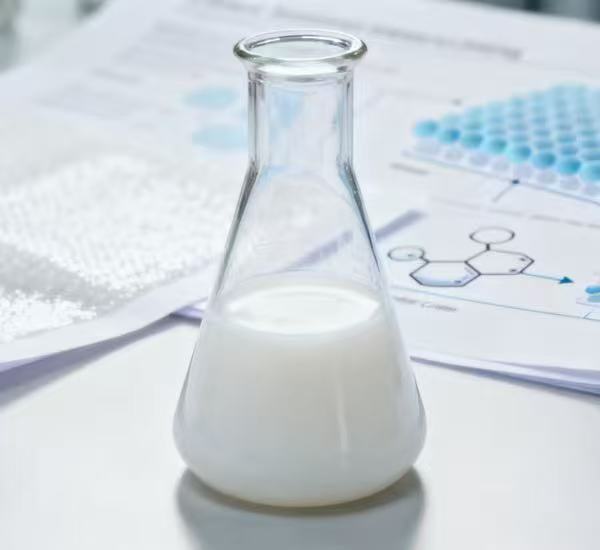
Waterborne acrylic emulsion has emerged as a cornerstone material in the packaging industry, addressing the urgent need for barrier solutions that balance performance, sustainability, and cost-efficiency. As global markets shift toward eco-friendly packaging alternatives, Waterborne Acrylic Emulsion stands out by replacing solvent-based barrier coatings with water as the dispersion medium, aligning with stringent environmental laws and the circular economy framework. Its exceptional combination of adhesion, flexibility, and tailored barrier performance makes it ideal for enhancing packaging substrates to resist moisture, oxygen, oils, and chemical contaminants. This article delves into the product overview, key features, application processes, and core benefits of Waterborne Acrylic Emulsion in packaging barrier applications.
Item No :
Waterborne Acrylic EmulsionApplication :
Prepare packaging substrates, apply coatings, dry, and optionally cure to achieve targeted barrier properties.Special Feature :
Eco-friendly, adaptable, substrate-compatible, and cost-efficient barrier solutions for packaging.Product Overview
Waterborne acrylic emulsion refers to water-based film-forming polymers engineered specifically to elevate the barrier characteristics of diverse packaging substrates, including paper, paperboard, and flexible plastic films. Compatible with a wide range of packaging grades—from lightweight flexible packaging to heavy-duty rigid packaging—Waterborne Acrylic Emulsion integrates smoothly into existing packaging production lines. This compatibility ensures that packaging performance is upgraded without compromising the inherent physical and functional traits of the base substrate, meeting the industry’s demand for packaging that withstands external hazards while adhering to global sustainability benchmarks. Waterborne Acrylic Emulsion is designed to deliver consistent barrier protection across different packaging formats, making it a versatile choice for manufacturers aiming to improve product shelf life and reduce environmental footprint.
--------------占位---------------
Key Features
◊ Sustainability and Environmental Compliance: Waterborne Acrylic Emulsion eliminates the use of volatile organic compounds (VOCs) and hazardous solvents, significantly lowering environmental impact and workplace safety risks. This aligns with carbon reduction initiatives and enables manufacturers to meet regional and international environmental regulations. Additionally, Waterborne Acrylic Emulsion is compatible with recycling and composting processes for packaging, minimizing waste throughout the product lifecycle and supporting circular economy goals.
◊ Versatility Across Packaging Types: Waterborne Acrylic Emulsion caters to nearly all packaging segments, including food and beverage packaging, pharmaceutical packaging, personal care product packaging, and industrial packaging. Customizable formulations of Waterborne Acrylic Emulsion can be tailored to specific barrier requirements, ranging from basic moisture resistance for dry goods packaging to high-performance oxygen and aroma barrier for perishable food and beverage containers.
◊ Preservation of Substrate Inherent Properties: Coatings based on Waterborne Acrylic Emulsion do not alter the core characteristics of packaging substrates—such as printability, flexibility, lightweight nature, or recyclability. This ensures that packaged products remain easy to handle, print, and shape, while still maintaining robust barrier performance against external contaminants.
◊ Cost-Effectiveness: Compared to specialty barrier materials like plastic laminates or wax coatings, Waterborne Acrylic Emulsion offers competitive pricing and lower operational costs. Its application processes are compatible with existing packaging production equipment, eliminating the need for costly capital investments in new machinery and reducing downtime during production line transitions.
|
Parameter |
Typical Value |
Unit |
Notes |
|
Appearance |
Colorless and transparent |
– |
Visual inspection |
|
Solid Content |
24-41 |
% |
Can be adjusted for formulation |
|
Viscosity (25°C, Brookfield RV) |
200-500CPS (25 ℃) |
mPa·s |
Spindle 3, 20 rpm |
|
Color |
<1 # (Fe-Co) |
/ |
/ |
|
Density (25°C) |
1.05–1.15 |
g/cm³ |
Typical value |
|
Recommended Solvents |
Water |
– |
For formulation compatibility |
|
Shelf Life |
12 |
months |
Stored in sealed containers at 5–35°C |
|
Storage |
Cool, dry place |
– |
Avoid direct sunlight and moisture |
| Waterborne Acrylic Emulsion | |||||||
| Model | Type |
Tg(℃) | mfft(℃) | Viscosity(mpa.s/25℃) | Soild Content % | pH Value | Character |
| RHERI®A1303 | Water-based acrylic colloid liquid |
<7 | <500 | 40±1 | 7.0-8.0 | A water-based acrylic semi-colloidal solution. Can be combined with 6037 to improve low-temperature heat sealing fastness. Also have good barrier effect when combined alone with carbodiimide. | |
| RHERI®9020 | Water-based acrylic colloid liquid |
29 | 10 | <500 | 40±1 | 4.5-6.5 | An aqueous colloid that requires alkali neutralization. The water resistance and resolubility can be adjusted with ammonia and amines with different boiling points. Also can be neutralized with NaOH to make water-washable coating. After high-temperature baking and decomposition, there is no residual carbonized black matter, so it can be used as colored connecting material for glass ceramics. Also can be used as resin for grinding color paste. |
| RHERI®9025 | Water-based acrylic colloid liquid |
29 | 10 | <200 | 24±1 | 8.0-9.5 | A product of 9020 neutralized with ammonia. It has good compatibility with water-based polyurethane, can be used as economical matte oil when combined with water-based self-extinction PUD. |
| For more product list in detail ,pls feel free to contact us | |||||||
Applications
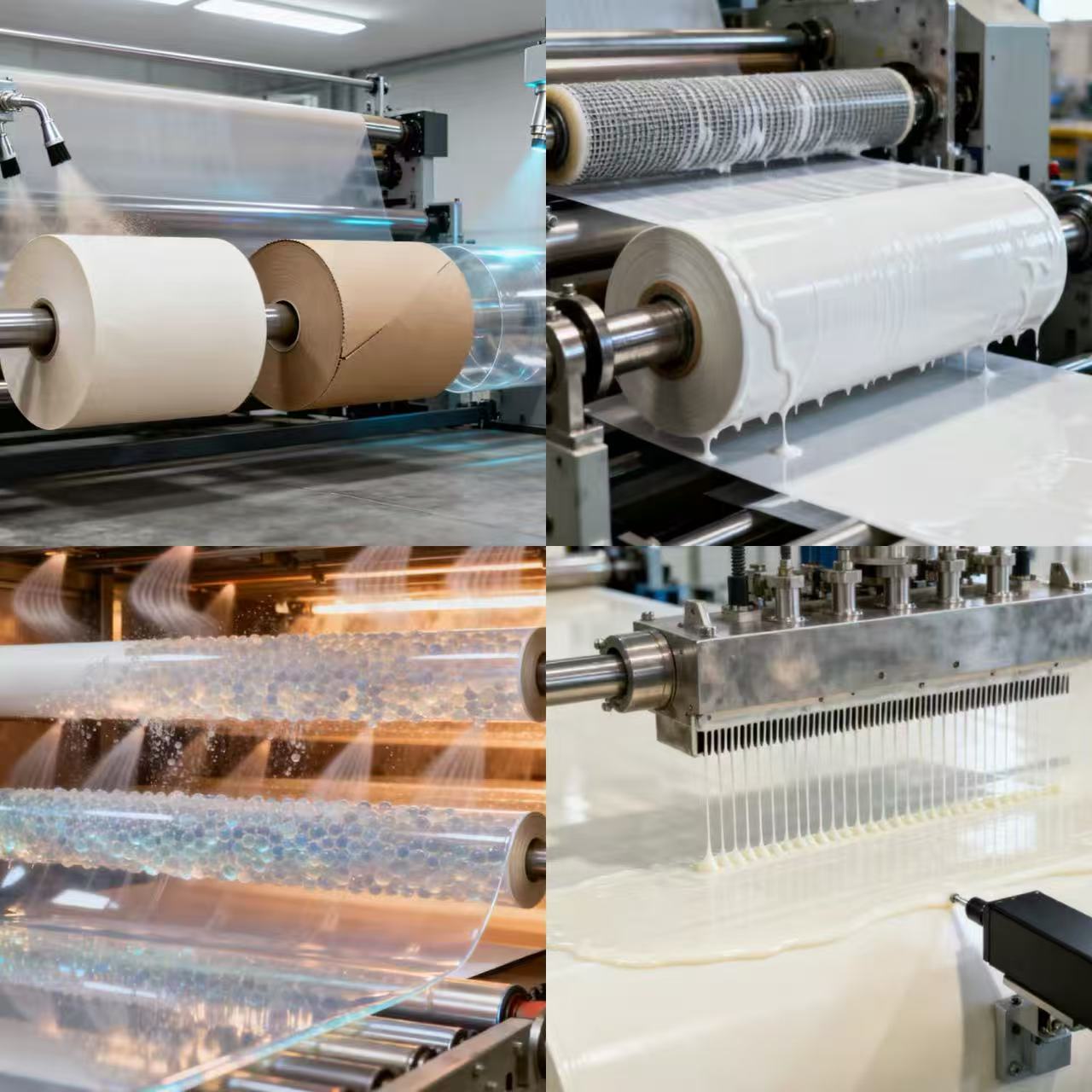
◊ Substrate Preparation: Packaging substrates (paper, paperboard, plastic films) are first cleaned to remove dust, grease, and other impurities that may hinder coating adhesion. Optional surface treatments, such as plasma treatment or corona discharge, may be applied to increase surface energy, ensuring optimal wetting and uniform film formation of Waterborne Acrylic Emulsion on the substrate surface.
◊ Coating Application Methods: Common application techniques for Waterborne Acrylic Emulsion include gravure coating, flexographic coating, spray coating, and slot die coating. Gravure coating is widely used for high-volume flexible packaging production due to its precision and consistency, while slot die coating is preferred for rigid packaging substrates requiring uniform thick films. The coating weight of Waterborne Acrylic Emulsion is adjusted according to the desired barrier level, typically ranging from 2 to 30 grams per square meter.
◊ Drying and Film Formation: After application, the coated packaging substrate is passed through a controlled drying system where water evaporates, and the acrylic polymer particles fuse to form a continuous, uniform barrier film. Drying temperatures and air flow rates are optimized to prevent substrate warping, coating cracking, or incomplete film formation, ensuring the Waterborne Acrylic Emulsion coating achieves maximum barrier performance.
◊ Post-Treatment (Optional): For high-performance barrier requirements, post-treatment processes such as heat curing or electron beam crosslinking may be applied to enhance the density and crosslinking of the Waterborne Acrylic Emulsion film. This step further improves the coating’s resistance to mechanical stress, temperature fluctuations, and chemical exposure, extending the service life of the packaged product.
Benefits
◊ Streamlined Production: Waterborne Acrylic Emulsion integrates seamlessly with existing packaging manufacturing equipment, reducing the need for expensive upgrades or dedicated production lines, and minimizing production disruptions.
◊ Enhanced Environmental Credentials: The low-VOC, solvent-free formulation of Waterborne Acrylic Emulsion helps manufacturers comply with environmental regulations, reduce carbon footprint, and enhance brand reputation among eco-conscious consumers and business partners.
◊ Reliable Barrier Protection: Packaging treated with Waterborne Acrylic Emulsion delivers consistent protection against moisture, oxygen, oils, and contaminants, extending the shelf life of packaged goods and reducing product waste due to spoilage.
◊ Retained Packaging Functionality: Coated packaging retains key functional properties such as printability, foldability, and sealability, ensuring that the final product meets both performance and aesthetic requirements.
◊ Cost Efficiency: Waterborne Acrylic Emulsion reduces material and operational costs compared to traditional barrier coatings, while its compatibility with existing equipment lowers capital expenditure and improves overall production efficiency.
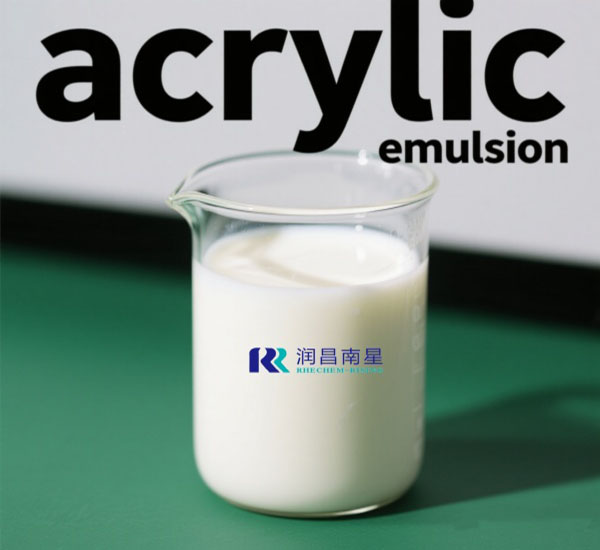
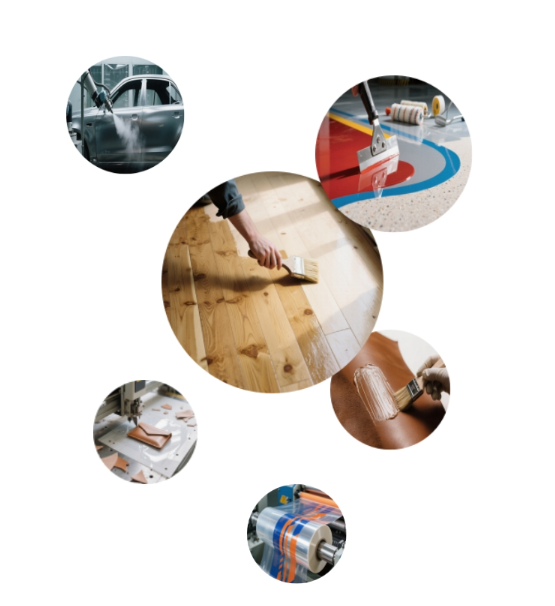
Water based acrylic emulsion offers rapid drying, early hardness development and outstanding adhesion to concrete, wood, metal and plastic substrates. It can be pigmented to almost any colour, accepts a wide range of rheology modifiers and can be spray-, roll- or brush-applied with minimal odour. When a water based acrylate resin is formulated into hygiene coatings, it delivers single-pack convenience, low odour and excellent chemical resistance to common sanitizers and peroxide cleaners.
View More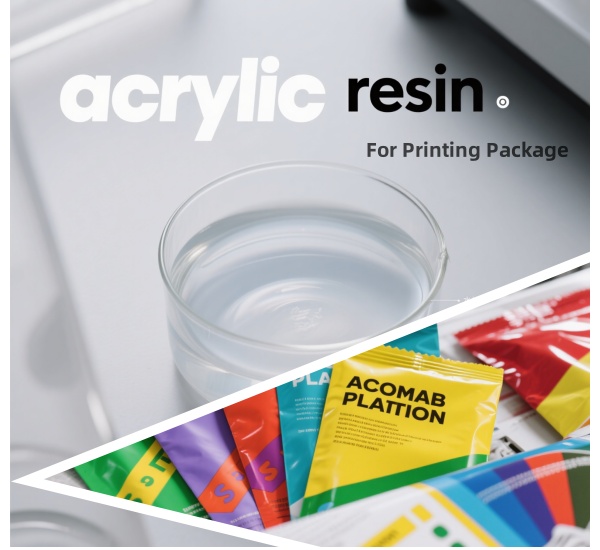
Runshine produces a solvent and APEO-free acrylic copolymer emulsion designed for printing applications.Our acrylic resin own excellent flexibility and anti-heating performance, as well as acrylic polymer with good adhesion properties on various plastic substrates such as HDPE, LDPE, BOPP, PVC, PET, etc. It has the specialties of fast drying, good water and chemicals resistance, and good printability.
View More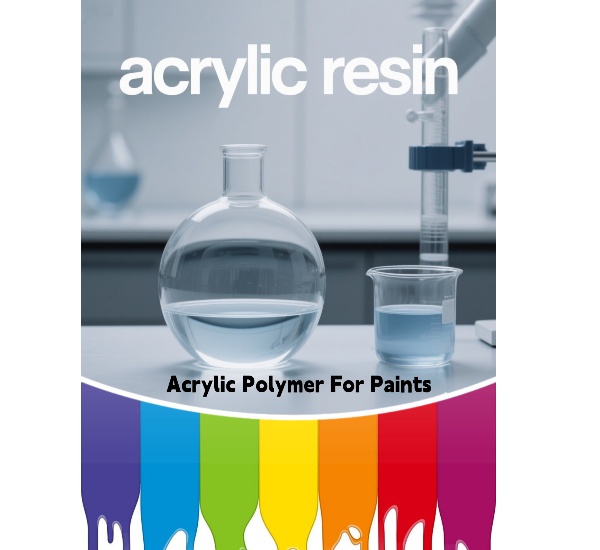
Runshine provide range of solvent and APEO-free acrylic emulsion resin designed for paints applications.our Acrylic polymers for wood caoting, acrylate and PUD series are both available, suitable for MDF and solid , base coat and top coat, clear and color coat with good transparency, hardness and good film building,fast drying
View More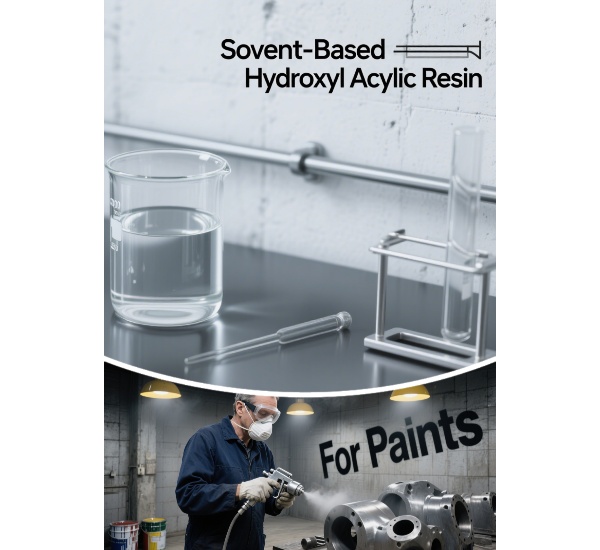
Runshine Produce various Hydroxy acrylic resin from low OH to high OH, also known as hydroxyl-functional acrylic resin, is a versatile material that has gained significant attention in the two-component (2K) coating industry. These resins are characterized by the presence of hydroxyl groups in their molecular structure, which enable them to react with isocyanates to form highly durable and chemically resistant coatings. This reaction results in the formation of urethane bonds, which contribute to the coatings' superior performance. Hydroxy acrylic resins can be tailored to have varying hydroxyl contents, allowing them to be optimized for specific application
View More
This solvent-based acrylic polyol resin provides stable adhesion, good gloss retention, and resistance to common chemicals and weathering. It is suitable for formulating 2K polyurethane coatings used in automotive, industrial, and protective applications.
View More
Runshine Produce various water based Hydroxyl acrylic resin from low OH to high OH.Waterborne hydroxy acrylic resin is a water-based polymer containing hydroxyl groups, with low volatile organic compound (VOC) emissions, complying with strict environmental regulations. Secondly, it exhibits good film-forming properties. When formulated into coatings, it can form a continuous and uniform film, ensuring good coverage on various substrates.Hydroxyl Acrylic Polylol Dispersion unique structure enabling versatile applications.
View More
Rnshine company produce Thermoplastic acrylic resins ,which dry solely by solvent evaporation, forming a film through chain entanglement. This mechanism provides exceptionally fast drying and recoating times. The coatings offer excellent durability, high gloss retention, and strong resistance to UV light and weathering. They are soluble in specific solvents, allowing for easy repair and touch-ups. Primarily used in industrial maintenance coatings and automotive refinishing, their performance is highly dependent on environmental conditions during application. A key limitation is their susceptibility to solvent attack after drying, as no crosslinking occurs.
View More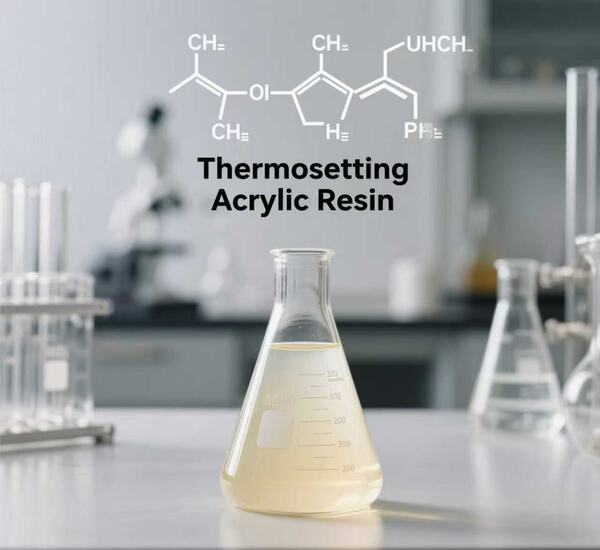
Thermosetting acrylic resin is a high-performance polymer material renowned for its unique three-dimensional cross-linked network structure. Upon curing under specific conditions, it forms a hard, insoluble, and infusible coating that demonstrates exceptional heat resistance, excellent chemical corrosion resistance, and high surface hardness. It also exhibits strong adhesion to various substrates, including metals and plastics. Widely used in demanding industrial coating and adhesive applications, it significantly enhances product durability, aesthetic appeal, and overall quality, making it an ideal solution for diverse industrial requirements.
View More
Hydroxyl-functional Acrylic Resins play an essential role in the coatings industry, serving as key components in two-component polyurethane (2K PU) systems. These resins contribute hydroxyl (-OH) groups that react with isocyanate crosslinkers to form durable, high-performance coatings. Runshine produces a comprehensive portfolio of acrylic polyols, categorized by hydroxyl value, molecular weight, solid content, and solvent type—including conventional solvent-borne, high-solids, and waterborne dispersions. Products are engineered to offer a balance of reactivity, compatibility, flexibility, and resistance properties, making them suitable for a wide spectrum of coating applications.
View More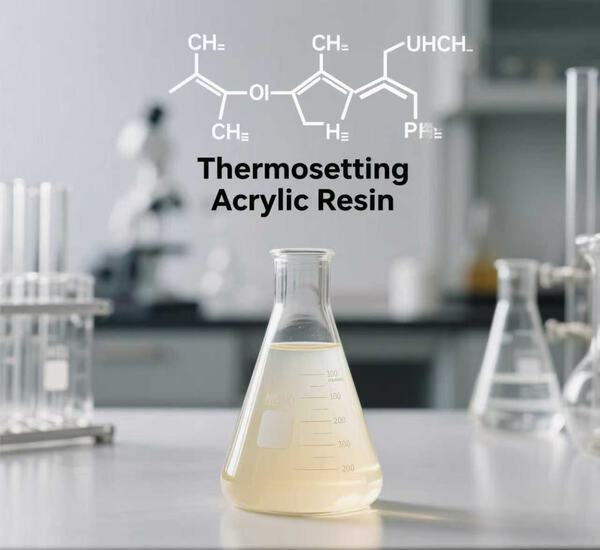
Thermosetting acrylic resins effectively enhance coating bond strength on metal (aluminum, steel, galvanized iron), plastic (PP, ABS, PVC), wood, and glass—they penetrate metal surface irregularities to form mechanical and chemical bonds, modify low-surface-energy plastics for better wettability, seep into wood fibers to prevent cracking from moisture changes, and react with glass hydroxyl groups for friction-resistant adhesion. As solvent-borne additives, they blend well with coating systems to form dense films; in automotive (car bodies, bumpers), industrial (machinery, pipelines), and decorative (furniture, architectural glass) applications, they ensure durable adhesion even under harsh conditions like road salt, acid-base corrosion, extreme temperatures (-40°C to 80°C), or outdoor UV and sand.
View More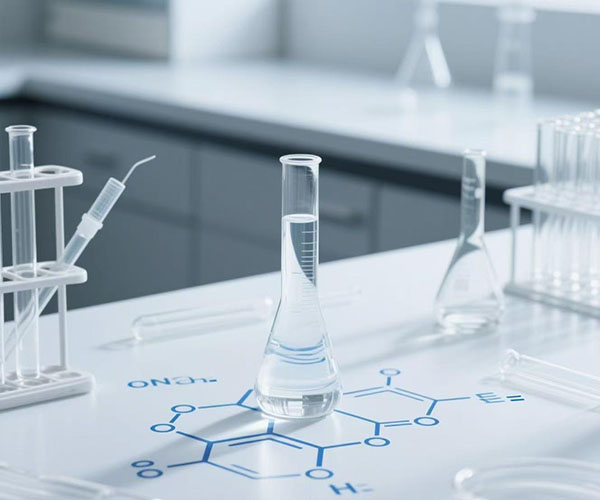
Hydroxyl-functional acrylic resins serve as essential components in modern coating formulations, providing critical performance characteristics for diverse industrial applications. Runshine manufactures a comprehensive range of these resins, engineered according to hydroxyl value, molecular weight, and compatibility—including solvent-borne, water-based, and high-solid types. These resins are designed to deliver excellent hardness, weathering resistance, and flow characteristics when crosslinked with polyisocyanates, making them ideal for automotive, industrial, plastic, and wood coatings requiring durable and high-gloss finishes.
View More
Our Water-soluble resin product line includes high-performance acrylic and polyester variants engineered for eco-friendly and efficient coating applications. These resins are designed to deliver excellent hydration, superior hardness, boiling water resistance, and outstanding recoating performance, making them ideal for a wide spectrum of industrial water-based coatings.
View More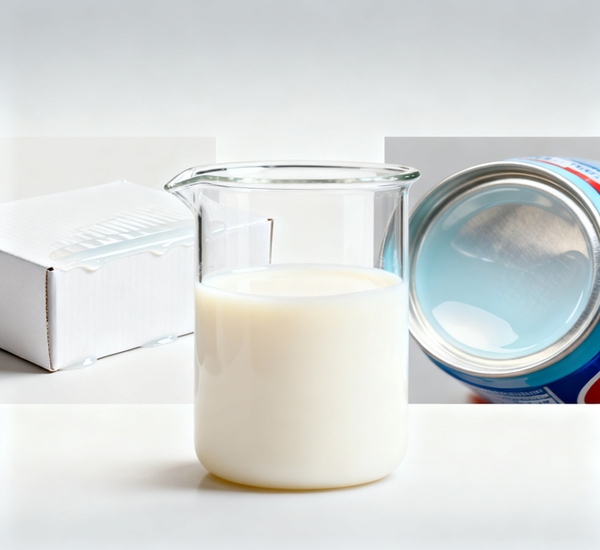
Water-Based Acrylic Resin embodies a significant innovation in sustainable coating formulations, delivering an exceptional synergy of robust performance attributes and stringent environmental compliance. This advanced resin system is engineered as a stable aqueous acrylic copolymer dispersion, meticulously formulated to be free of alkylphenol ethoxylates (APEO) and low in volatile organic compounds (VOCs).These water based acylic emulsion are particularly suited for demanding flexible package coating application
View More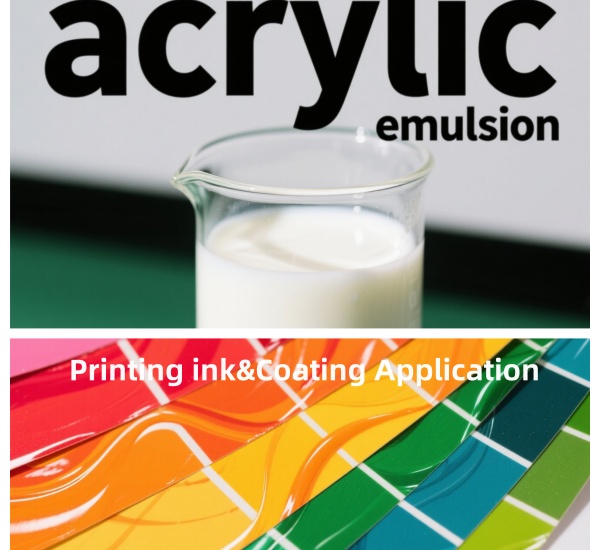
This water-based acrylic colloidal emulsion is an environmentally compliant binder designed for formulating high-performance coatings. It offers excellent durability, UV resistance, and adhesion to various substrates while featuring low VOCs and superior colloidal stability for printing coating applications.
View More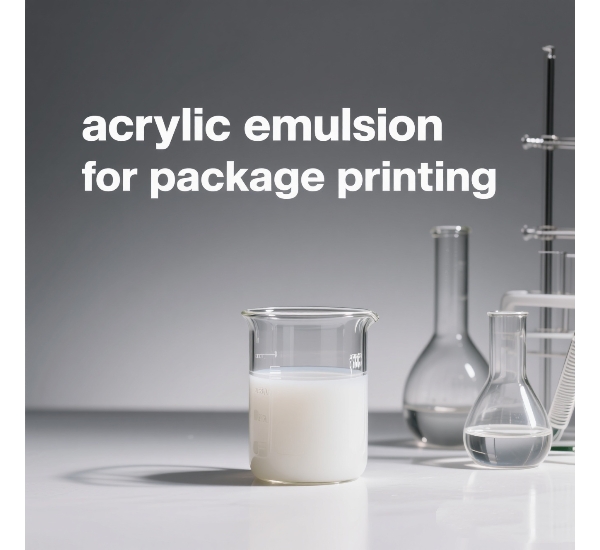
This high-performance, styrene acrylic copolymer emulsion is engineered for formulating eco-friendly architectural coatings. It delivers excellent durability, adhesion, and scrub resistance, while complying with stringent international environmental standards through its low-VOC and APEO-free formulation. Ideal for sustainable interior and exterior paints.
View More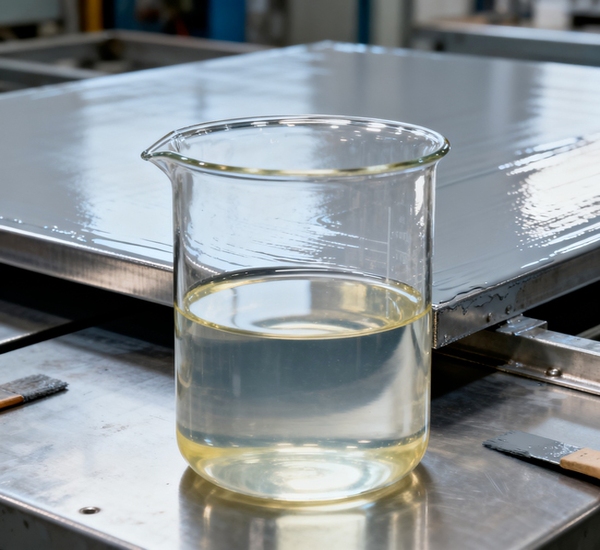
Our thermal-setting acrylic resin products are designed to meet the high demands of industrial coating applications, especially in the fields of automotive machinery and anti-corrosion coatings. These resins play a crucial role in formulating high-performance industrial paints.
View More
The thermoplastic acrylic resin products are designed to meet the diverse needs of the industrial coating industry. These resins are formulated with high - quality monomers, offering a range of properties that make them suitable for various applications, especially in industrial, automotive machinery, and anti - corrosion coatings, as well as in wood coatings.
View More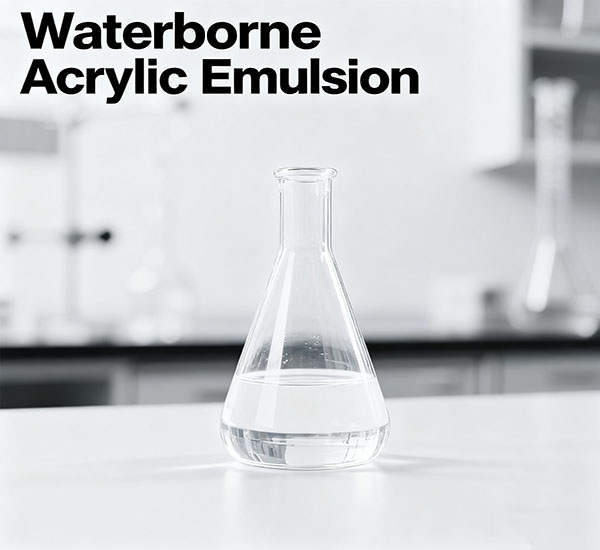
Advanced Superior Adhesion and Weatherability Waterborne Acrylic Emulsion is a high-performance resin specifically designed for eco-friendly coating systems. As a Waterborne Acrylic Emulsion, it forms films through a coalescence process upon water evaporation, providing an environmentally compliant solution with low VOC content and easy cleanup. This mechanism grants the coating outstanding recoatability, rapid drying, and superior resistance to yellowing. The properties of this Waterborne Acrylic Emulsion—including adhesion, hardness, chemical resistance, and long-term weatherability—are achieved through advanced molecular design and precise control of the glass transition temperature (Tg). The Waterborne Acrylic Emulsion is ideal for formulating high-durability coatings applied in architectural paints, wood finishes, metal protection, and exterior decorative systems.
View More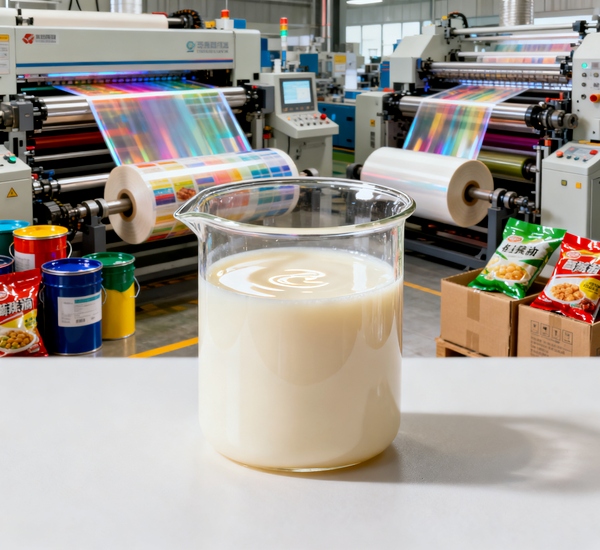
Waterborne Acrylic Emulsion exemplified by the Advanced Superior Adhesion and Weatherability Waterborne Acrylic Emulsion developed by Runshine New Materials Co., Ltd., is a high-performance film-forming resin specifically designed for eco-friendly coating systems. It forms dense, continuous films through the coalescence of particles after water evaporation. Key properties of Waterborne Acrylic—including adhesion, hardness, chemical resistance, and long-term weatherability—are achieved through advanced molecular design and precise control of the glass transition temperature. Visually, Waterborne Acrylic presents a clear, colorless appearance, and its solid content can be adjusted according to specific formulation requirements to suit different application needs. It maintains stable performance under proper storage conditions for an extended period, and its viscosity and density are optimized to ensure compatibility with various coating preparation processes. As a versatile material, Waterborne Acrylic has different product variants that cater to diverse coating demands, each with tailored characteristics to adapt to specific application scenarios in printing and packaging.
View More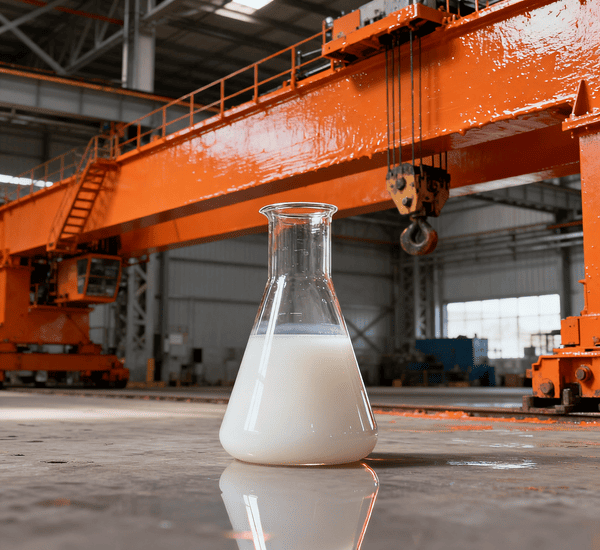
Hydroxyl-Functional Acrylic Resin has become a cornerstone in the development of advanced industrial coatings, offering a versatile and reliable solution for meeting the stringent performance demands of modern manufacturing. This type of resin is meticulously formulated to integrate seamlessly into various coating systems, with its unique chemical structure enabling exceptional compatibility with a wide range of crosslinking agents, additives, and solvents. Hydroxyl-Functional Acrylic Resin stands out for its ability to enhance key coating properties, making it a preferred choice for industries seeking durable, high-quality finishes that can withstand harsh operating environments.
View More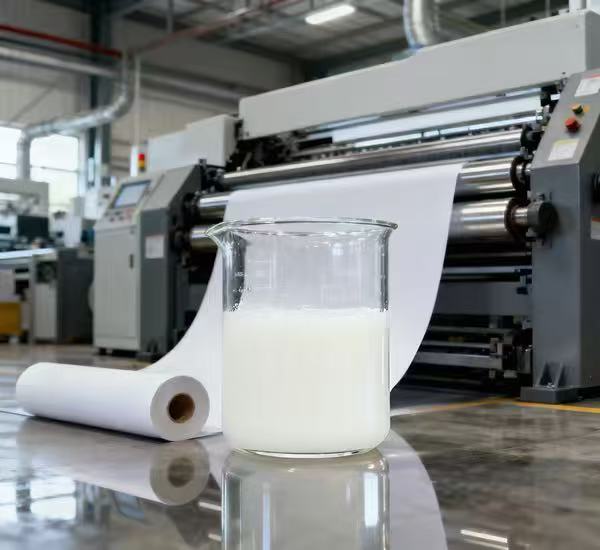
Waterborne Acrylic Emulsion is an eco-friendly, high-performance film-forming resin designed for modern printing applications. It boasts strong adhesion, excellent color retention, and smooth printability, with low VOC content and versatile compatibility with paper, plastic, metal and other substrates. The emulsion’s adjustable viscosity and stable storage properties make it a reliable core component for offset, flexographic, gravure, digital and screen printing inks, delivering durable, high-quality prints while meeting environmental standards.
View More
Waterborne acrylic emulsion have become a vital choice for enhancing paper’s barrier performance, responding to the rising demand for sustainable and high-performance packaging and functional paper products. Unlike traditional solvent-based coatings, they use water as the dispersion medium, complying with global environmental regulations and circular economy objectives. Their unique blend of flexibility, adhesion, and customizable barrier capabilities makes them perfect for modifying paper surfaces to resist moisture, oils, gases, and other contaminants. This article explores the product overview, product description, application processes, key advantages, and core benefits of Waterborne acrylic emulsion in paper barrier applications.
View More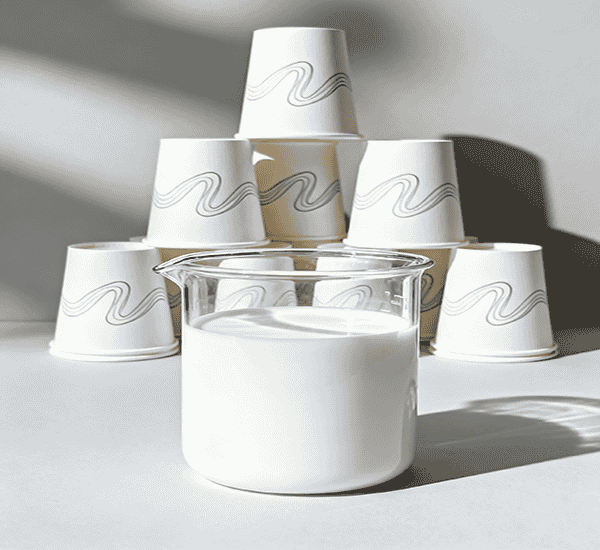
APEO-free, self-crosslinking Acrylic Copolymer Emulsions have emerged as a critical technology for meeting the stringent performance and safety requirements of single-use paper cup printing. This specialized Acrylic Copolymer Emulsion is engineered to provide a robust, functional coating that ensures both print quality and product integrity. It directly addresses the global demand for safer food-contact packaging by eliminating alkylphenol ethoxylates (APEOs) and other hazardous substances, aligning with international food safety regulations and sustainability goals.
View More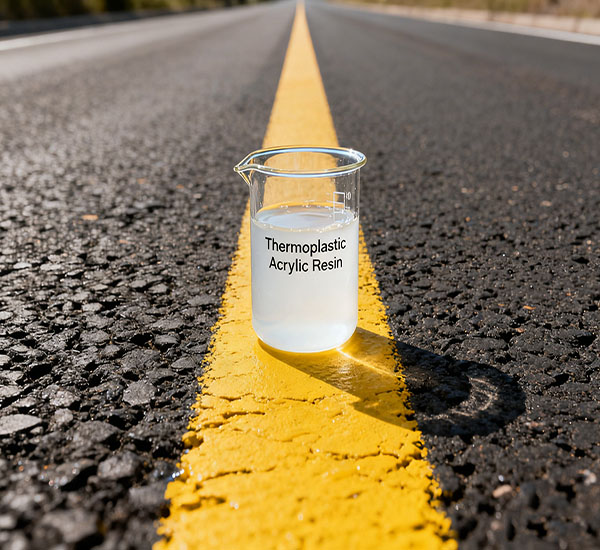
This thermoplastic acrylic resin is specifically engineered for high-performance road marking paints, drying exclusively through solvent evaporation to form a durable film via chain entanglement. This mechanism ensures rapid drying and short recoat times, which is critical for efficient road marking operations. The resulting coatings deliver outstanding weather resistance, including exceptional color retention, high gloss durability, and superior resistance to UV radiation and environmental degradation. These Thermoplastic Acrylic Resin-based coatings are soluble in specific solvents, facilitating easy in-field repair and maintenance. While primarily formulated for road marking applications, the performance of this Thermoplastic Acrylic Resin is influenced by ambient conditions during application. A key consideration is its susceptibility to solvent attack after drying due to the absence of crosslinking.
View More
Waterborne acrylic emulsion has emerged as a cornerstone material in the packaging industry, addressing the urgent need for barrier solutions that balance performance, sustainability, and cost-efficiency. As global markets shift toward eco-friendly packaging alternatives, Waterborne Acrylic Emulsion stands out by replacing solvent-based barrier coatings with water as the dispersion medium, aligning with stringent environmental laws and the circular economy framework. Its exceptional combination of adhesion, flexibility, and tailored barrier performance makes it ideal for enhancing packaging substrates to resist moisture, oxygen, oils, and chemical contaminants. This article delves into the product overview, key features, application processes, and core benefits of Waterborne Acrylic Emulsion in packaging barrier applications.
View More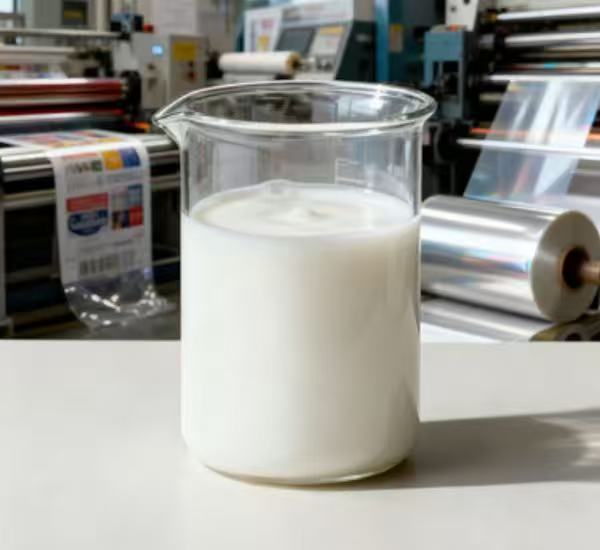
In the dynamic printing and packaging industry, Waterborne Acrylic Emulsion has emerged as a pivotal material, prized for its eco-friendliness and multifunctional properties. The self-crosslinking APEO-free Waterborne Acrylic Emulsion stands out as a high-quality option, specifically developed for formulating printing inks and varnishes. Its inherent compatibility with flexo and gravure printing processes, coupled with exceptional adhesion on diverse substrates, makes this Waterborne Acrylic Emulsion a top choice for manufacturers seeking reliability and performance.
View More




Sitemap Blog Xml Privacy Policy
Copyright @ Runshine New Materials(FoShan) Co.,Ltd. All Rights Reserved.
 Network Supported
leave a message
Scan to wechat :

Scan to whatsapp :