1
Home

polyurethane dispersion producer

polyurethane dispersion producer

  • Evolution and Technical Foundations of Waterborne Polyurethane dispersions
    Evolution and Technical Foundations of Waterborne Polyurethane dispersions Mar 25, 2026
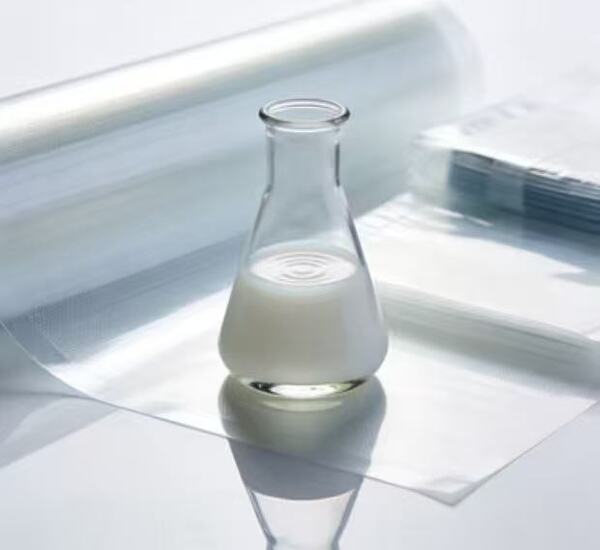
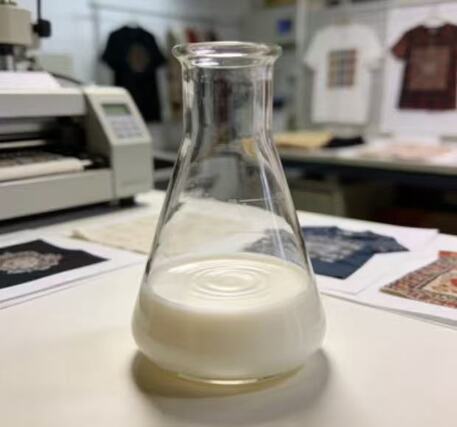
    The coatings and adhesives industry is undergoing a profound transformation as regulations, customer demands, and environmental imperatives converge. In this context, waterborne polyurethane dispersions (PUDs) have emerged as a sophisticated alternative to traditional solvent-borne systems. These aqueous systems not only deliver high performance in durability, abrasion resistance, adhesion, and flexibility, but also significantly reduce volatile organic compound (VOC) emissions. Meanwhile, the evolution of continuous production methods and scale-up for water-borne polyurethanes offers additional industrialisation potential. Fundamentals of Waterborne Polyurethane Dispersions Waterborne polyurethane dispersions are colloidal systems of polyurethane particles suspended in water. They differ from solution-based polyurethanes that rely on organic solvents for polymer dissolution. By incorporating internal or external emulsifiers and carefully balancing hydrophilic/hydrophobic segments, manufacturers produce stable dispersions that form films or coatings upon water removal. “The internal emulsifier forms part of the polymeric chain, providing stability to the formed nanoparticles during the phase inversion step leading to the dispersion formation.” The result is a film with conventional polyurethane attributes,  flexibility, adhesion, and chemical resistance, but formulated to meet stringent emissions and health standards. Key Structure-Property Relationships The performance of waterborne PUDs hinges on fine-tuning molecular architecture. For example, the choice of polyol (polyester vs polyether), molecular weight, and emulsifier type will impact particle size, viscosity, film-forming behaviour, and mechanical/chemical resistance. “Structure-property relationships of aqueous polyurethanes, as the main component, provide an overview of rheological properties” of WPU systems. Key targets in design include high solids content (to reduce drying time and energy), robust crosslinking (for abrasion/chemical resistance), and film formation at ambient or moderate temperatures (for substrate compatibility). Manufacturing and Sustainability Imperatives The transition away from solvent-based PUDs is driven by regulatory pressure (e.g., limits on VOCs and hazardous air pollutants) and ever-stronger environmental credentials demanded by end-users. One account notes that traditional solvent-based polyurethane foam systems for synthetic leather, for instance, are being challenged by waterborne alternatives. On the manufacturing side, continuous production of water-borne PUDs has been addressed in recent literature, which offers insight into the scale-up and processing challenges. Companies such as SIWO US emphasise sustainability as a differentiator, citing their low-VOC, water-based polymers. Future Trends and High-Performance Innovations Higher Solids & Faster Drying A continuing goal is to increase the solids content of dispersions (e.g., from 30% to 50% or above) without compromising stability or viscosity. This allows thicker films, reduced water removal times, and faster throughput. For example, patent literature for synthetic leather mentions PUDs with 40-60 wt% prepolymer and up to 55 wt% water content. As dryer processing and energy efficiency become critical, manufacturers will push for systems that cure or dry rapidly at lower temperatures while delivering full performance. Biobased and Circular Raw Materials With sustainability high on the agenda, new raw material sources such as CO₂‐based polycarbonates are being explored. For example, a 2023 study described a WPU synthesized from CO₂ and ethylene oxide (PECD) that achieved “superior tensile performance, adhesion properties and surface hardness.” Similarly, a 2025 article explored biobased self-healing WPU dispersions. For high‐performance PUDs, these innovations mean not just meeting current benchmarks but redefining them with novel material systems that combine low environmental impact with superior functionality. Functional and Smart Property Additions Beyond ‘traditional’ metrics (hardness, abrasion resistance, chemical resistance), the next‐gen PUDs will integrate smart or multifunctional properties — self-healing, antimicrobial, self-matting, UV stability, and even sensor integration. A 2024 review of advances in waterborne polyurethane matting resins indicates how previously niche features (matt finish, texture control) are gaining importance. The ability to incorporate nanocellulose, graphene, or other nano-reinforcements into PUDs for enhanced mechanical/thermal properties is also emerging. Conclusion The era of solvent-based polyurethane systems is giving way to a new paradigm — one defined by high-performance, waterborne polyurethane dispersions that deliver not just comparable mechanical and chemical performance, but also align with environmental, health, and sustainability imperatives. The combination of advanced molecular design, increased solids, functional additives, and process optimization is powering this transition. For specifiers, coaters, manufacturers, and OEMs, the imperative is clear: adapt to waterborne systems now or risk being left behind. Companies like SIWO US, with deep R&D, global manufacturing, and a comprehensive PUD portfolio, illustrate how the right partner can accelerate this shift. As the journey continues, we expect to see further breakthroughs in biobased raw materials, self-healing films, ultra-high-performance dispersions, and truly circular coatings ecosystems. In short: beyond solvents lies a future of coatings and adhesives that are greener, smarter, tougher — and ready for the demands of tomorrow.
  • Polyurethane Dispersions Market Green Growth Analysis
    Polyurethane Dispersions Market Green Growth Analysis Mar 11, 2026
    The global Polyurethane Dispersions market is on a trajectory of robust growth, fueled by evolving environmental regulations, technological innovations, and expanding end-use industries. As waterborne polymers gain traction as eco-friendly alternatives to solvent-based systems, PUDs are emerging as a cornerstone in sectors ranging from coatings to automotive manufacturing. Below is a comprehensive breakdown of the market’s core dynamics, growth drivers, and regional landscape.   Market Overview: Size, Growth Trajectory, and Key Segments   The PUD market is poised for substantial expansion, with a 2024 valuation of USD 13,750.25 million and a projected reach of USD 26,500.75 million by 2032—representing a compound annual growth rate (CAGR) of 8.3% from 2025 to 2032. This growth is underpinned by the market’s ability to adapt to fluctuating raw material costs and regulatory pressures, while capitalizing on demand for sustainable solutions.   Segment-wise, the coatings sector dominates with a 45.3% market share, driven by its reliability, cost-effectiveness, and wide applicability in architectural and automotive finishes. Other key applications include textiles & leather, adhesives, elastomers, and biomedical uses, each benefiting from PUDs’ superior properties such as high elasticity, abrasion resistance, and chemical stability. By type, anionic, cationic, non-ionic, and amphoteric PUDs cater to diverse industrial needs, with aliphatic PUDs leading in outdoor applications due to their UV stability. End-use industries like automotive, construction, footwear, and electronics further amplify demand, particularly as lightweight and environmentally compliant materials become industry standards.     Core Growth Drivers and Emerging Trends   The PUD market’s upward momentum is fueled by a confluence of regulatory, technological, and consumer-driven factors. Foremost among these is the global shift toward low-VOC (Volatile Organic Compound) and eco-friendly products, driven by stringent environmental regulations and growing consumer consciousness. Waterborne PUDs are increasingly replacing solvent-based polyurethanes, as industries seek to reduce carbon footprints and comply with regional emission standards.   Technological innovation is another key driver, with advancements focusing on bio-based polyols in PUD synthesis—enhancing sustainability credentials while maintaining performance. Additionally, the development of multifunctional and smart coatings incorporating self-healing and antimicrobial properties is expanding PUD applications in healthcare and electronics. Collaborations between raw material suppliers and manufacturers are optimizing formulations, while digitization in supply chains and manufacturing processes is improving cost efficiency and customization.   Rapid urbanization and industrialization in emerging economies, particularly in Asia Pacific, further boost demand for protective coatings and advanced adhesives. The replacement of traditional materials with PUDs in automotive and construction sectors—driven by the need for durability and environmental compliance—also contributes significantly to market growth.   Regional Dominance and Market Dynamics   Geographically, Asia Pacific leads the PUD market with a 38.7% share, positioning it as the fastest-growing region. China, in particular, dominates with a 22.5% global market share, supported by robust R&D investment, strong industrial infrastructure, and expanding construction and automotive sectors. India, Japan, and South Korea also contribute to regional growth, fueled by urbanization and increasing environmental awareness.   North America and Europe hold significant market shares, driven by strict regulatory frameworks focused on reducing VOC emissions and heavy investment in R&D. These regions are at the forefront of adopting high-solid and ultra-low VOC PUDs, particularly in automotive and aerospace applications. Latin America and the Middle East & Africa represent emerging markets with untapped potential, as infrastructural projects and industrialization drive demand—though slower economic growth and regulatory complexities pose temporary constraints.   The competitive landscape features global players such as BASF, Dow Inc., Wanhua Chemical, and Bayer, which leverage advanced technology, diversified portfolios, and global distribution networks. Mid-sized and regional players compete by offering specialized products for niche applications, with strategic partnerships, mergers, and acquisitions shaping market expansion. Key competitive advantages include brand reputation, product innovation, and regulatory compliance, with price competition balanced by value-added sustainable features.   As the PUD market evolves, sustainability and technological advancement will remain central to growth. With opportunities in bio-based formulations, specialty applications, and emerging regions, the market is well-positioned to deliver long-term value for stakeholders across the supply chain.
As a National High - tech Enterprise , we own brands like RHERI is popular in domestic markets China,but also our high - quality products have won overseas customer trust like Southeast Asia, the Middle East, South America, Africa and North America.
f LINKIDEN
Subscribe Our News
Please Read On, Stay Posted, Subscribe, And We Welcome You To Tell Us What You Think.

Sitemap Blog Xml Privacy Policy

Copyright @ Runshine New Materials(FoShan) Co.,Ltd. All Rights Reserved. Network Supported

leave a message

leave a message
If you are interested in our products and want to know more details,please leave a message here,we will reply you as soon as we can.
submit

home

products

WhatsApp

CONTACT

Leave A Message
Leave A Message
If you are interested in our products and want to know more details,please leave a message here,we will reply you as soon as we can.
submit