
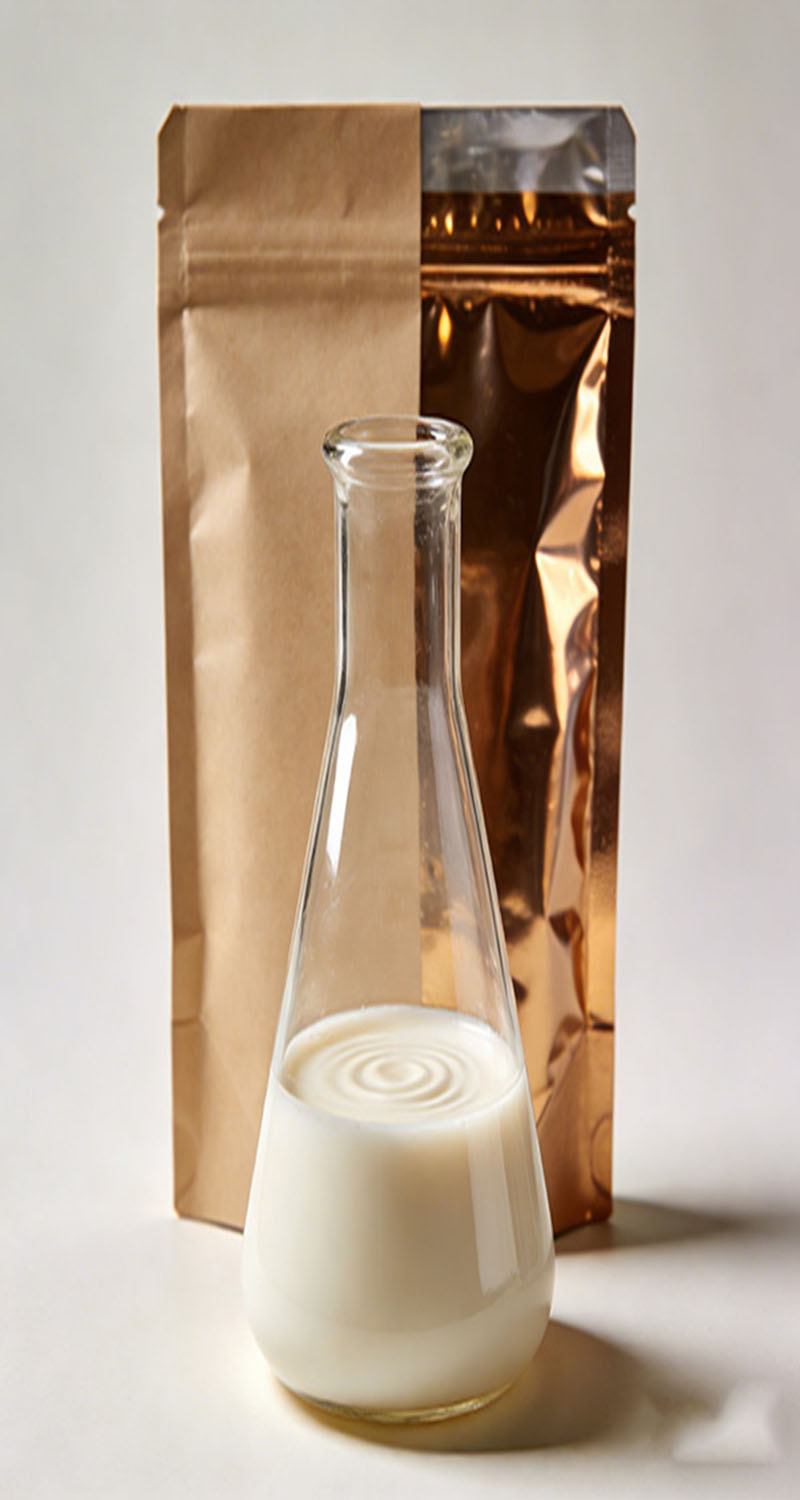
What is Waterborne Polyurethane Dispersion with Excellent Water and Oxygen Barrier Performance for AlOx PET Coating?
A Waterborne Polyurethane Dispersion designed for excellent water and oxygen barrier performance on AlOx-coated PET film is a colloidal suspension of polyurethane polymer particles in water, specifically engineered to provide a dense, continuous protective layer over aluminum oxide (Al₂O₃) vacuum-coated PET substrates. Unlike conventional solvent-borne barrier coatings, this advanced Waterborne Polyurethane Dispersion contains no organic solvents, making it an environmentally responsible choice for high-barrier flexible packaging applications. The dispersion typically features a solids content of 32±1.5%, a pH value in the range of 7.0–9.0, and a Brookfield viscosity below 500 mPa·s at 25°C, ensuring excellent processability on high-speed roll-to-roll coating lines.The key differentiating feature of this Waterborne Polyurethane Dispersion is its ability to form a highly impermeable film against both water vapor and oxygen molecules. When applied onto AlOx-coated PET – where the AlOx layer already provides a certain level of barrier – the polyurethane topcoat fills microscopic defects (pinholes, cracks, and grain boundaries) inherent in the vacuum-deposited inorganic layer. Furthermore, the formulation allows the optional addition of a crosslinker (such as water-dispersible polyisocyanate or aziridine-based crosslinkers) before application. Upon thermal curing, the crosslinker reacts with the polyurethane chains to form a three-dimensional thermoset network, drastically reducing free volume and enhancing the tortuosity of the diffusion path for permeants. This synergistic effect between the inorganic AlOx barrier and the crosslinked organic topcoat results in outstanding water vapor transmission rate (WVTR) and oxygen transmission rate (OTR) values, often meeting the most demanding requirements for moisture-sensitive dry foods, pharmaceuticals, and electronic components.
Key Advantages and Characteristics of This Waterborne Polyurethane Dispersion
The adoption of a Waterborne Polyurethane Dispersion with excellent water and oxygen barrier performance for AlOx PET coating brings multiple technical, environmental, and economic benefits. Below is a detailed examination of its key advantages.
1. Superior Water and Oxygen Barrier Performance through Crosslinkable Chemistry
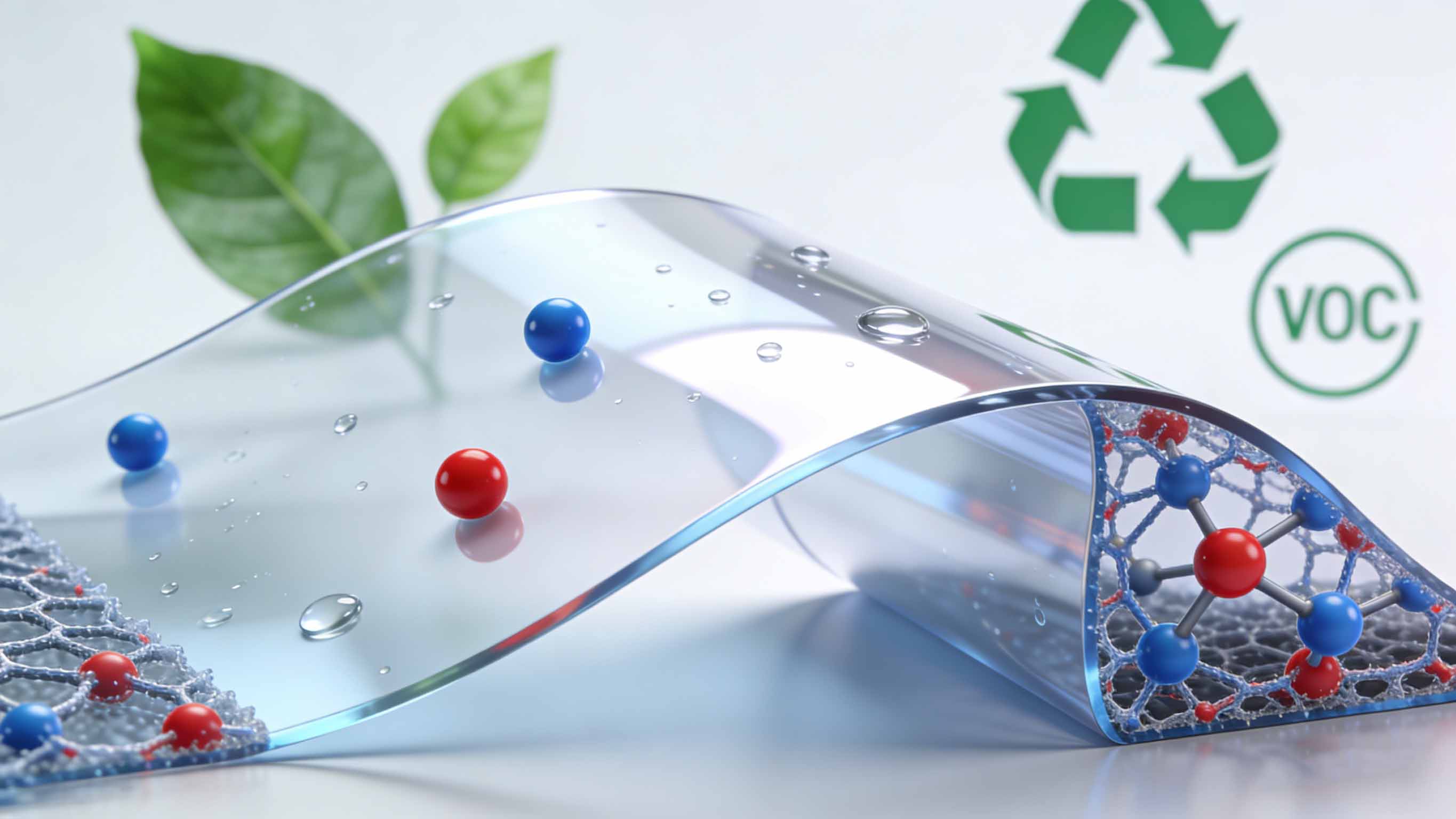
The most critical advantage of this Waterborne Polyurethane Dispersion is its ability to achieve extremely low WVTR and OTR values when properly formulated and applied. In its uncrosslinked state, the polyurethane film already offers moderate barrier properties due to the inherent hydrophobicity of the polyurethane backbone and the formation of a continuous, defect-free film upon drying. However, the true potential is unlocked when an external crosslinker is incorporated into the dispersion prior to coating.
Upon thermal curing (typically at 40–80°C for a few minutes to 48 hours, depending on line speed and post-curing conditions), the crosslinker creates covalent bonds between polyurethane chains, converting the linear or lightly branched polymer into a dense, three-dimensional network. This crosslinked structure significantly reduces the mobility of polymer segments and eliminates microscopic free volumes through which water and oxygen molecules can diffuse. As a result, the permeation path becomes highly tortuous, leading to a dramatic decrease in transmission rates. For example, a properly crosslinked Waterborne Polyurethane Dispersion topcoat can reduce the WVTR of a 12 µm AlOx PET film from several units to below 0.5 g/m²/day (at 38°C, 90% RH) and the OTR to below 0.1 cm³/m²/day (at 23°C, 0% RH), making it suitable for high-barrier applications such as vacuum insulation panels and retortable pouches.
Moreover, the Waterborne Polyurethane Dispersion effectively seals pinholes and micro-cracks that are inevitably present in the vacuum-deposited AlOx layer. Even state-of-the-art metallization processes cannot achieve a completely defect-free inorganic coating. The polyurethane topcoat acts as a planarization layer, filling these defects and providing a continuous barrier across the entire film surface. This synergy is the fundamental reason why a combination of AlOx and a high-performance Waterborne Polyurethane Dispersion outperforms either layer alone.
2. Exceptional Adhesion to AlOx-Coated PET Substrates
Adhesion is a perennial challenge in coating inorganic oxide layers with organic polymers. The surface of AlOx-coated PET has a relatively high surface energy but also contains polar groups (Al–OH) that can interact favorably with the urethane linkages (–NH–CO–O–) in the polyurethane backbone. This Waterborne Polyurethane Dispersion is specifically designed to maximize hydrogen bonding and acid-base interactions with the AlOx surface, resulting in strong, durable adhesion that resists delamination during subsequent converting steps (slitting, lamination, bag making) and end-use conditions.
The low viscosity (<500 mPa·s) of the Waterborne Polyurethane Dispersion ensures excellent wetting of the AlOx surface, which is critical for achieving intimate contact at the molecular level. Poor wetting leads to air entrapment and weak boundary layers, both of which compromise adhesion and barrier performance. Formulators can further enhance adhesion by incorporating silane coupling agents or specialized adhesion promoters into the dispersion, though the base resin itself already provides robust anchorage on properly treated AlOx PET.
3. Solvent-Free, APEO-Free, and Low-VOC Formulation for Regulatory Compliance and Safety
In response to increasingly stringent global regulations on volatile organic compounds (VOCs) and hazardous air pollutants (HAPs), this Waterborne Polyurethane Dispersion is manufactured without the use of organic co-solvents. Traditional solvent-borne barrier coatings rely on large amounts of ketones, esters, or aromatic hydrocarbons, which pose significant health risks to workers, contribute to photochemical smog formation, and require expensive solvent recovery or incineration systems. In contrast, the Waterborne Polyurethane Dispersion uses water as the sole continuous phase, reducing VOC emissions to near-zero levels.
Furthermore, the dispersion is formulated without alkylphenol ethoxylates (APEOs), which are known to degrade into persistent, endocrine-disrupting compounds in the environment. Many jurisdictions, including the European Union, have restricted or banned the use of APEOs in products intended for food contact. By adopting an APEO-free Waterborne Polyurethane Dispersion, converters and brand owners can confidently meet the requirements of ecolabels (such as EU Ecolabel, Blue Angel) and retailer sustainability standards.
The water-based nature of this Waterborne Polyurethane Dispersion also improves workplace safety by eliminating fire and explosion hazards associated with solvent handling. Cleanup and equipment washing can be performed with water, reducing hazardous waste generation and simplifying regulatory compliance.
4. Flexibility and Toughness: Maintaining Barrier Integrity during Mechanical Deformation
One of the inherent weaknesses of purely inorganic barrier layers (e.g., AlOx or SiOx) is their brittleness. When the PET film is flexed, creased, or stretched during printing, lamination, or end-use (e.g., a flexible pouch being squeezed), the inorganic layer can crack, leading to catastrophic loss of barrier performance. The Waterborne Polyurethane Dispersion topcoat acts as a protective buffer that absorbs mechanical stress and distributes it across the elastic polyurethane network, thereby preventing crack propagation from reaching the AlOx layer.
Even when the Waterborne Polyurethane Dispersion is crosslinked, it retains a certain degree of flexibility due to the segmented structure of polyurethane – alternating soft segments (polyether or polyester diols) and hard segments (diisocyanate and chain extender). This microphase-separated morphology provides an optimal balance between toughness and flexibility. Consequently, the coated film can withstand repeated flexing, folding, and creasing without significant loss of barrier properties. This is particularly important for flexible packaging formats such as stand-up pouches, spouted pouches, and vacuum bags, where the package is subject to continuous mechanical abuse during filling, transport, and consumer handling.
5. Excellent Chemical Resistance and Durability against Oils, Greases, and Solvents
Packaging films often come into contact with aggressive substances: cooking oils, acidic or alkaline foods, alcoholic beverages, and even organic solvents. The crosslinked Waterborne Polyurethane Dispersion topcoat exhibits excellent resistance to a wide range of chemicals. The crosslink density can be adjusted by varying the type and amount of crosslinker, allowing formulators to tailor the coating for specific end-use environments.
For applications such as retort pouches (sterilization at 121°C under pressure), the Waterborne Polyurethane Dispersion must withstand high-temperature steam and pressure without delamination or hydrolytic degradation. Properly formulated crosslinked polyurethane dispersions using hydrolysis-resistant polyester polyols or polyether polyols can meet retort requirements, provided that the crosslinker is chosen appropriately (e.g., blocked polyisocyanates that activate at retort temperatures). The result is a durable, chemically resistant barrier that maintains product protection even under harsh conditions.
6. Processability on High-Speed Roll-to-Roll Coating Lines
Industrial viability depends on how well the coating material performs on existing converting equipment. The water based Polyurethane Dispersion described here has a viscosity below 500 mPa·s (Brookfield, 25°C), which makes it suitable for a variety of coating techniques including gravure, reverse roll, slot-die, and even rod coating. Its shear-thinning behavior (pseudoplasticity) ensures good leveling after application while preventing excessive sagging or edge bead formation.
The dispersion’s stability under high shear – typical in gravure and reverse roll coating – is excellent, with no risk of coagulum formation that could lead to streaks or die lines. Furthermore, its relatively low foaming tendency allows for high-speed operation without the need for excessive defoamer addition, which might otherwise compromise barrier performance. The recommended coating weight for achieving optimal barrier ranges from 1 to 3 g/m² dry, which can be achieved with standard gravure cylinders or slot-die systems.
7. Sustainability: Supporting Recyclability and Circular Economy
A growing concern in flexible packaging is the recyclability of multilayer structures. Traditional high-barrier films often use aluminum foil or metallized films laminated with solvent-borne adhesives, making them difficult to recycle due to the incompatibility of materials. The combination of AlOx PET and a Waterborne Polyurethane Dispersion topcoat offers a more recyclable alternative. Because the entire structure is based on PET (the AlOx layer is only a few nanometers thick, and the polyurethane topcoat is typically less than 2 µm), the monomaterial PET structure can be recycled in existing PET recycling streams, provided that the polyurethane coating is compatible and does not interfere with the recycling process.
Many Waterborne Polyurethane Dispersions are designed to be alkali-soluble or to disintegrate under standard PET recycling conditions (hot caustic wash), allowing the clean separation of PET flakes. This aligns with the principles of the circular economy and helps brand owners meet their sustainability pledges. Additionally, the water-based nature of the coating eliminates the need for organic solvents in the lamination process, further reducing the carbon footprint of the finished package.
8. Long-Term Storage Stability and Handling Convenience
According to the technical data sheet of RHERI® HP1208 (a representative product of this class), the Waterborne Polyurethane Dispersion is stable for six months from the delivery date when stored at 20°C in originally closed containers. The recommended storage temperature range is 5–35°C. Within this range, the dispersion maintains consistent viscosity, particle size distribution, and film-forming properties. Freezing must be avoided, as ice crystal formation can irreversibly damage the particles, leading to coagulation. Similarly, storage above 35°C can accelerate particle agglomeration and sedimentation.
To prevent microbial contamination, biocides are typically added during manufacturing. However, end-users should avoid introducing foreign microorganisms through unclean equipment or prolonged storage of open containers. If contamination occurs, the Waterborne Polyurethane Dispersion may develop odor, discoloration, or viscosity drift, and should not be used for high-barrier applications. With proper handling, this dispersion offers excellent batch-to-batch consistency and reliable performance.
Application Areas of Waterborne Polyurethane Dispersion with Excellent Water and Oxygen Barrier Performance for AlOx PET Coating
The unique combination of properties exhibited by this Waterborne Polyurethane Dispersion makes it suitable for a wide range of demanding flexible packaging applications. Below are the primary sectors where this technology is already being deployed.
1. High-Barrier Food Packaging for Dry and Moisture-Sensitive Products
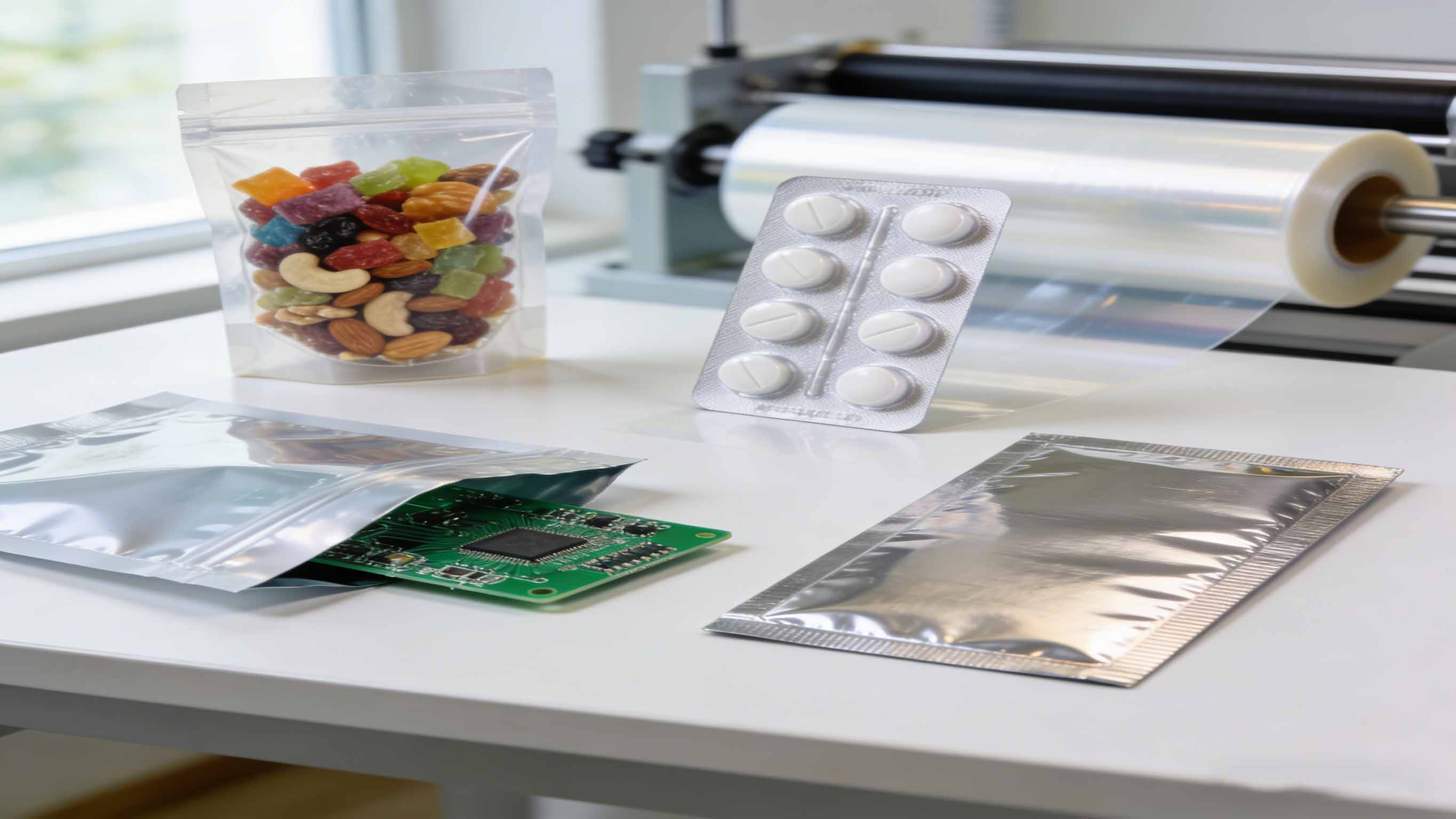
Snack foods, nuts, dried fruits, coffee, tea, powdered milk, and nutritional supplements require packaging that effectively excludes oxygen and moisture to preserve flavor, texture, and nutritional value. AlOx PET coated with this Waterborne Polyurethane Dispersion (optionally crosslinked) provides an excellent solution. The transparent barrier film allows consumers to see the product while ensuring extended shelf life. Compared to metallized films, the transparent barrier film also enables metal detector compatibility – a critical requirement in food processing lines.
2. Pharmaceutical and Medical Device Blister Packaging
Blister packs for tablets and capsules must meet extremely low OTR and WVTR specifications to prevent drug degradation. Regulatory standards such as USP <671> and European Pharmacopoeia require barrier performance validation. The Waterborne Polyurethane Dispersion topcoat on AlOx PET provides a reliable, non-aluminum alternative to traditional cold-form foil blisters. The transparency of AlOx PET also allows visual inspection of the tablets without opening the package, improving quality control.
3. Electronic Component and Moisture-Sensitive Device (MSD) Packaging
Semiconductors, printed circuit boards, and other moisture-sensitive electronic components are packaged in high-barrier bags to prevent corrosion and solderability issues during storage and transportation. The combination of AlOx PET and a crosslinked Waterborne Polyurethane Dispersion can achieve WVTR values below 0.1 g/m²/day, meeting the requirements of MIL-PRF-131 and other military specifications. The anti-static versions of such dispersions are also available for ESD-sensitive applications.
4. Vacuum Insulation Panel (VIP) Encapsulation
VIPs are used in refrigerators, freezers, and building insulation. They require an extremely high-barrier envelope to maintain internal vacuum over the product’s lifetime (typically 15–20 years). Multilayer structures incorporating AlOx PET and a crosslinked Waterborne Polyurethane Dispersion topcoat have demonstrated outstanding gas barrier retention even after accelerated aging tests. The flexibility of the polyurethane layer also helps the envelope withstand the mechanical stresses of vacuum sealing.
5. Retortable Stand-Up Pouches for Ready-to-Eat Meals
Retort packaging (sterilization at 121°C) demands exceptional resistance to heat, pressure, and moisture. While AlOx alone cannot withstand retort conditions due to hydrolysis of the oxide layer, a properly crosslinked Waterborne Polyurethane Dispersion topcoat can protect the AlOx layer and provide additional barrier. When combined with high-temperature resistant adhesives and polypropylene sealant layers, the resulting laminate can be used for retortable pouches for pet food, soups, and ready-to-eat meals.
6. Industrial and Agricultural Chemical Packaging
Agrochemicals, fertilizers, and industrial detergents are often aggressive and require robust barrier packaging to prevent leakage and contamination. The chemical resistance of crosslinked Waterborne Polyurethane Dispersion makes it suitable for lining or coating the inner surface of such packages. The solvent-free formulation ensures that no residual solvents migrate into the chemical product.
7. Aseptic Packaging for Liquid Foods (Juice, Milk, Liquid Eggs)
Aseptic cartons (e.g., those used for shelf-stable milk) traditionally rely on aluminum foil as the barrier layer. AlOx PET coated with a high-barrier Waterborne Polyurethane Dispersion offers a lightweight, crease-resistant alternative that can be used in aseptic packaging lines. The absence of pinholes (a common issue with thin aluminum foil) improves reliability, and the transparent nature of the barrier allows for package inspection.
8. Overprint Varnish and Protective Topcoat for Printed AlOx PET Films
In some applications, the AlOx PET film is printed with graphics before the barrier coating is applied. A clear version of the Waterborne Polyurethane Dispersion can be used as an overprint varnish (OPV) that simultaneously provides water and oxygen barrier while protecting the printed ink from abrasion and chemicals. This simplifies the converting process by combining decoration and barrier functionality into a single coating step.
Conclusion
Waterborne Polyurethane Dispersion with excellent water and oxygen barrier performance for AlOx PET coating represents a paradigm shift in the design of high-performance, sustainable flexible packaging. Far from being a mere drop-in replacement for solvent-borne barrier coatings, this advanced dispersion enables converters and brand owners to meet the dual challenge of stringent preservation requirements and environmental responsibility.
Through its ability to form a crosslinkable, defect-filling topcoat, this Waterborne Polyurethane Dispersion synergizes with AlOx layers to achieve ultra-low WVTR and OTR values that were previously attainable only with aluminum foil or multiple layers of expensive barrier materials. Its solvent-free, APEO-free, low-VOC composition ensures full compliance with global food contact regulations and ecolabel standards, while its excellent adhesion and flexibility guarantee reliable performance even under mechanical stress and aggressive environments.
The Waterborne Polyurethane Dispersion described in this article – exemplified by products like RHERI® HP1208 – is already making an impact in food, pharmaceutical, electronics, and industrial packaging. As the industry continues to move towards monomaterial, recyclable structures and circular economy models, the role of such Waterborne Polyurethane Dispersions will only become more central. Advances in crosslinker technology, bio-based polyols, and self-healing polymers promise to further enhance the barrier performance and sustainability profile of these versatile materials.
For converters and packaging engineers seeking to upgrade their product lines, adopting a high-performance Waterborne Polyurethane Dispersion with excellent water and oxygen barrier for AlOx PET coating is not just a technical improvement – it is a strategic investment in the future of responsible packaging.





Sitemap Blog Xml Privacy Policy
Copyright @ Runshine New Materials(FoShan) Co.,Ltd. All Rights Reserved.
 Network Supported
leave a message
Scan to wechat :

Scan to whatsapp :