In the realm of coatings adhesives and specialty chemicals waterborne acrylic emulsion has emerged as a game-changing material celebrated for its versatility sustainability and high performance. Unlike solvent-based alternatives this water-dispersed polymer system leverages water as the primary carrier offering a host of advantages that align with today’s environmental standards and industrial demands. Let’s dive into what makes waterborne acrylic emulsion stand out its wide-ranging applications and why it’s becoming the material of choice across industries.
What Is Waterborne Acrylic Emulsion
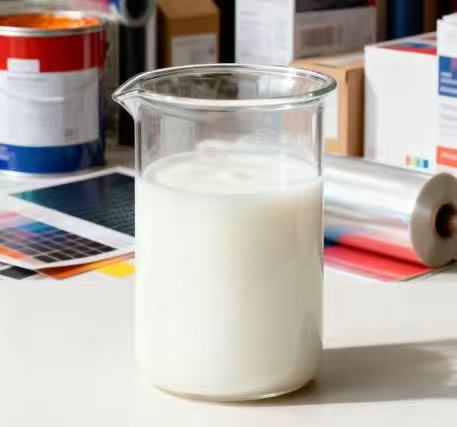
At its core waterborne acrylic emulsion is a stable dispersion of acrylic polymers in water created through emulsion polymerization. The process involves combining acrylic monomers such as methyl methacrylate butyl acrylate and acrylic acid with water surfactants and initiators. This results in a milky white liquid that dries to form a durable flexible film when applied to substrates. What sets it apart is its low VOC (Volatile Organic Compound) content – a critical factor in reducing environmental impact and ensuring workplace safety. Unlike solvent-based products which release harmful fumes waterborne acrylic emulsions are non-flammable low-odor and compliant with global environmental regulations making them ideal for eco-conscious projects.
Key Performance Attributes
Beyond sustainability waterborne acrylic emulsion boasts an impressive set of performance attributes. It offers excellent adhesion to a variety of substrates including wood metal concrete plastic and textiles ensuring long-lasting bonds and coatings. The dried film exhibits resistance to water UV radiation chemicals and abrasion making it suitable for both indoor and outdoor use. Additionally its adjustable viscosity and film-forming properties allow for customization – from thin protective coatings to thick adhesive layers – catering to diverse application needs. Whether you need flexibility for moving parts or rigidity for structural components waterborne acrylic emulsion can be formulated to meet specific requirements.
Wide-Ranging Industrial Applications
The applications of waterborne acrylic emulsion are virtually limitless spanning multiple industries.
Construction Sector
In the construction industry it is a key ingredient in interior and exterior paints primers and sealants. Its ability to withstand weathering and adhere to porous surfaces like concrete makes it a staple for building exteriors while its low odor and fast drying time suit indoor painting projects.
Automotive Industry
In the automotive sector it is used in primers clear coats and interior trims offering corrosion resistance and a smooth finish that enhances vehicle aesthetics and durability.
Adhesives and Sealants
For adhesives and sealants waterborne acrylic emulsion shines in packaging woodworking and textile bonding. It provides strong yet flexible bonds that withstand temperature changes and mechanical stress making it perfect for laminating paperboards assembling furniture and attaching fabric layers.
Textile Industry
In the textile industry it acts as a coating or binder for fabrics enhancing durability wrinkle resistance and water repellency – think performance sportswear or outdoor gear that maintains functionality even with frequent use.
Household Products
Even in household products waterborne acrylic emulsion plays a role. It is found in floor polishes leather conditioners and wall paints offering long-lasting protection and aesthetic appeal. Its compatibility with pigments also allows for a wide range of color options giving designers and manufacturers creative freedom.
How to Choose the Right Product
Substrate compatibility: Select formulations optimized for wood, metal, textiles, or other target materials.
Performance needs: Prioritize flexibility, adhesion, or resistance to UV/chemicals based on application.
Environmental compliance: Look for low VOC levels and region-specific certifications.
Application method: Match viscosity, drying time, and film thickness to spraying, brushing, or rolling.
Future Trends
Demand is rising as industries prioritize sustainability—innovations include self-healing coatings, antimicrobial additives, improved UV resistance, and bio-based formulations to reduce environmental impact.
Summary
Waterborne acrylic emulsion is a sustainable, high-performance material that redefines possibilities across coatings, adhesives, and specialty chemicals. Its core strengths—low VOCs, versatile adhesion, and customizable performance—make it indispensable in construction, automotive, textiles, and household products. By aligning with environmental regulations and evolving industrial needs, it continues to be a top choice for professionals and enthusiasts alike, with future innovations set to enhance its eco-friendliness and functionality further.
As a National High - tech Enterprise , we own brands like RHERI is popular in domestic markets China,but also our high - quality products have won overseas customer trust like Southeast Asia, the Middle East, South America, Africa and North America.









 Network Supported