Waterborne Acrylic Emulsion Sustainable Barrier Solution for Food Contact Packaging
Dec 23, 2025
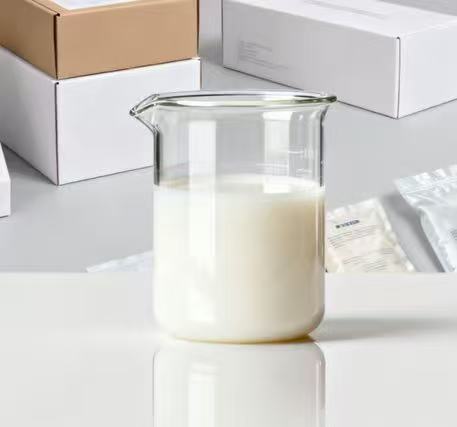
Waterborne acrylic emulsion has emerged as a cornerstone in modern coating technologies, celebrated for its low VOC emissions, environmental friendliness, and versatile performance. Unlike solvent-based alternatives, this water-dispersed polymer system relies on water as the primary carrier, making it compliant with global sustainability regulations while delivering exceptional adhesion, flexibility, and durability. Composed of acrylic monomers polymerized in an aqueous phase, waterborne acrylic emulsion forms a continuous, uniform film when dried—properties that make it indispensable in packaging applications, where barrier protection is non-negotiable.
Why Barrier Performance Matters in Packaging
Packaging’s core mission extends beyond containment: it must shield contents from external threats that compromise quality, safety, and shelf life. For food, pharmaceuticals, cosmetics, and industrial products, the key enemies are oxygen, moisture, grease, and volatile substances. Oxygen triggers oxidation, moisture leads to spoilage or texture degradation, and grease migration ruins packaging integrity. Waterborne acrylic emulsion addresses these challenges by forming a barrier layer that minimizes permeation, ensuring products retain their freshness, efficacy, and appearance from production to consumption.
Key Barrier Properties of Waterborne Acrylic Emulsion
Waterborne acrylic emulsion’s barrier capabilities stem from its unique film structure and chemical composition, offering tailored protection for diverse packaging needs:
• Oxygen Barrier: The dense, crosslinked polymer network of waterborne acrylic emulsion restricts oxygen diffusion, critical for extending the shelf life of oxygen-sensitive products like processed meats, baked goods, and vitamins. Modified formulations can further enhance oxygen resistance.
• Moisture Resistance: When cured, waterborne acrylic emulsion films exhibit low water vapor transmission rate, preventing moisture absorption or loss. This is vital for dried foods, electronics, and pharmaceuticals that require strict humidity control.
• Grease & Chemical Resistance: Acrylic polymers inherently repel oils, fats, and mild chemicals, making waterborne acrylic emulsion ideal for packaging greasy foods or industrial materials that may interact with the container. The emulsion’s adjustable crosslink density allows customization for high-demand chemical resistance.
• Mechanical Durability: Beyond barrier functions, waterborne acrylic emulsion films offer flexibility and scratch resistance, ensuring packaging maintains its integrity during handling, transportation, and storage—even in harsh conditions.
Applications
Waterborne acrylic emulsion’s versatility makes it a top choice across multiple food barrier coating sectors, each leveraging its barrier properties for specific needs:
• Food Packaging: Coated on paperboards to prevent grease bleed-through and moisture absorption; used in flexible films to block oxygen and extend freshness; applied to metal cans for corrosion resistance and food safety.
• Pharmaceutical Packaging: Formulated into blister pack coatings to protect pills and capsules from moisture and oxygen, preserving their potency. Waterborne acrylic emulsion’s low toxicity and compliance with pharmaceutical regulations make it a safe alternative to solvent-based coatings.
• Cosmetic & Personal Care Packaging: Coated on plastic bottles, tubes, and jars to prevent ingredient degradation (e.g., oxidation of oils in lotions) and maintain product consistency. The emulsion’s transparency also preserves the packaging’s aesthetic appeal.
• Industrial Packaging: Used for coating cardboard drums, plastic containers, and flexible packaging for chemicals, lubricants, and adhesives. Its chemical resistance and moisture barrier prevent product leakage and contamination.
Conclusion
As the packaging industry shifts toward sustainability without sacrificing protection, waterborne acrylic emulsion stands out as a game-changer. Its exceptional barrier properties, low environmental impact, and versatility make it the go-to coating for safeguarding products across sectors. Whether extending the shelf life of food, preserving pharmaceutical efficacy, or ensuring industrial product integrity, waterborne acrylic emulsion proves that sustainability and performance can go hand in hand. As formulation technologies advance, we can expect even more innovative waterborne acrylic emulsion-based solutions to meet the evolving demands of barrier packaging—solidifying its role as an essential component of modern packaging systems.









 Network Supported